
India’s growing optimism around artificial intelligence, appetite for learning and rising entrepreneurial culture are making it an increasingly distinctive market for LinkedIn. For Nicole Leverich, chief communications officer at LinkedIn, these trends are also offering clues about how professional communication is evolving globally.
“Elsewhere, there’s more fear and concern about job displacement. There is certainly some anxiety in India too, but the level of optimism is unmatched,” Leverich tells afaqs! in an exclusive conversation during her India visit for the opening of LinkedIn’s new Bengaluru office.
The optimism is reflected in how Indians use the platform.
India consumes 50% more learning content on LinkedIn than any other market, according to Leverich. The number of people adding “founder” to their LinkedIn profiles has grown 104% in India, compared with 60% globally. Video is another area showing strong momentum, with the amount of content shared in video format growing 60% year-on-year in India.
For LinkedIn, these are not merely numbers. They are shaping how the company communicates with its members and how it thinks about the future of professional communication.
India’s AI opportunity
The difference in sentiment around AI has direct implications for LinkedIn’s communications strategy.
“When we introduce an AI tool or product in a market where there’s a lot of fear and scepticism, we have to soften the message. The tool doesn’t change; it’s how we approach and communicate it,” says Leverich.
India allows the company to take a different approach. With professionals actively looking to understand AI and acquire new skills, LinkedIn can lead with opportunity rather than anxiety.
That means focusing communications on practical guidance rather than AI as an abstract technology. What skills should professionals learn? How can they use AI? How can they remain relevant as the workplace changes?
The same appetite for practical information is visible in the rise of founders on the platform.
“Founders have very different information needs. They’re not necessarily looking for abstract advice. They want practical information that can help them solve the specific problem in front of them,” she says.
That is changing the content ecosystem on LinkedIn, as more users come to the platform not just to find jobs or network, but to learn, seek advice, hire people, build businesses and find connections.
A global story with a local layer
For a communications leader overseeing a platform with more than 1.3 billion members across more than 200 countries, the challenge is to maintain a consistent global identity without sounding generic.
Leverich describes LinkedIn’s approach as a “70/30 rule”. Roughly 70% of what the company communicates remains globally consistent, including the product, core message and overall objective. The remaining 30% is how that story is told in an individual market.
“The 30% is how we communicate around it, and that is very specific to the market,” she says.
/filters:format(webp)/afaqs/media/media_files/2026/08/29/linkedin-logo-at-the-newly-opened-bangalore-office-2026-08-29-22-55-32.jpeg)
A case in point is the LinkedIn logo at the newly opened Bangalore office. The ‘In’ at the office entry is composed of Indian artwork and design to represent the country.
Language is another example. While LinkedIn offers multiple language options in India, English continues to dominate usage, particularly as professionals in Tier 2 and Tier 3 cities seek to participate in the wider global professional community.
For Leverich, localisation is ultimately about meeting audiences where they are while retaining the core identity of the company.
The rise of the authentic executive
The India trends also feed into a larger shift in corporate communications. As AI makes it easier to produce polished content at scale and audiences face an unprecedented volume of information, Leverich believes the individual voice is becoming more valuable.
“People don’t want to hear from an anonymous corporate statement. They want to hear from the person making the decision,” says Leverich, who reports directly to LinkedIn CEO Dan Shapiro and is a member of the company’s executive team.
That is helping drive the rise of CEOs and founders as communicators.
The traditional model of executive communication was often built around announcing achievements. Today, audiences increasingly want to understand the journey behind those achievements, including the uncertainty and mistakes.
“People don’t just want to hear, ‘I built an amazing company.’ They want to see the messy parts of the journey and experience it alongside the leader.”
For communicators, this means the CEO can no longer simply be the face attached to a corporate announcement. Executives can become ongoing sources of expertise, perspective and conversation.
And LinkedIn, she argues, gives them a direct line to a professional audience.
/filters:format(webp)/afaqs/media/media_files/2026/08/29/linkedin-stats-2026-08-29-22-56-37.png)
Creators are changing influence
The same shift is visible in the rise of professional creators.
Leverich draws a parallel with the technology bloggers who emerged early in her career. Communicators once had to figure out which bloggers mattered, understand their audiences and build relationships with them. Today, creators play a similar role.
“There are so many influential creators with highly specific audiences who actively choose to follow and engage with them,” she says. “They also have incredible credibility with those audiences.”
The opportunity for brands is not simply to send products to creators and hope for coverage. It is to identify the right creators and genuinely work with them.
“If they believe in what you’re doing and choose to share it with their audience, that can lend a company far more credibility,” she says.
This is increasingly blurring the lines between corporate communications, executive communications, employee advocacy and creator marketing.
AI changes the tools, not the job
Leverich has spent 25 years in communications and has seen several such transitions. When she began her career, the press release was the primary corporate communications tool. Then came blogs, followed by social media.
Her point is that communicators can easily become consumed by the idea that each new technological shift is unprecedented.
“We can get very caught up in the idea that the current moment is unlike anything we’ve seen before,” she says. “But we’ve been through major shifts before.”
AI will change the skills communicators need, she believes. But it will not eliminate the function itself.
“The skills a communications professional needs five years from now may be 70% different from the skills they need today. What doesn’t change is storytelling,” she says.
In a world of perfect content, humans stand out
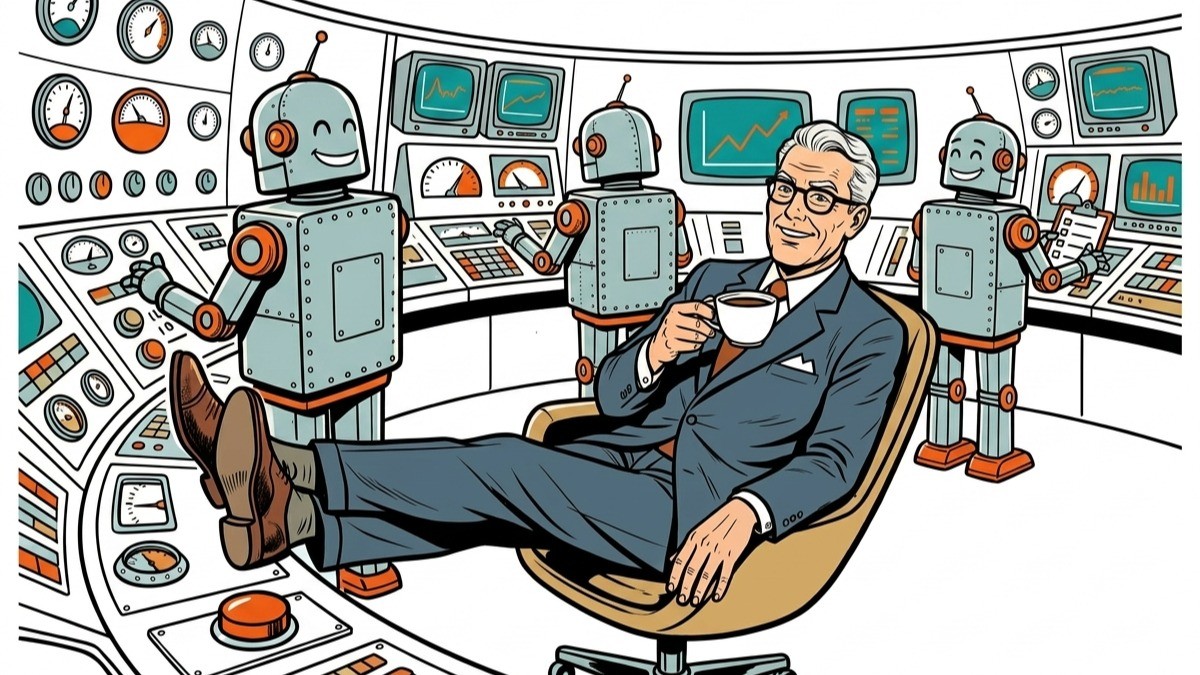
The human element is becoming more important as AI-generated content becomes increasingly polished.
Leverich believes communicators may need to rethink their traditional obsession with perfection. When audiences are surrounded by perfectly constructed content, small imperfections can actually make communication feel more human.
She recalls speaking to a well-known podcaster who found that deliberately introducing small errors, such as a typo or an extra space, into LinkedIn posts generated higher engagement.
The reason is simple, she suggests. Humans make mistakes. AI does not have to.
“AI is beautiful, polished and perfect,” she says.
Trust is earned every day
The growing importance of authentic voices is also linked to a broader challenge: trust.
Leverich believes companies have to earn trust through transparency and consistency. She cites a definition from a former LinkedIn CEO that has stayed with her: “Trust is consistency over time.”
LinkedIn’s verification feature is one way the platform is trying to give members greater confidence about who they are communicating with. But for Leverich, technology is only part of the answer. The bigger shift is towards people taking responsibility for the messages they put into the world.
That is why she believes CEOs and communicators need to speak directly to their audiences.
As communications continue to evolve, her advice to professionals is straightforward: learn, adapt and keep growing.










Leave a Reply