
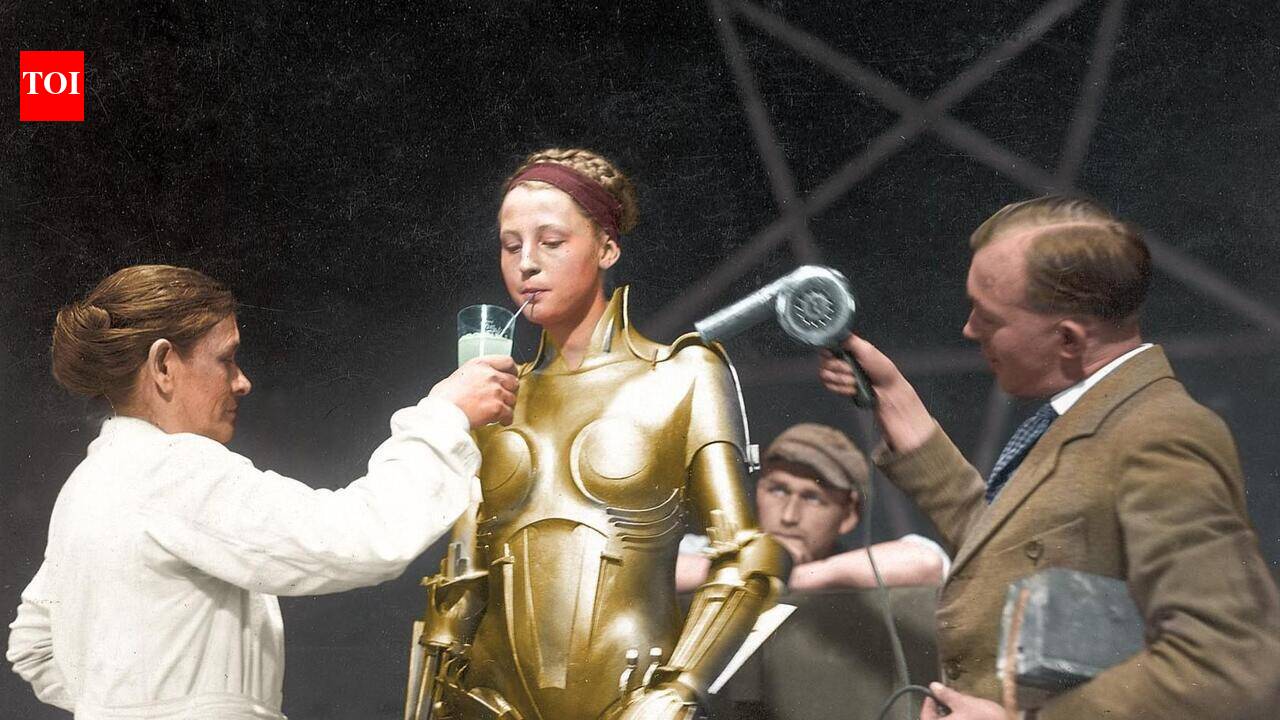
Pune: Three decades before computer scientist John McCarthy coined the term “artificial intelligence”, the world was introduced to AI — or the idea of it, at least.Austro-German director Fritz Lang’s seminal 1927 silent film, Metropolis, based on a screenplay and novel written by his wife, Thea von Harbou, featured a humanoid robot called Maria, which marked the first cinematic portrayal of a machine with human-like intelligence and autonomy and laid the groundwork for future representations of AI on film.Metropolis heavily influenced Stanley Kubrick’s 1968 phenomenon, 2001: A Space Odyssey, which was arguably the first look at a sentient machine for millions of moviegoers worldwide.Metropolis’s underlying themes — a dystopian society and the increasing reliance of humanity on technology — had an immeasurable impact on the science fiction genre.The Plot: Metropolis tells a simple tale. In a towering city of the future, the rich live in luxury high above ground, while workers toil in its oppressive depths. Freder, son of the city’s powerful ruler, finds this hidden world and is shaken by the suffering he sees.There, he meets Maria, a kind and courageous woman who gives the workers hope and urges them to seek change through peace. Moved, Freder joins their cause, turning against his own father.Fearing revolution, his father turns to an inventor who creates a lifelike robot that exactly resembles Maria.Robot Maria’s portrayal is equal parts iconic and unsettling. Programmed to destroy trust in the real Maria, the robot seduces, manipulates, and incites rebellion. Her fiery speeches push the workers — unaware they are following a machine and not the woman they revere — into a violent uprising.Cold, cunning, and eerily human, robot Maria is a symbol of deception and the dark potential of technology when stripped of morality: a precursor to HAL 9000 from Kubrick’s 2001… or the eponymous Terminator.










Leave a Reply