
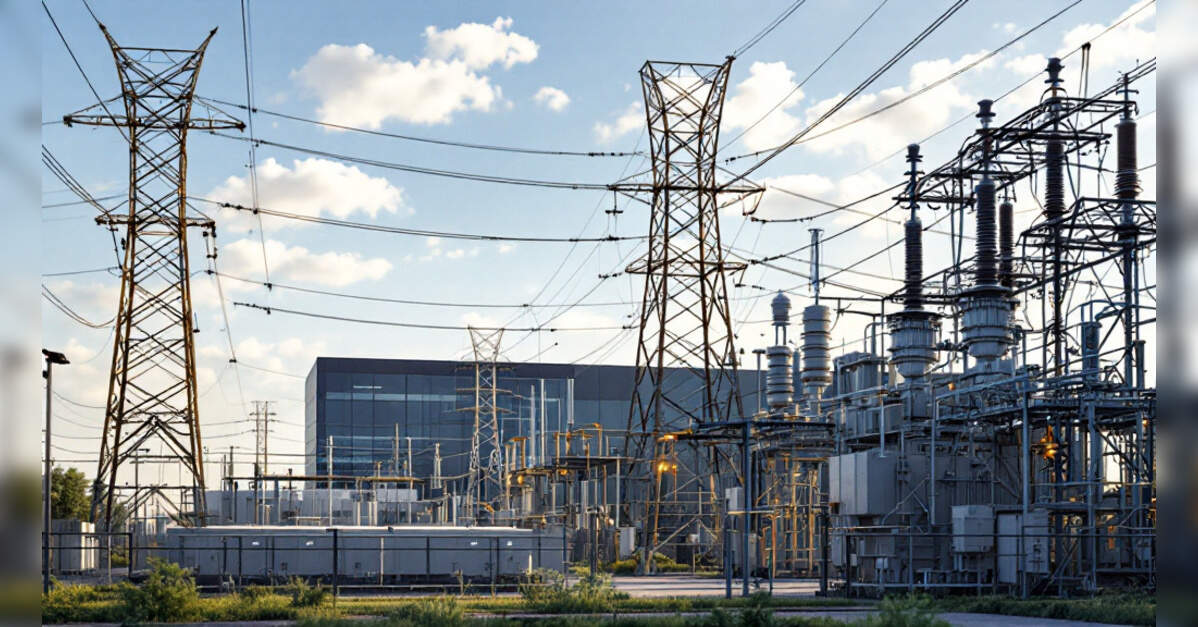
Artificial intelligence (AI) demand and data centre expansion are significantly reshaping global power markets, making grid access a central factor in project viability, according to a JLL analysis. The report highlights a sharp rise in electricity demand after years of relative stability or decline, with data centre growth emerging as a major driver across the United States, Europe, and Asia Pacific.In the Asia Pacific region, data centre capacity is projected to increase from 32GW to 57GW by 2030, while global capacity could reach 200GW over the same period. This rapid growth is colliding with existing grid systems that were built for large, centralised power stations rather than a faster-growing, more dispersed mix of renewable generation and large-scale computing facilities. In several markets, connection queues for new projects now extend to four years or longer, with some regions pausing new connections entirely.
Grid Congestion Impacts Valuation
This pressure is elevating the importance of transmission access in energy, property, and digital infrastructure deals. Investors are now placing greater weight on whether an asset already possesses a connection or has a credible path to securing one, effectively transforming power access from an operational issue into a valuation question.Hyperscale technology companies are also increasing their spending on cloud and AI infrastructure. JLL noted that hyperscalers had announced USD 200 billion in infrastructure spending for 2026, marking a 51% increase from 2025.The trends exhibit regional variations. In the United States, interconnection reform and exposure to merchant power markets are altering deal structures. In Europe, regulatory changes are progressing at different speeds across countries. In Asia Pacific, the pace of data centre construction is outstripping grid planning in several markets.Steven Jack, Head of Energy and Infrastructure Advisory, EMEA, at JLL, commented on the scale of this shift. “We’ve seen a generational shift in power demand as a result of data centres and AI,” Jack said. “Utilities that were forecasting modest growth are now grappling with figures nearly double their previous estimates. For any energy developer, without a grid connection, you don’t have a project.”
Battery Storage and Innovative Models
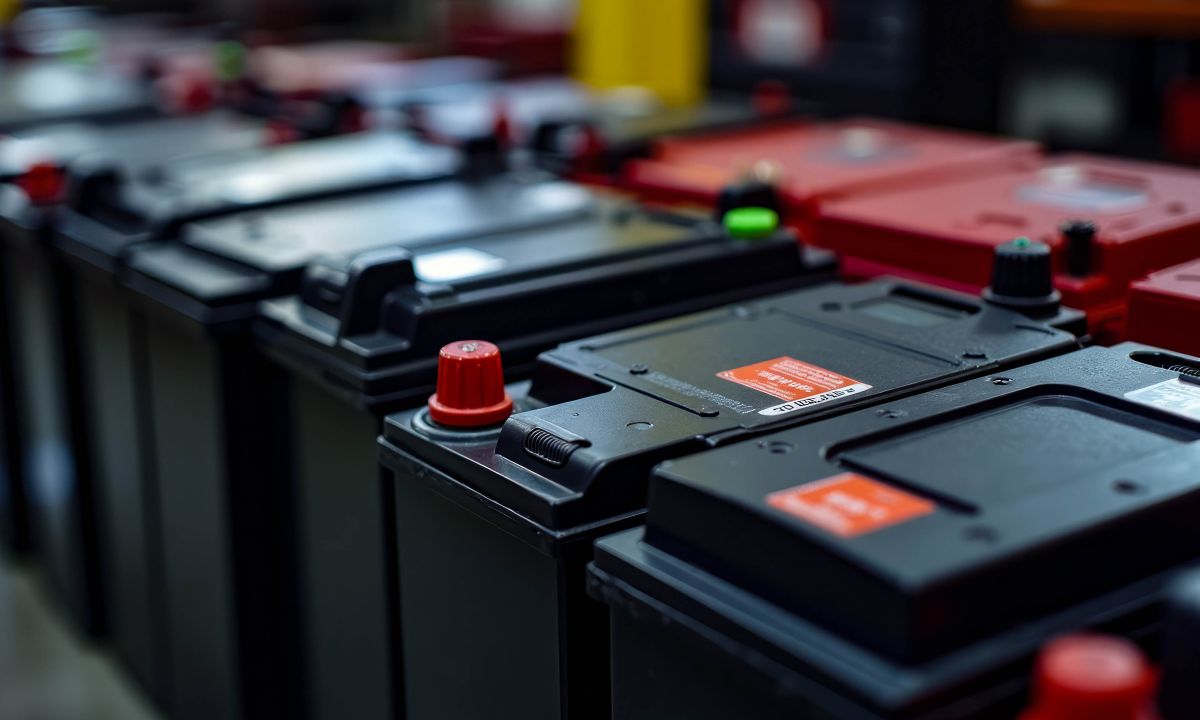
Battery energy storage systems (BESS) are gaining prominence as developers and investors seek solutions to manage intermittency, reduce stress on constrained grids, and enhance the economics of renewable supply. Their growth reflects a broader effort to build more flexibility into power systems as data centre demand escalates.Matt Eastwick, Group Head and Senior Managing Director, Energy and Infrastructure Advisory, U.S., at JLL, emphasised the role of batteries. “Batteries are a very important component and asset in that balancing act,” Eastwick said. “They act as shock absorbers for constrained grids, charging when power is cheap and abundant, then discharging when demand and price are high.”Grid bottlenecks are also changing the relationship between energy producers and major electricity users. Large technology groups are increasingly taking a direct role in securing generation, including through purchases of operating renewable assets, to mitigate reliance on uncertain connection timelines and wholesale market volatility.In Asia Pacific, investors are increasingly considering grid status and location as the primary point of due diligence for development assets, particularly in liberalised electricity markets. JLL identified Australia, India, Japan, and the Philippines as examples where connection status can significantly affect valuation.James Cameron, Head of Energy and Infrastructure, APAC, at JLL, noted new deal structures emerging in the region. “In liberalised markets in Asia Pacific, such as Australia, India, Japan and the Philippines, status and location of grid connection is the first question for investors and has the largest valuation impact for development assets,” Cameron said. “In Australia, we’re seeing a range of innovative models, from joint ventures to the inclusion of batteries in data centre design to facilitate grid connection.”










Leave a Reply