
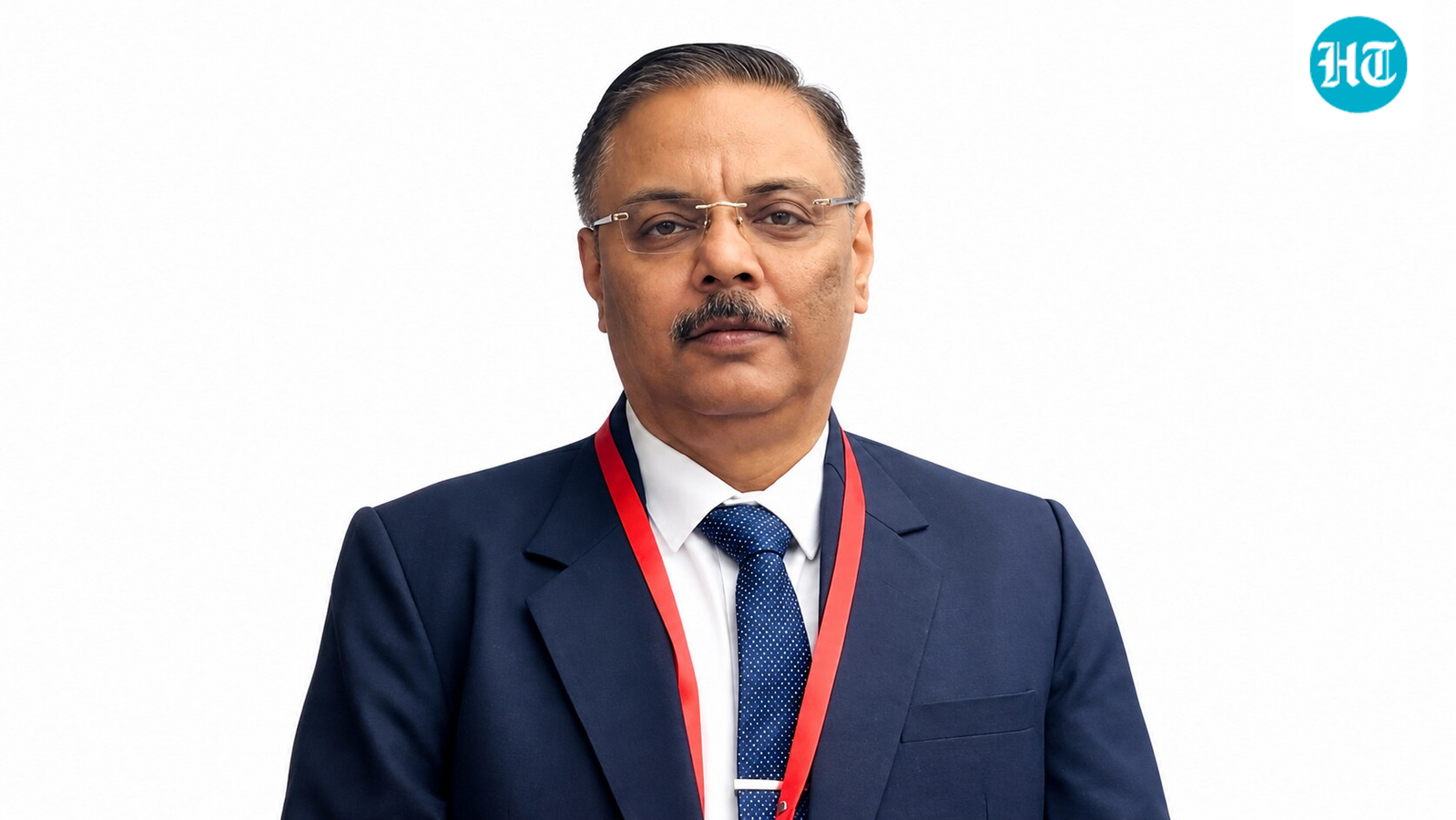
The Central Drugs Standard Control Organisation (CDSCO) has formed an expert committee on artificial intelligence (AI), Drugs Controller General of India (DCGI) Rajeev Singh Raghuvanshi said on September 18. CDSCO has not published an order constituting the committee, a member list, terms of reference or a timeline.
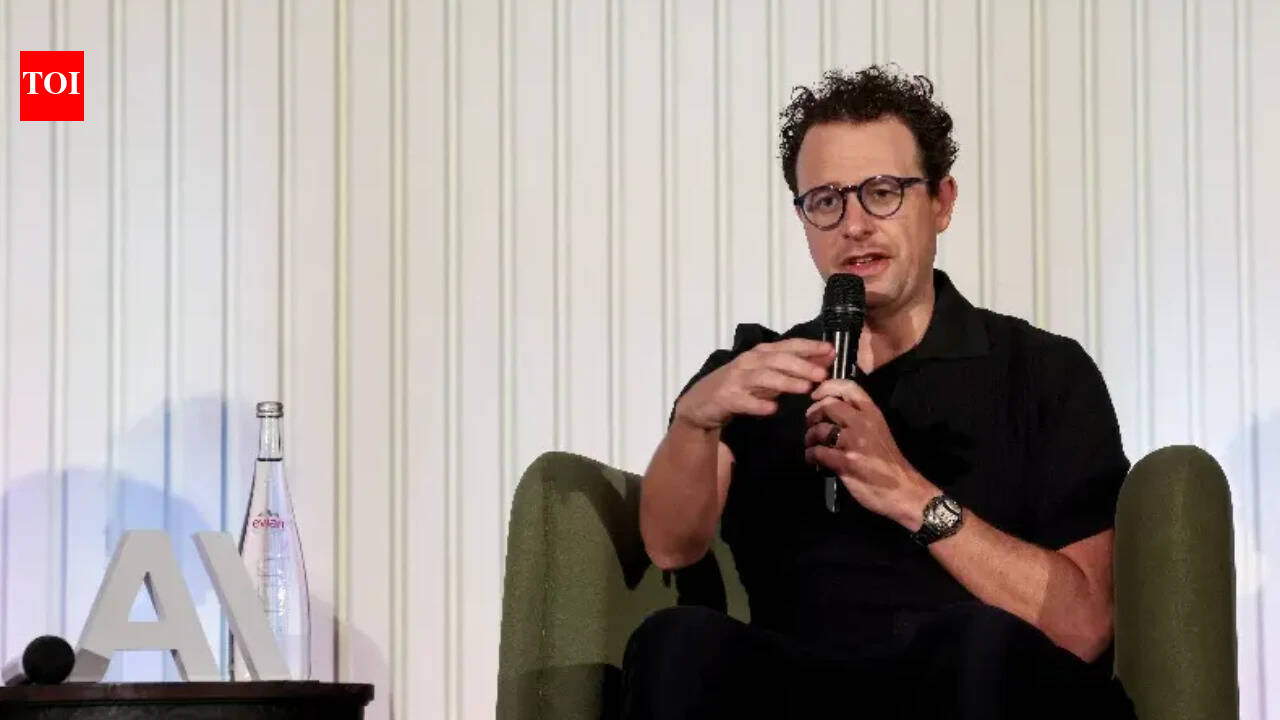
“Regulation of AI in healthcare is a subject that is being discussed by all agencies globally,” Raghuvanshi said at the 8th Confederation of Indian Industry (CII) Pharma and Lifesciences Summit in New Delhi, according to Business Standard. He added that the committee includes AI experts and that its discussions cover how to evaluate, approve and regulate AI in drug discovery, the report said.
CII has not published a recording of the session, so MediaNama could not verify Raghuvanshi’s full remarks. The quotes from the summit in this story come from Business Standard and Asian News International (ANI) (ANI).
No public record of the committee: As of September 21, CDSCO’s committees page, its advisories and orders page and its homepage carry no notice of the committee. The latest upload to the committees page is a Drugs Technical Advisory Board (DTAB) sub-committee report released on July 21. MediaNama could not find a Press Information Bureau (PIB) release on the committee.
August reply to Parliament did not mention it: On August 4, Sanjay Kumar Jha, a Member of Parliament, asked in a starred question “whether it is a fact that while AI can significantly improve speed and efficiency, increasing reliance on AI-driven recommendations in critical decision-making could risk reduced human oversight, especially in matters concerning the safety, efficacy and approval of medicines.”
Union Minister JP Nadda replied, “The Central Drugs Standard Control Organisation has not adopted AI for regulatory approvals. Regulatory decisions relating to clinical trials continue to be based on established scientific and technical review, including scrutiny by the Subject Expert Committee (SEC) which are adequate to address concerns of safety, efficacy and regulatory accountability.” The reply made no mention of an AI committee.
What the committee could cover:
- Drug discovery: A discovery-focused committee would reach pharmaceutical research and development (R&D) teams, AI drug discovery startups and contract research organisations (CROs). Projects using AI in drug discovery are eligible for funding under the Promotion of Research and Innovation in the Pharma-MedTech Sector (PRIP) scheme, the government told Parliament. At the summit, Raghuvanshi said, “Freeing up R&D from any permissions from the regulators is a big change,” according to ANI. The United States Food and Drug Administration (FDA) leaves AI in drug discovery out of its January 2025 draft guidance. That guidance covers AI used to produce data for decisions on the safety, effectiveness or quality of drugs.
- Medical devices: CDSCO already regulates AI-enabled medical software. Its final guidance on medical device software under the Medical Devices Rules, 2017 (MDR) requires developers to disclose how their AI models work and the datasets used to train and test them. Developers must explain how they address bias, lack of explainability, model drift and hallucinations, and monitor their systems after launch. Where needed, they must justify whether models trained outside India are suitable for Indian clinical settings. CDSCO issued the draft on October 21, 2025.
- Diagnosis and consumer-facing AI: At the third edition of the Indian Institute of Management Ahmedabad (IIMA) Healthcare Summit, Raghuvanshi asked who bears responsibility when an AI app dictates a patient’s treatment without a doctor, Chem Indigest reported. He called the unchecked use of AI in medical advice “frightening” and said AI models change behaviour as they process more data, according to Whalesbook.
Where the committee fits:
- Health Ministry strategy: On February 17, the Ministry of Health and Family Welfare, CDSCO’s parent ministry, launched the Strategy for Artificial Intelligence in Healthcare for India (SAHI). SAHI recommends classifying health AI by risk, monitoring AI tools after launch and building AI capacity within regulators. It also recommends dedicated AI units within health institutions and coordination across health, technology, legal and regulatory bodies to avoid duplication.
- Testing platform: Alongside SAHI, the ministry launched the Benchmarking Open Data Platform for Health AI (BODH), which tests AI models for performance and bias before deployment.
- Existing research rules: The Indian Council of Medical Research (ICMR) issued ethical guidelines for AI in biomedical research and healthcare in 2023.
- National AI body: The Ministry of Electronics and Information Technology (MeitY) formed the AI Governance and Economic Group (AIGEG) on April 13, supported by a Technology and Policy Expert Committee. AIGEG has no member from the health ministry. It excludes ICMR, which MeitY’s own AI governance guidelines had recommended including.
What industry is asking for: A September 2026 report by CII and EY-Parthenon calls for principles on responsible AI and for validating AI systems used in regulated pharma work by 2030. It also recommends “regulatory sandboxes” for AI-enabled innovations, which would let companies test new products under supervised, relaxed rules. Indian pharma companies anchor their use of AI in regulatory work on the FDA’s January 2025 draft guidance, the report says. It does not mention CDSCO’s committee or its software guidance.
CDSCO’s own use of AI:
- February: Raghuvanshi told Reuters that CDSCO is piloting AI to review applications.
- April: IndiaAI and CDSCO launched a hackathon for tools that anonymise data and summarise SUGAM portal applications and serious adverse event (SAE) narratives.
- July: At the Global Drug Regulatory Conclave, Raghuvanshi said CDSCO is piloting AI across regulatory processes. He put the first phase of an end-to-end digital regulatory platform 18 months away.
- September: “Today, most of the regulatory systems in India are completely digital, which is a big change in the mindset,” Raghuvanshi said at the summit, according to ANI. On the Digital Drugs Regulatory System (DDRS), he said, “12 companies had bid for developing the system. The technical presentations are over, and the financial viability will be checked within the next seven to ten days,” according to Business Standard. CDSCO aims to start the system within a month, and industry will see AI interventions and data analytics that help the regulator with internal processes, he said.
Unanswered questions:
- Who sits on the committee, and who chairs it?
- When did CDSCO constitute it, and through which order?
- Is it a statutory body, like DTAB under the Drugs and Cosmetics Act, 1940, or an advisory committee?
- Does its remit cover drug discovery alone, or also clinical trials, diagnostics and medical devices?
- How will its work relate to the medical device software guidance, SAHI and ICMR’s AI guidelines?
- Will it address the validation principles and regulatory sandboxes industry has asked for?
- How will it coordinate with AIGEG and the Department of Pharmaceuticals?
- When will it report, and will CDSCO put its recommendations out for public consultation?
MediaNama will file a Right to Information (RTI) request with CDSCO seeking the order constituting the committee, its members, terms of reference and meeting records.
Also read:





Leave a Reply