
4 min readSep 30, 2026 11:35 AM IST
First published on: Sep 30, 2026 at 11:35 AM IST
By Malish C M
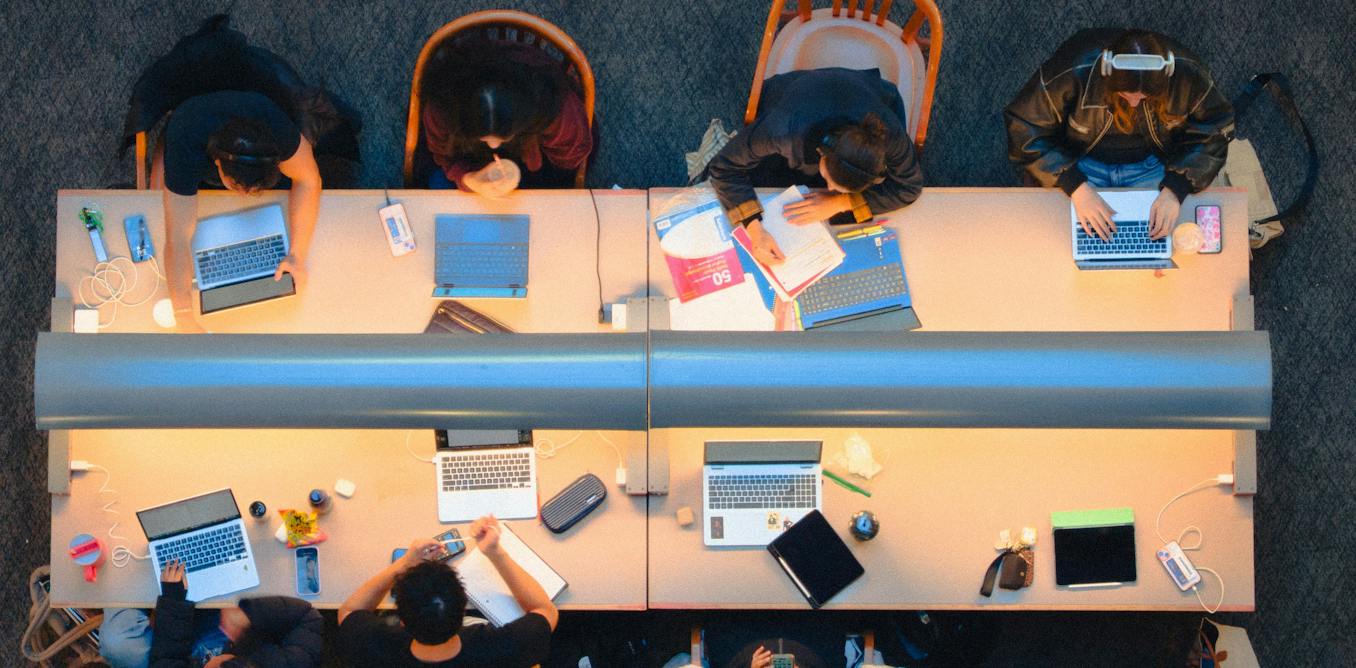
Recently, exams have become the centre of public attention. The role of technology has emerged as both a problem and a solution. Drawing on the educational philosophy of Rabindranath Tagore, this article re-examines the very notion of “exams” in the Indian education system. In one of his writings on education, Tagore asks, “For what else but can we call the filching of a degree by memorising a book without understanding its contents; how is that any better than carrying the book itself into the examination hall, hidden in one’s clothes?” The criticism raised by Tagore seems more relevant in the current context than when he wrote it.

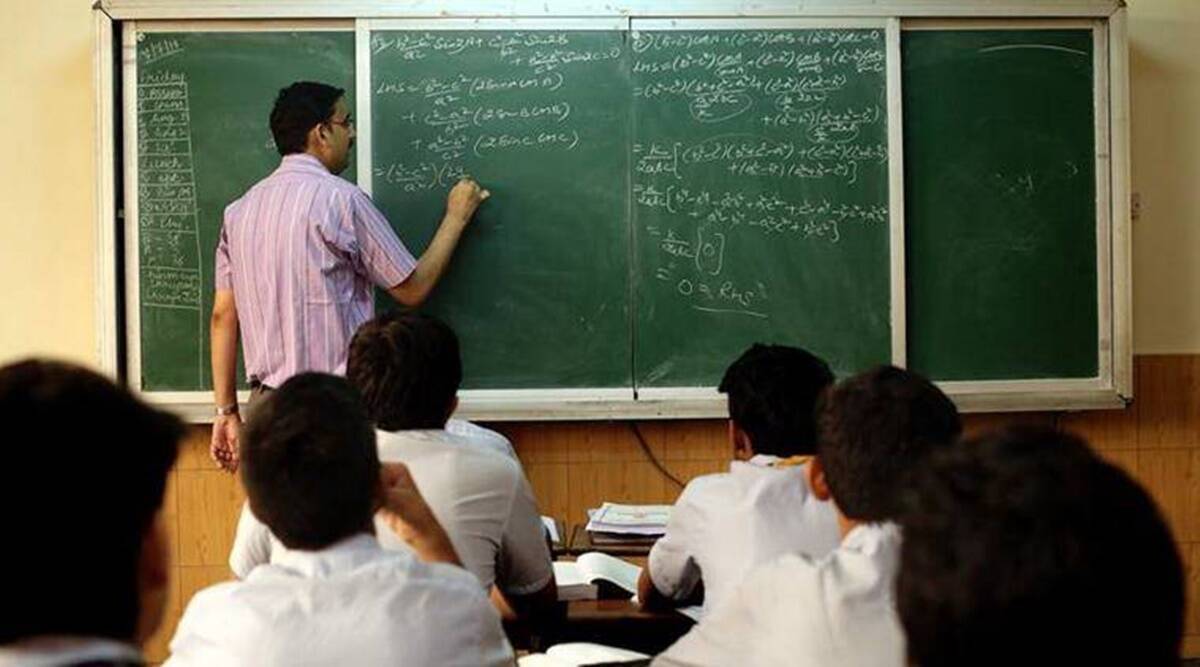
This generation is witness to a massive transformation in education like few others. It is difficult to single out one factor — whether social, economic, technological, cultural or political — as the sole driver of this transformation. The change is visible in all domains, including syllabi, classrooms, teaching, technology, mode of delivery (in-class/online), physical infrastructure, libraries, and aspirations and the background of students. However, the examination system has not undergone significant changes. The foundational logic and structure of the examination — seeking a definitive single answer — did not undergo much change.
John Dewey, a pioneer of progressive education in the US, said the “static, cold-storage ideal of knowledge is inimical to educative development. It not only lets occasions for thinking go unused, but it swamps thinking.” Much later, during the mid-20th century, Benjamin Bloom’s taxonomy suggested a hierarchy of learning: Remember or recollect, understand, apply, analyse, evaluate and create.
Every teacher must aspire to provide the highest level of learning. Many of the exams in Indian higher education fall under the lowest category in Bloom’s hierarchy of learning: Remember and recollect.
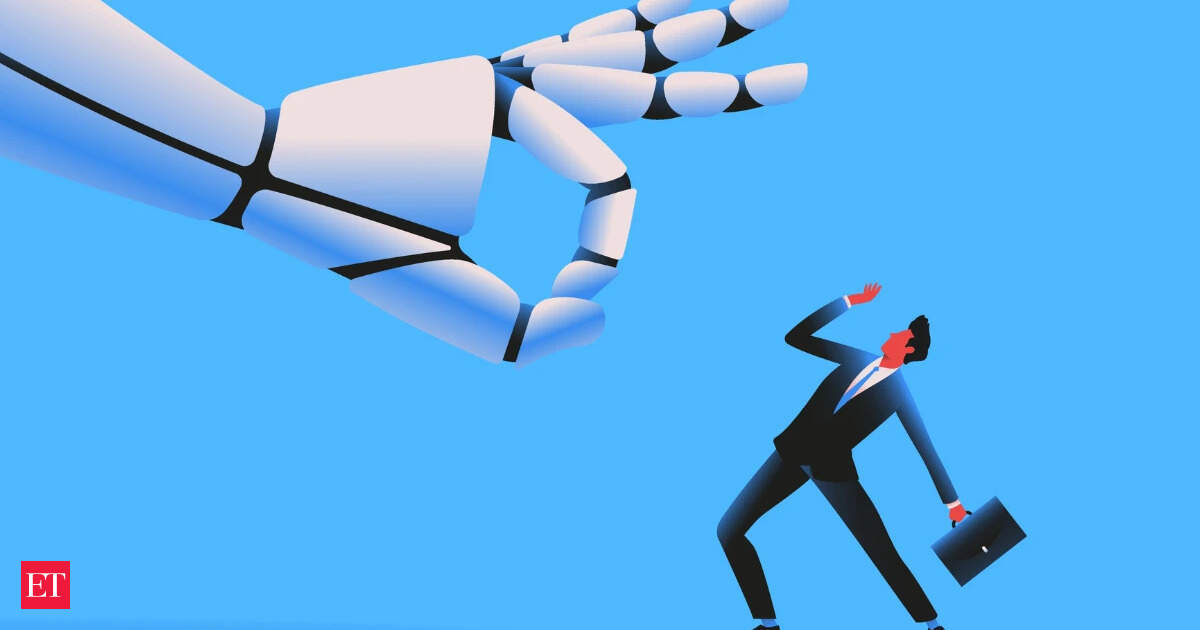
With the technological revolution, a new generation approaching an exam has easy access to an abundance of information. The size of gadgets used to store (or hide) information is often invisible to the invigilator’s naked eye. The latest developments in Artificial Intelligence (AI) open up a new Pandora’s box. A surgical process can even implant a tool (neural implants) inside the human brain to assist cognition. Surveillance technology lags behind the growth of such storage and assistive devices. The question is not about whether technological development or growth is desirable or not, but as a teacher and writer, how am I going to grapple with new technology? Should I rely on more advanced technology for detecting devices carried by students? Would physical frisking before the examination be meaningful in the future, when neural implants are easily available?
The National Education Policy 2020 underscored the significance of moving “away from high-stakes examinations towards more continuous and comprehensive evaluation.” Translating the policy vision of continuous and comprehensive evaluation is easier said than done.
The thoughts of Tagore and Dewey that education is not a means to an end, but an end in itself, provoke me to rethink what I do as a teacher. Do I really rethink the questions I ask in the exam? How can I ask questions focusing on understanding, analysis, evaluation and creativity rather than rote learning? I am incapable of making a definitive judgment. My critical self-examination ends with more questions than answers. Who would help me find answers to seemingly “nonsensical” questions — my own old teachers, colleagues, students, parents, employers, the state, or a chatbot?
The writer is an assistant professor at Ashank Desai Centre for Policy Studies (ADCPS), Indian Institute of Technology (IIT) Bombay. Views are personal



Leave a Reply