
As AI increasingly becomes part of how consumers search, discover and evaluate products, brands are facing a shift in the traditional path to discovery. Search queries are becoming more conversational, consumers are packing multiple considerations into a single prompt, and AI-led interfaces are increasingly expected to provide an answer rather than simply a list of links.
For consumer packaged goods (CPG) brands, this changes how digital discoverability needs to be approached. The challenge is no longer only about ranking for a set of keywords, but about ensuring that brand-owned digital properties contain relevant, useful and comprehensive information that can address increasingly complex consumer questions.
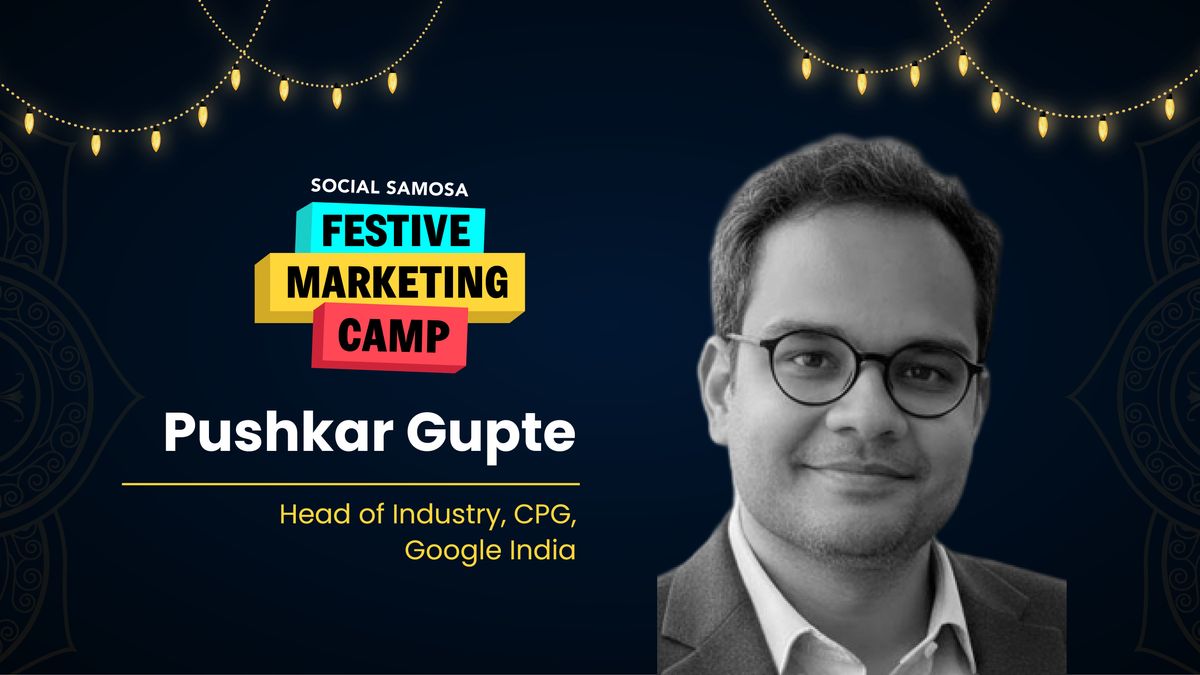
Pushkar Gupte, Head of Industry, CPG, Google India, notes that the evolution of search is changing the way consumers frame their queries, with conversational prompts replacing shorter, keyword-led searches.
“What we’ve seen is that how people search has changed with AI mode and AI platforms coming in. What used to be potentially just two or three-word phrases earlier are now very conversational in nature. And hence, even when you’re trying to look for something, you will have multiple parameters that you will put into your search query. So there is a lot of complexity which is involved there.”
While the format of search is changing, Gupte points out that the fundamental principle behind search optimisation remains the same: brands need to provide information that directly addresses what consumers are looking for.
“Our SEO principles remain firm, and essentially the main principle of answering what the consumer is searching for remains paramount. Therefore, as long as your websites or pages, have the right kind of information to answer the question which the consumer is coming in with, you should be good because the AI model eventually is going to try and answer the question which the customer is coming in with, and that is going to be very conversational in nature.”
This also means that brands may need to rethink how they structure content across their digital properties. Instead of creating content around isolated keywords, the focus could increasingly move towards addressing multiple questions and considerations within a single consumer journey.
Gupte explains that AI-led queries can combine several questions or parameters into one conversational prompt, making comprehensive content increasingly important.
“You’ll suddenly have a huge paragraph with two or three questions nested in it. So, getting the right kind of content on your properties which can help answer these questions is the right way forward.”
Beyond text, visual information is emerging as another component of AI-led discovery. For CPG brands, this places greater importance on the quality and relevance of product imagery, pack shots and other visual assets available across their digital properties.
“The more visual you make your information, it’ll work because with AI mode, people are also looking for a few visual answers. So if you have the right kind of images for your products, for your packs, for your campaigns, it’ll again help because all of this information comes into the way AI mode might answer.”
For brands with commerce-led journeys, Gupte also highlights the role of product feeds in helping AI-powered shopping experiences interpret and surface relevant products.
“If you have your merchant website, you should have the right kind of feeds which go into these products for shopping, for example, because all of this then informs the AI mode to answer it much better and surface the right kind of products.”
The changes point to a broader shift in digital discovery, where brands need to think beyond traditional keyword optimisation and consider how their entire digital presence can support an AI-generated answer. Product information, visual assets and commerce feeds can all become part of the information ecosystem that informs discovery.
For Gupte, however, the underlying principle remains relatively simple despite the growing complexity of search.
“It’s a very exciting time now with consumers asking those kinds of questions and their expectations changing drastically. But that one principle of answering what the question is remains true. As long as you do that, you should be in a good place.”











Leave a Reply