
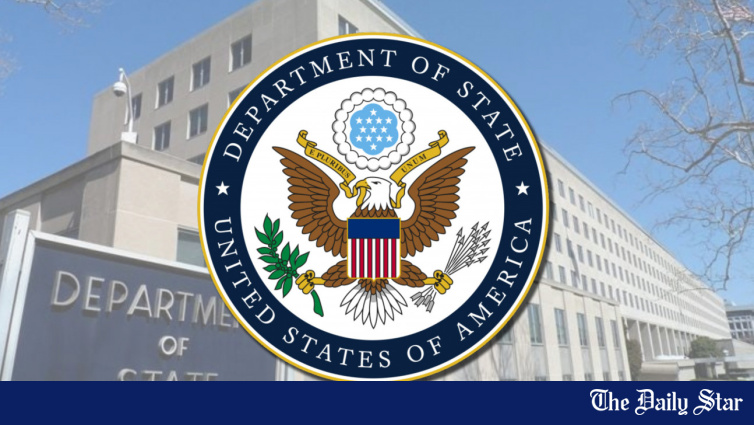
Foreign journalists applying for American visas will have their social media reviewed as part of a State Department policy going into effect on Oct. 1.
The move, announced in September, adds to a growing list of visa categories subject to the department’s “online presence review.”
All applicants for such visas are “instructed to set the privacy settings on all of their social media profiles to ‘public’ or ‘open,'” to facilitate the review, the announcement said. It added that the federal government wants to remain “vigilant” and ensure “applicants do not intend to cause harm to Americans or threaten U.S. interests.”
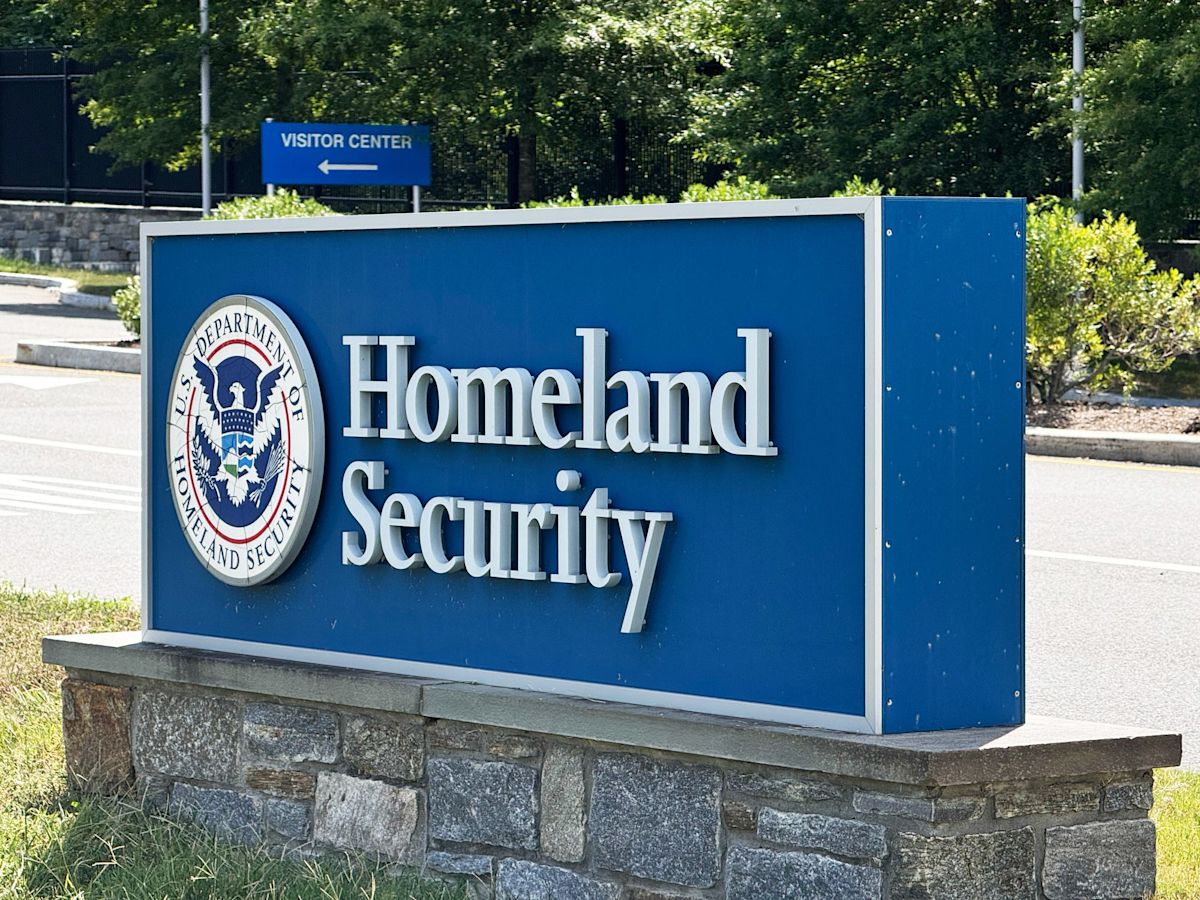
The State Department issues visas through embassies and consulates, while the Department of Homeland Security conducts further security screenings and either grants or denies entry at U.S. borders.
“Receiving a U.S. visa remains a privilege granted at the government’s discretion, not an entitlement,” the announcement of the policy change said.
Foreign students and exchange visitors were among the first to be subject to the online vetting in 2025. H-1B applicants, who work in specialty occupations and are seeking temporary entry to the United States, as well as their dependents, were added in December. The policy expanded again in March to include religious workers and assistants for foreign government officials, among others.
In addition to foreign journalists under what’s known as I visas, the new policy includes certain Canadian and Mexican professionals and their dependents.
When it comes to foreign journalists in America and many other visa-seekers, courts have historically said that First Amendment rights are applicable to people lawfully within U.S. borders, even if they aren’t American citizens. The government has far more discretion when it comes to making speech-based visa decisions about foreigners physically outside of the country.
While the Trump administration and its supporters have characterized the online screenings as a necessary tool for national security, others have expressed concern that the sweeping reviews are contributing to increasingly long backlogs and are at odds with the long tradition of press freedom and free speech in the United States.
“In order to come to the United States, they (visa applicants) undergo biometrics and criminal background checks, FBI name checks and a review by multiple agencies, so it’s unclear to us why they also need to scrutinize their thoughts and viewpoints,” Kate Angustia, supervisory policy and practice counsel at the American Immigration Lawyers Association, told USA TODAY.
A State Department spokesperson reiterated the administration’s assertion that a U.S. visa is a “privilege, not a right” in a Sept. 30 email to USA TODAY.
“The Department is constantly reviewing and evaluating screening and vetting procedures worldwide to ensure that our visa process upholds the highest standards for U.S. national security and public safety,” the spokesperson said.
Press freedom, national security concerns clash
Immigration attorney Matthew Maiona has suggested clients avoid posting “anything that could potentially be deemed offensive to the current administration” so they don’t jeopardize their ability to remain in or enter the country.
“As an American, I find it offensive,” Maiona said, citing his support for the nation’s founding principles on free speech. “As a lawyer, I think it’s the best advice you can give your client.”
Both Maiona and Angustia said they worry the lack of public information as to what online content would disqualify an applicant could lead to the system being abused.
“Without the clear, transparent standards, there’s a risk their visa decisions could be based on something very subjective,” Angustia alleged.
Ira Mehlman, media director of the Federation for American Immigration Reform, which seeks to reduce overall immigration, was skeptical of such concerns.
“In any situation, there’s a potential for abuse, but it doesn’t mean that you just throw off all the guardrails because somebody somewhere might abuse it,” Mehlman said. “You deal with it on an individual basis.”
Mehlman compared the increased vetting, and the subsequent impact on applicants, to airport security.
“Obviously it does inconvenience people, but it’s quite clear that it’s necessary and … if you failed to do that, the consequences could be quite serious,” Mehlman said.
But Angustia said the administration has not presented clear evidence that the online reviews have had a measurable impact on national security. Adding foreign journalists to the mix now, in Maiona’s view, adds press freedom concerns to the existing free speech implications of the vetting.
“That’s really a quiet assault, or maybe a not-so-quiet assault on the First Amendment,” he said.
Change comes amid broader press fights
The latest expansion to the online review policy comes amid other press fights in Washington.
President Donald Trump attempted to ban CNN, MS NOW and Politico from the White House. The news outlets sued over the ban on Sept. 21, and a federal judge granted a temporary order blocking the administration from implementing the ban for two weeks while litigation continues. They have since requested the judge extend the order as the lawsuit plays out.
The State Department’s announcement about the expanded online reviews also came days after a federal judge blocked the Department of Homeland Security from implementing new caps on visas for a number of groups, including foreign journalists and students.
Though holders of such visas have long been allowed to remain in the country for the duration of their studies or assignments, the department proposed a rule last year that limited student and exchange visas to the length of the participant’s program, with a maximum stay of four years. Journalists with the “I” visas were limited to stays of 240 days, though journalists from China were limited to 90 days.
Judge F. Dennis Saylor IV said in his Sept. 14 opinion that it was “not difficult to imagine how that system might be abused” to punish critics. He also said the limitations were “likely to be catastrophic” to the American economy and higher education system.
DHS referred USA TODAY to the State Department for comment.
BrieAnna Frank’s role covering First Amendment issues at USA TODAY is made possible by a collaboration among Freedom Forum, Journalism Funding Partners and the USA TODAY Network. Freedom Forum does not provide editorial input. Reach BrieAnna at bjfrank@usatoday.com and @brieannafrank on X and Bluesky.
This article originally appeared on USA TODAY: State Dept. now reviewing foreign reporters’ social media accounts

Leave a Reply