
As the automotive industry shifts toward AI-defined vehicles, OEMs must transform not only the software that runs on those vehicles but also the foundational development software and processes used to build, test, and continuously update that software.
The ability to develop, validate, and deploy software quickly is emerging as one of the industry’s defining competitive advantages. Customer expectations continue to rise, vehicle systems are growing more complex, and the global playing field is getting more crowded. Competition from software-native entrants, which have reduced prototype development timelines, is spurring speed across the industry. Success increasingly depends not just on building great software, but on building an engineering environment capable of continuously delivering ever-evolving vehicles at AI velocity.
This shift is at the center of Applied Intuition’s work with Nissan to advance AI-defined vehicle development. The relationship began in 2020, when Applied Intuition first worked with Nissan’s engineering teams on tooling.
More recently, Applied Intuition developed a demonstration vehicle for AWS Summit Japan that showcased how AI-powered tooling and in-vehicle software can dramatically accelerate engineering workflows. The demo was designed to offer a glimpse into how vehicles will be built in the years ahead.
Now, Applied Intuition is using its Vehicle OS software to help bring AI-powered speed and intelligence to Nissan’s engineering workflows, supporting vehicle software development and building a scalable software platform running on their core ECUs, in close collaboration with the automaker’s internal engineering teams.
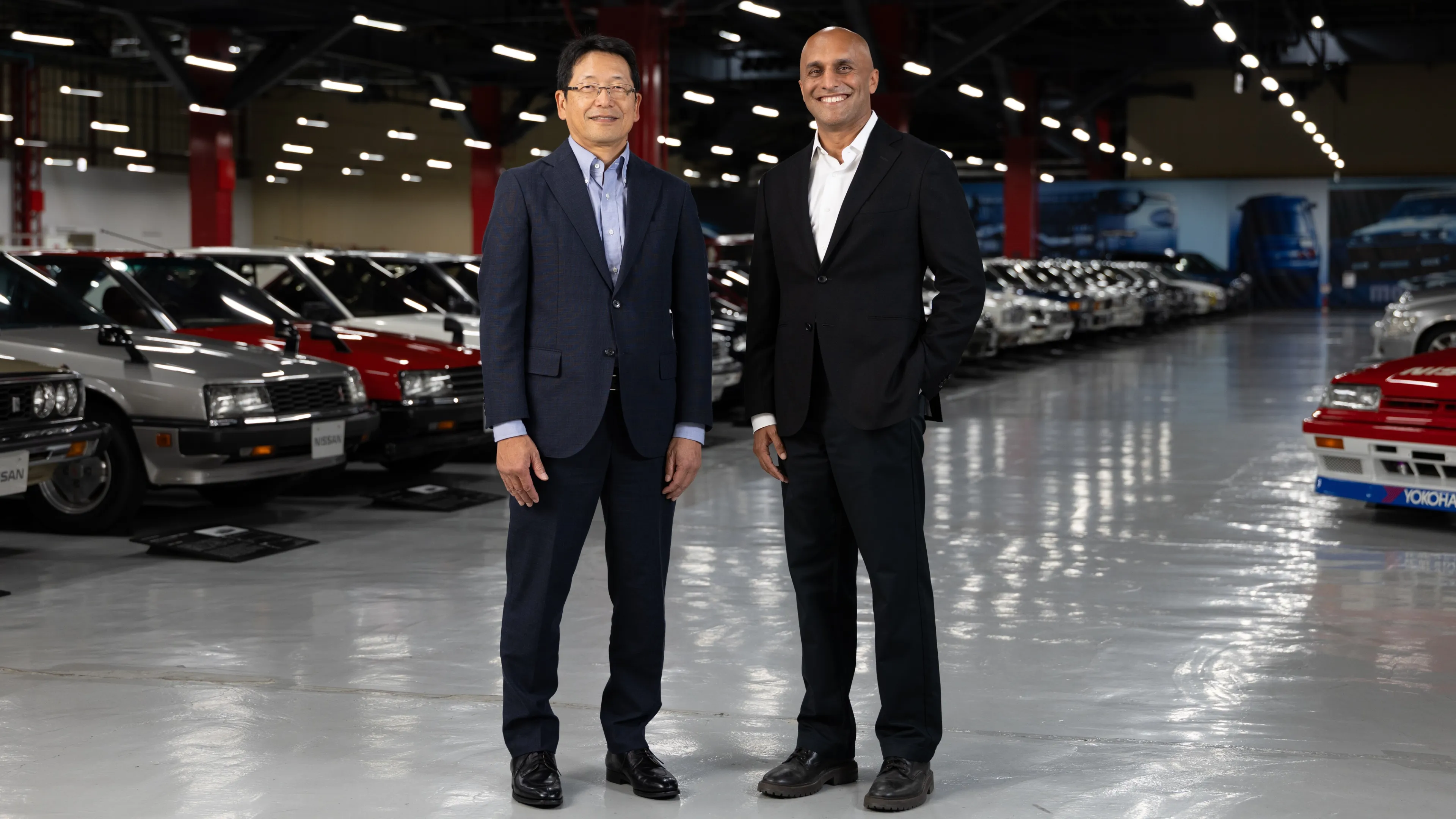
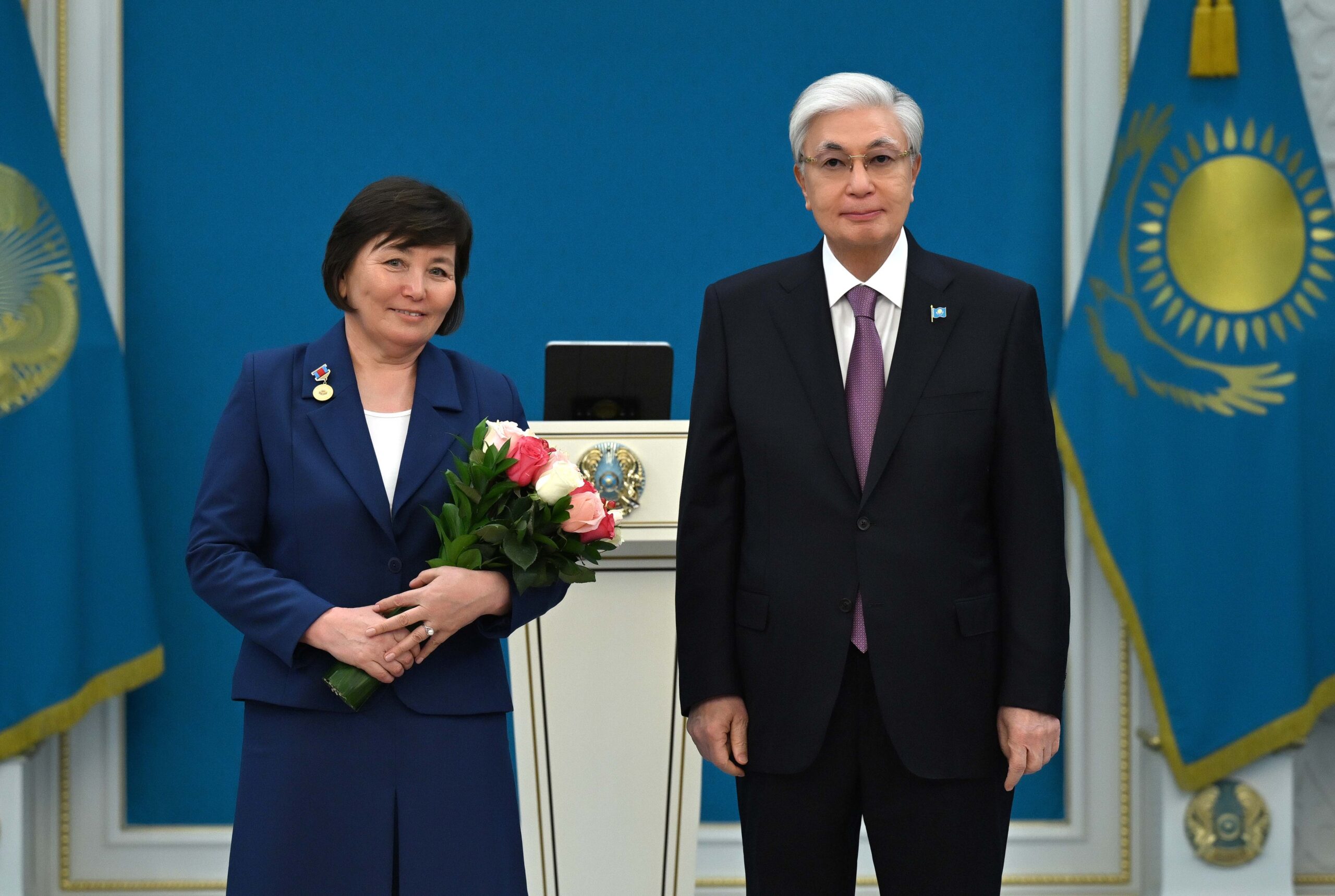
Takashi Yoshizawa, corporate executive, SDV Engineering Division, Nissan Motor Co., Ltd. (left) and Qasar Younis, co-founder and CEO of Applied Intuition at the Nissan Heritage Collection in Zama, Kanagawa.
“Nissan is strengthening its software and AI-driven development capabilities as we advance toward the realization of AI-defined vehicles,” says Takashi Yoshizawa, corporate executive, SDV Engineering Division, Nissan Motor Co., Ltd. “As we pursue a more efficient and agile approach to vehicle development, we highly value Applied Intuition’s technical expertise and proven track record in advanced vehicle-software development.”
“The future of automotive innovation will be defined as much by how vehicles are engineered as by the software they ultimately run,” says Qasar Younis, co-founder and CEO of Applied Intuition. “We’re proud and excited to work alongside the Nissan team to create an engineering foundation that allows vehicles to evolve at the speed of AI.”
The collaboration combines Applied Intuition’s software and AI technology with Nissan’s vehicle-engineering and production expertise, bringing together teams in Japan and Silicon Valley to transform how vehicles are developed. Applied Intuition will work alongside Nissan, championing the automaker’s journey of innovation. At its core: a common software platform that spans a range of vehicle models and relies on AI-powered tooling. This enables faster development and continuous feature evolution—and lets product teams take full advantage of that flexibility.
A Collaboration to Redefine How Vehicle Software Is Built
For years, automotive software development has been constrained by fragmented workflows and lengthy development cycles. A new feature moves through requirements, implementation, supplier handoffs, testing, integration, and validation before finally reaching a vehicle. Even relatively small software changes can take months to complete.
At AWS Summit Japan, Applied Intuition and Nissan demonstrated a fundamentally faster approach to vehicle software development.
Using a Nissan LEAF–based test vehicle equipped with the SDV platform under development, presenters showed how a software update traditionally requiring months of development and validation cycles could be implemented, tested, and deployed in real time. Audience members selected modifications to the vehicle’s welcome sequence, while engineers worked behind the scenes to implement the changes, validate the software, and deploy it directly to the vehicle. Moments later, the updated behavior appeared live on stage.
Applied Intuition’s Vehicle OS software helped power the demonstration, providing engineers with a unified development environment by connecting requirements, development, simulation, validation, debugging, and deployment within one AI-powered platform. The result: A workflow that usually takes months was compressed into minutes.
The Next Era of Vehicle Engineering
As automakers strive to build increasingly ambitious AI-defined vehicles, the engineering systems and companies behind them are transforming as part of that change, and the next generation of vehicle engineering will be orchestrated by intelligent agents. Dana, Applied Intuition’s agentic platform for physical AI, brings this capability into automakers’ development lifecycles, enabling engineers to automate complex workflows, accelerate validation, and dramatically increase development productivity.
This new approach will free engineering teams from disconnected tools and manual processes, empowering them to create the differentiated software experiences that will define the new generation of mobility. Applied Intuition is helping Nissan build the development platform that will make that future real.










Leave a Reply