
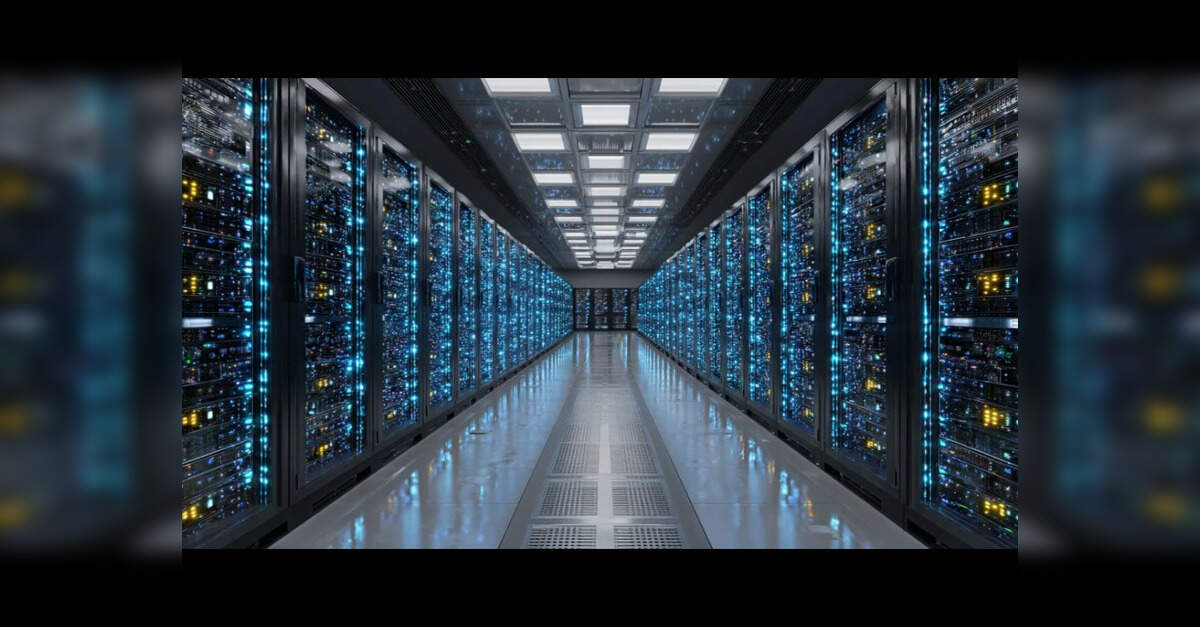
1. The Growing Demand for AI-Ready Data Centers
Generative AI, machine learning and large language models require powerful processors and specialized accelerators. These workloads can create significantly different infrastructure demands compared with conventional enterprise applications.Organizations are responding by investing in high-density server racks, faster networking technologies and infrastructure designed to scale with changing workloads.For data center operators, the challenge is not simply adding more computing capacity. It is ensuring that power distribution, cooling, connectivity and physical space can support increasingly demanding applications.
2. Advanced Cooling Is Becoming a Priority
As computing density increases, managing heat becomes a critical operational challenge. Traditional air-cooling systems may not be sufficient for every high-performance computing environment.Technologies such as direct-to-chip liquid cooling and immersion cooling are gaining attention because they can help manage heat in specialized deployments.The right approach depends on workload requirements, facility design, operating costs and local environmental conditions. Operators must evaluate cooling strategies alongside server procurement and infrastructure planning rather than treating cooling as a separate consideration.
3. Energy Efficiency and Sustainability
Electricity consumption is an important consideration for data center operators. Rising computing demand makes efficient power distribution, cooling optimization and energy monitoring increasingly valuable.Operators can improve efficiency through several measures:
- Using intelligent monitoring to identify energy-intensive workloads.
- Optimizing cooling systems according to actual operating conditions.
- Evaluating efficient power and server infrastructure.
- Improving capacity planning and equipment utilization.
- Exploring renewable electricity procurement where feasible.
Measuring performance consistently is essential. Metrics such as Power Usage Effectiveness (PUE), alongside workload-level energy measurements, can help organizations assess infrastructure efficiency.
4. Edge Computing and Distributed Infrastructure
Not every application can rely exclusively on centralized data centers. Some use cases require low latency, local processing or greater resilience when connectivity is limited.Edge data centers bring computing resources closer to users, devices and operational environments. They can support applications such as industrial automation, connected infrastructure, real-time analytics and selected Internet of Things deployments.For enterprises, the right architecture may combine centralized cloud infrastructure with regional facilities and edge locations, depending on performance, security and availability requirements.
5. AI-Driven Data Center Operations
AI can also help manage the facilities that power AI itself. Intelligent analytics can assist operators in identifying unusual equipment behavior, forecasting capacity requirements and optimizing cooling or energy use.Predictive maintenance can help teams detect potential equipment issues before they cause significant disruption. Automated monitoring can also improve visibility across complex infrastructure environments.However, these benefits depend on reliable operational data, integration with existing systems, appropriate security controls and effective human oversight.
6. What Data Center Operators Should Prioritize
As infrastructure requirements evolve, operators should consider a coordinated approach to modernization.Plan for future workloads: Evaluate computing density, power availability and network capacity before expanding facilities.Design cooling around real requirements: Match cooling technology to server configurations, workload profiles and operating conditions.Measure efficiency: Establish clear baselines for energy consumption, utilization and cooling performance.Strengthen resilience: Review redundancy, disaster recovery, cybersecurity and operational monitoring.Build for scalability: Favor infrastructure strategies that can accommodate future demand without unnecessary capital expenditure.
Conclusion
Artificial intelligence is reshaping the data center industry by changing how computing infrastructure is designed, powered, cooled and managed. The next generation of facilities will need to balance computing performance with energy efficiency, resilience and operational flexibility.For enterprises and data center operators, preparing for this shift requires more than deploying advanced servers. It requires a holistic strategy that connects infrastructure planning, cooling, energy management, automation and long-term business needs.As AI adoption continues to evolve, the ability to build and operate efficient, scalable and resilient digital infrastructure will remain a key competitive advantage.











Leave a Reply