
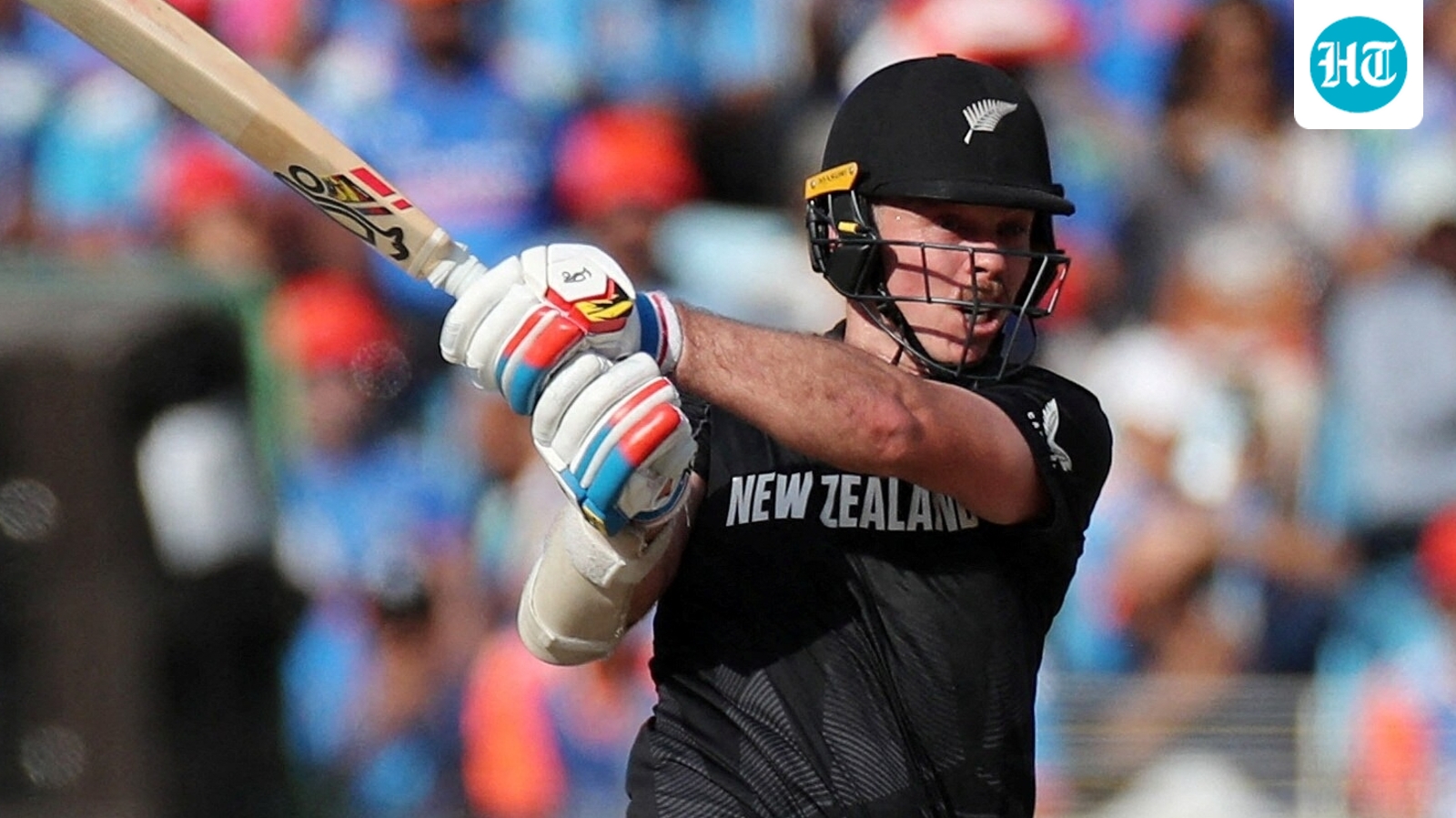
New Zealand and India kick off a five-T20I series on October 22 at Christchurch. There are five cricketers in the Kiwis’ ranks who have a casual contract, namely Michael Bracewell, Finn Allen, Tim Seifert, Adam Milne and Lockie Ferguson. In fact, initially there were six but then Mark Chapman was withdrawn due to a hamstring injury.
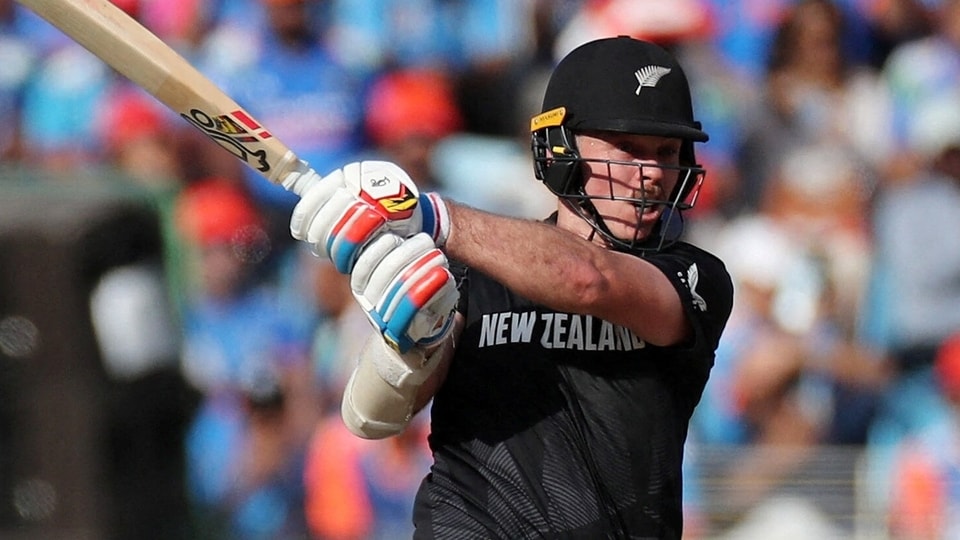
Ever wondered what a casual contract is? In the last few years, New Zealand Cricket (NZC) has handed out these contracts to some of its players.
Central contracts usually require full commitment to your country, obliging you to prioritise international cricket. Everything else is secondary. Players get a fixed salary to boot.
Casual contracts, on the other hand, allow you to pick and choose. If a player, invariably a white-ball specialist, wants to play in the Indian Premier League (IPL) or the Big Bash League (BBL), they might be allowed to participate, even if their national team is in action during that period. This often happens when the national team is playing a lesser opponent and can do without the cricketer’s services. Basically, the casually contracted players are asked to serve the national team, depending on the importance of the series — more often than not.
Also Read: The Kagiso Rabada factor: Why the pacer is just what South Africa need after Kingsmead setback
Not that it’s something every cricket board wants to do. The Board of Control for Cricket in India (BCCI) doesn’t allow its active players to play elsewhere. It’s the richest board in the world—by several miles, actually—and players do have a lot of opportunities to play within the country and make big bucks. The BCCI has a big pool of players, too.
Sadly, many other boards are not in the same position. Take New Zealand, for example; they don’t have such a big pool of players, which is understandable.
In terms of finances, they aren’t well-placed either and can’t pay their players handsomely. So, New Zealand can’t be too strict with their players or they risk losing them completely to franchise cricket, where big money can be made within weeks.
Recently, all-rounder Bracewell was given a casual contract in light of his impending participation in the BBL. He was all gratitude, understandably so. “The backing from New Zealand Cricket for me to take this opportunity at this stage of my career means a lot,” he said.
A casual contract is a luxury in many ways. Luxury in the sense that the players represent their country whenever they are called upon. They can miss camps and other important board activities for franchise cricket, too, which boosts a player’s finances not a little.
Miller in a peculiar situation
White-ball specialist David Miller of South Africa is another such example. He doesn’t have a Cricket South Africa (CSA) contract at present — although some hybrid deal was in place last season — and recently, ahead of a three-ODI series against the visiting Australians, he subtly expressed his displeasure at not having one. The first ODI against the Aussies was his first in one and a half years.
After failing in the first game (9 off 25 balls), he scored a blistering 93-ball 142 in the second to help the Proteas to an unassailable 2-0 lead. In fact, that first one-dayer was Miller’s first international game since the T20 World Cup semifinal against New Zealand in India earlier this year in March.
The Proteas have since played five T20Is against hosts New Zealand, a T20I tri-series in Namibia in which they played five games, following which a three-game ODI series took place against the hosts. Miller didn’t feature in any of those matches. Since the T20 World Cup, he has played in the IPL, the Hundred and the inaugural European T20 Premier League (ETPL).
One can see Miller has been afforded some serious luxury, but now that the countdown to the 2027 World Cup has begun, he is back in the ODI scheme of things. It’s an important tournament, and co-hosts South Africa can benefit in a big way from his massive experience.
It all began with the IPL
Franchise cricket has really changed the world of cricket. Such an arrangement, say 10 years ago, would have been unfathomable. The IPL has brought about this change. There is so much money to be made in franchise cricket that the boards with fewer funds and smaller pools have no option but to accommodate their players, especially the ones no longer at the height of their game but still quite useful.
This progression to the casual contracts wasn’t achieved overnight, though. When Kieron Pollard, Chris Gayle and Dwayne Bravo chose franchise cricket over country years ago, Cricket West Indies (CWI), unable to pay them heavy salaries, could do nothing about it. If anything, plenty of bad blood developed between them and the board, and as a result, the three players ended up contributing internationally less than they could have.
It didn’t help Caribbean cricket at all. More players like Andre Russell followed that route later, but the board hasn’t changed its stance on the matter to date. The boards like NZC and CSA have been wiser and have found some kind of middle ground.
NZC first offered casual contracts ahead of the 2023-24 season. Trent Boult, who had opted out of the central contract in 2022, was the first player to be accommodated. Kane Williamson followed suit a couple of years later. More players have since joined the club. Devon Conway’s case is a big unique though. He was casually contracted for two years before returning to the central contract for the 2026-27 season.




Leave a Reply