
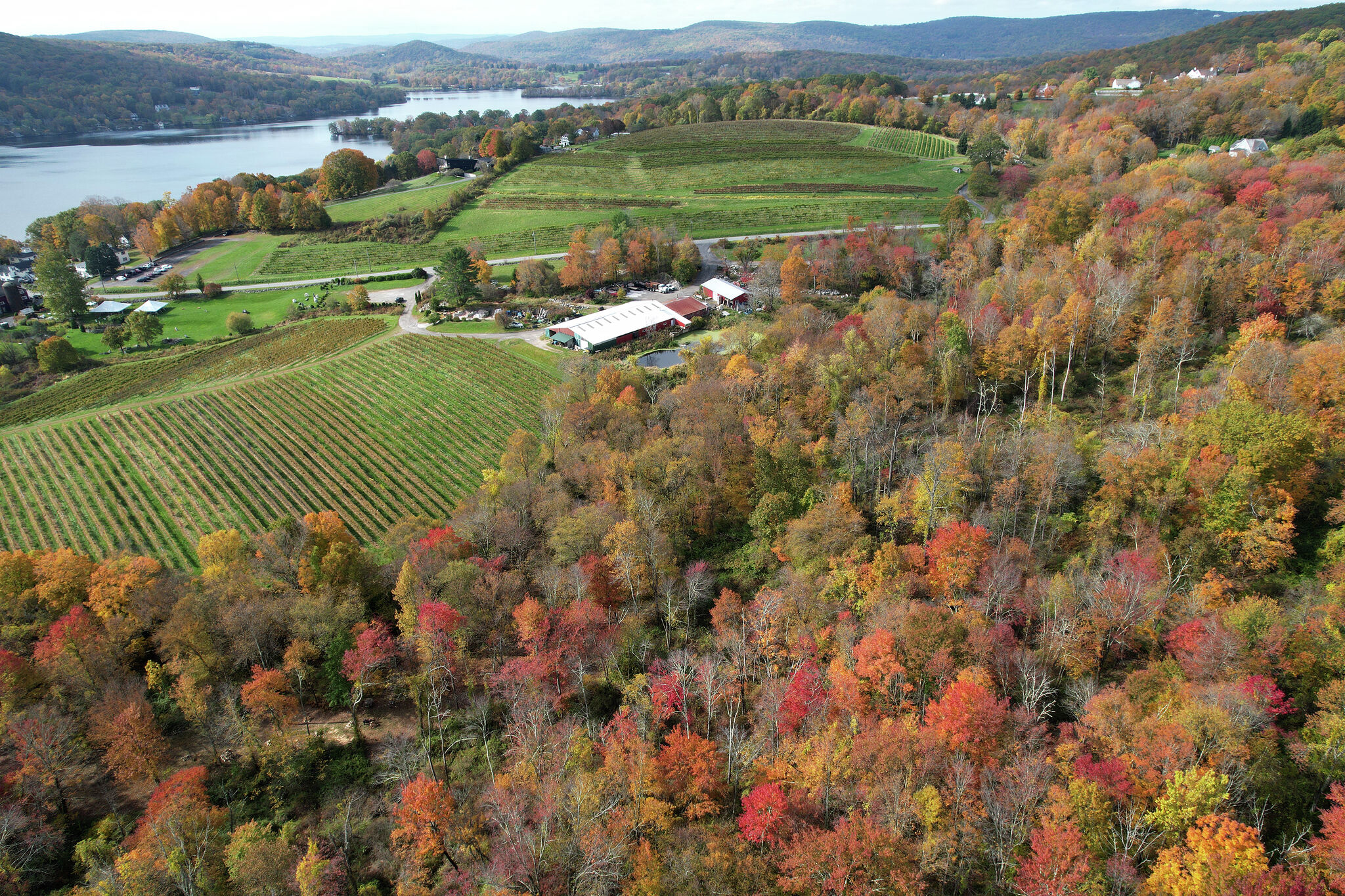
The weather in Connecticut should stay mostly dry and mild this week, though temperatures will trend cooler than last week.
To the south, a nor’easter is expected to strengthen offshore, sending showers and thunderstorm to the Mid-Atlantic and Northeast coasts through Wednesday, the National Weather Service’s Weather Prediction Center said.
Here’s what else is in the forecast around the U.S. this week:
Most of this week should remain seasonably cool, with highs in the lower to mid-60s through Thursday. Friday and Saturday will be a little cooler, with highs expected to top out in the upper 50s, before highs warm back into the lower 60s Sunday. Overnight lows will mainly be in the 40s, though temperatures could dip near freezing at times — particularly Friday and Saturday nights.
Those temperatures are seasonable for late October in Connecticut, though things will feel cooler than last week.
Meanwhile, a nor’easter is expected to strengthen offshore. While the storm could send some rain to southeastern Connecticut late Wednesday and Wednesday night, chances are low.
Farther south, the weather service has issued coastal flood advisories for parts of southern New Jersey and Delaware late Tuesday afternoon into the late evening hours.
The storm is expected to remain offshore this week before moving farther out to sea.
In the southeastern U.S., scattered thunderstorms and showers are expected across parts of Florida through Tuesday, the Weather Prediction Center said.
In the Western United States, “scattered” rain is expected across parts of the northern California coast Monday, the Weather Prediction Center said. The precipitation will move southward, with showers and thunderstorms expected for central and southern California Tuesday.
Parts of the Southwestern U.S. could see heavy rain and flash-flooding, the Weather Prediction Center said.
“The greatest potential for locally heavy rainfall and isolated flash flooding will be on Monday across southeastern Arizona and southwestern New Mexico, where remnant upper-level energy, enhanced Pacific moisture, and instability will support scattered thunderstorms,” the agency said.













Leave a Reply