
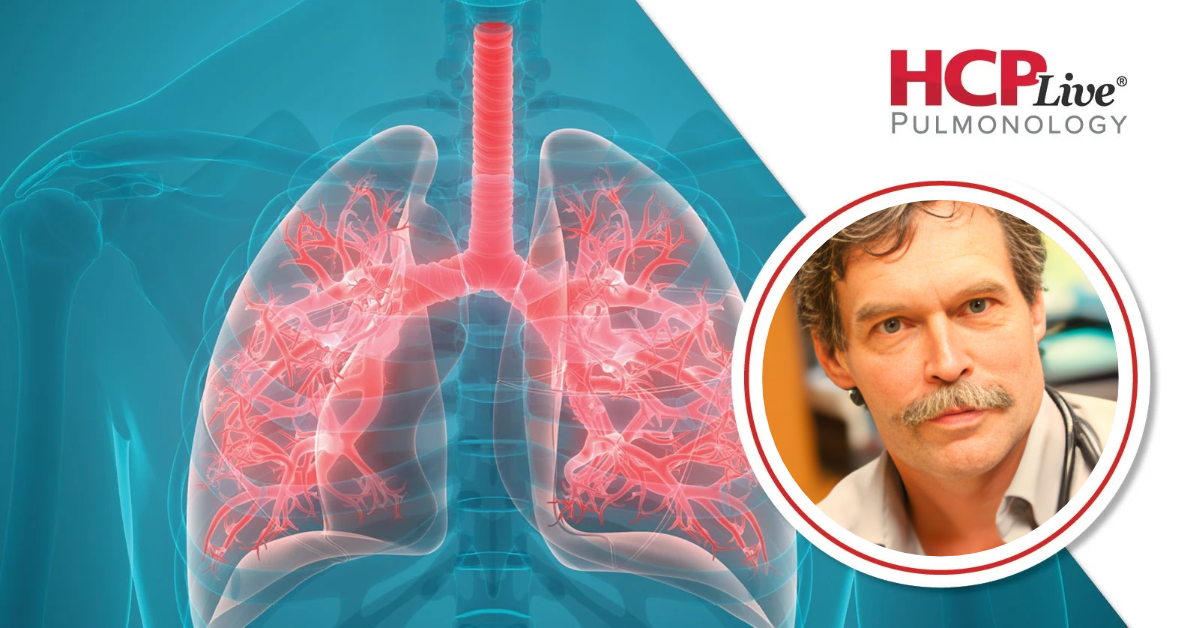
The electronic chart may also help clinicians recognize COPD earlier. Bourbeau described a future point-of-care role in which AI built into the chart helps clinicians identify what a patient needs, based on GOLD recommendations and guideline-based care.
Other applications remain investigational. Work is underway on CT scan biomarkers, where AI analysis could help distinguish COPD phenotypes, and on blood and voice biomarkers to support patient management. Bourbeau emphasized these approaches still require validation before clinical implementation.
Remote Monitoring and Posthospital Care in COPD
Telehealth and home monitoring are another active area of research, including wearable devices such as rings used to detect exacerbations early. According to Bourbeau, these tools generate large volumes of heterogeneous data, more than any nurse or physician can realistically analyze, and clinicians are now swamped.
AI could turn these data into actionable information for the clinician, including early exacerbation signals and assessment of inhaler technique. Bourbeau again stressed the need for validation before these capabilities reach routine care.
He also highlighted the patient perspective, particularly education and the transition out of the hospital. Many communications with patients after discharge do not happen because of limited resources, and AI programs built on appropriate knowledge could help reduce 30-day readmissions.
Bourbeau raised concerns about the data sources behind many commercial AI tools. Content drawn from GOLD or clinical guidelines would be appropriate, but much of what these tools use is general knowledge base material, and its effect on patient outcomes remains unclear.
“We want the health care professional to get better at what they’re doing the best, and we want AI to help the health care professional at what AI should be doing the best,” said Bourbeau.
Bourbeau described 2 main areas GOLD has promoted: approaching COPD in terms of disease activity and stability and showing clinicians both the scope and the limitations of AI. He credited Alvar Agusti, MD, PhD, a member of the GOLD scientific committee, with leading the AI work.²
References
-
Global Initiative for Chronic Obstructive Lung Disease. Global Strategy for Prevention, Diagnosis and Management of COPD: 2026 Report. Published November 10, 2025. Accessed October 20, 2026.
https://goldcopd.org/wp-content/uploads/2026/01/GOLD-REPORT-2026-v1.3-8Dec2025_WMV2.pdf -
Using AI for COPD diagnosis, equity, guideline gaps: Alvar Agusti, MD, PhD. HCPLive.
https://www.hcplive.com/view/ai-copd-diagnosis-equity-guideline-gaps-agusti . Published September 22, 2026. Accessed October 20, 2026.














Leave a Reply