
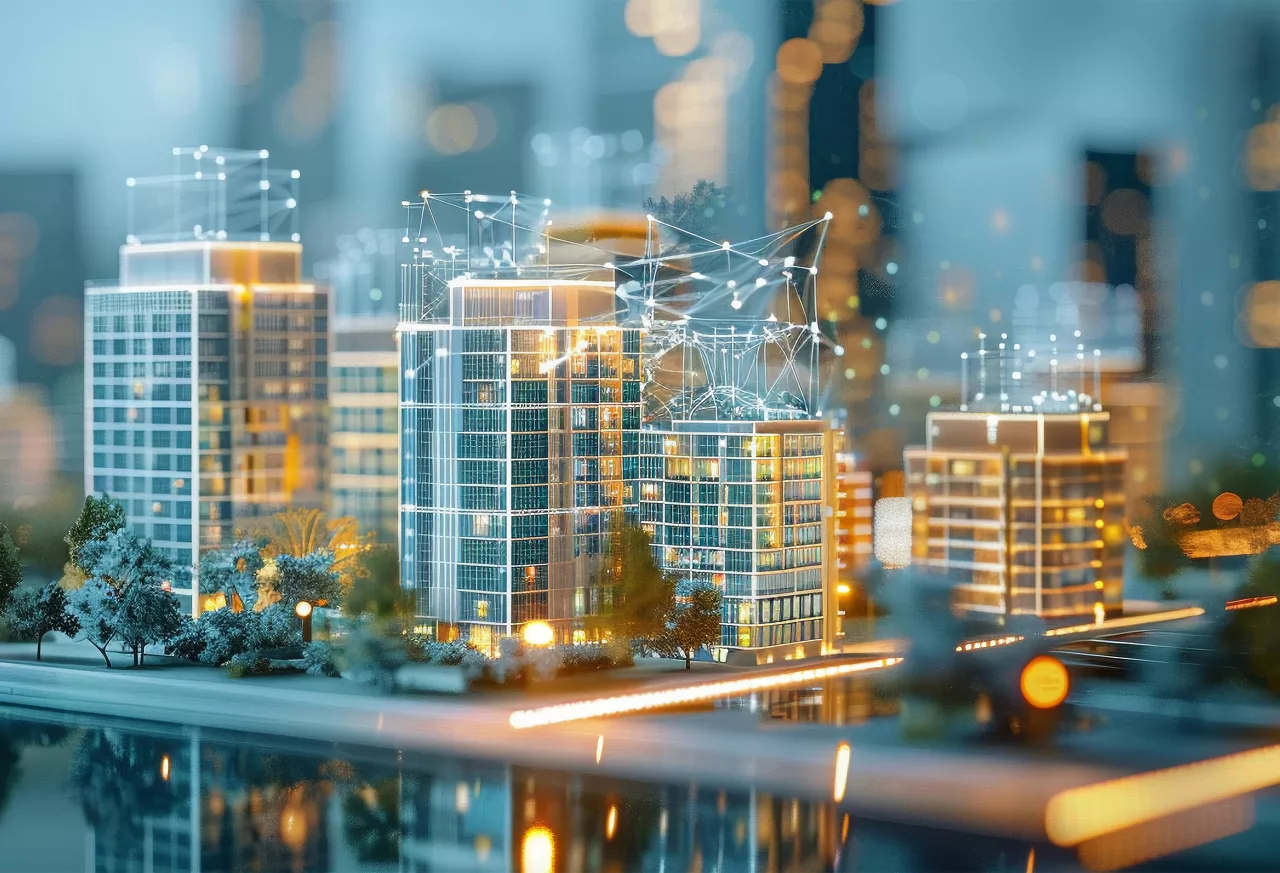
Digitisation has made construction more efficient by streamlining the largely fragmented RE project cycle. Advanced tools – for instance, BIM, 3D printing, drones and real-time tracking instruments – are providing a much safer and sustainable construction environment. They are helping teams plan better, collaborate faster, track progress in real time and identify risks earlier. In a sector where many delays arise from disconnected information across designers, contractors, consultants and site teams, a single source of truth is becoming a delivery advantage. The opportunity now is to connect these advances more effectively across the project lifecycle. While many developers have digitised individual activities, information often continues to move through a mix of software platforms, WhatsApp messages, photographs and other informal updates. The growing use of integrated platforms signals a gradual shift from standalone tools towards more connected planning, documentation and site execution.
Early examples already show this shift. India’s first 3D-printed post office, built in only 43 days, showed how technology can enable faster and more efficient construction.2 Digital twin technology is also gaining traction in large-scale RE developments. Developers in cities such as Hyderabad and Bengaluru are using virtual replicas of planned townships to simulate traffic movement, wind flow, heat island effects and infrastructure performance before construction begins, helping create more resilient communities.3 What once felt futuristic is now becoming part of the construction mainstream.
Today, construction is gradually becoming more industrialised. Prefab, precast and modular methods are shifting more work to factory-controlled environments, reducing on-site uncertainty and making delivery more predictable. Beyond construction methods, technology is also reshaping how space is planned and used. AI‑led space‑planning tools are helping developers get more utility out of compact layouts – quietly improving affordability without sacrificing liveability.









Leave a Reply