
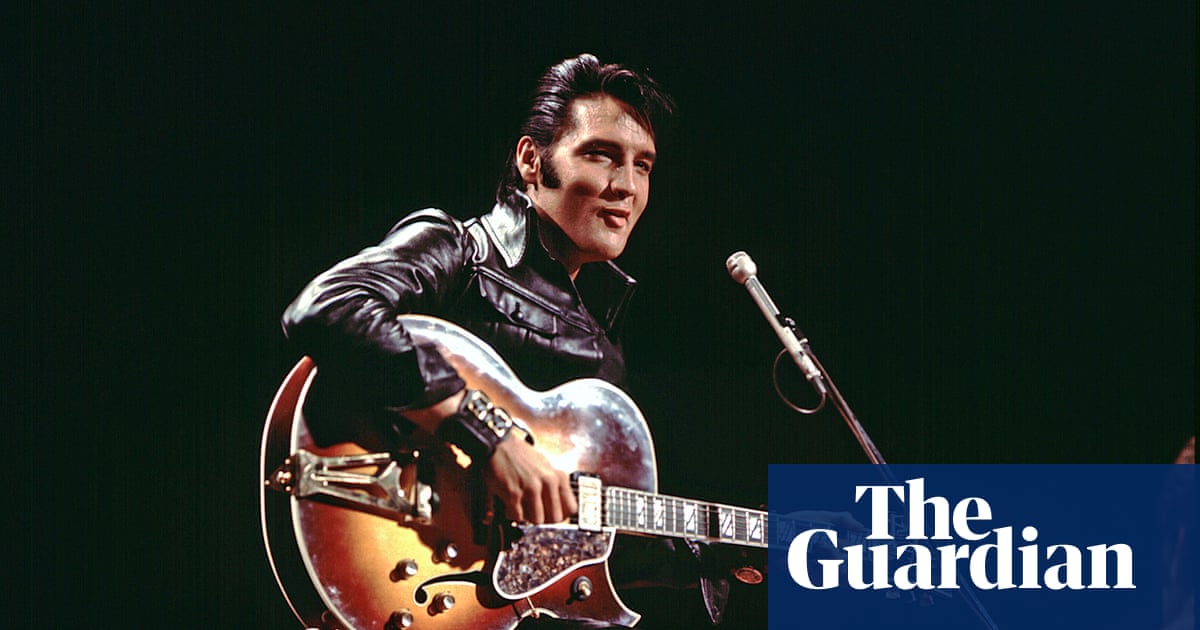
The owners of Elvis Presley’s music catalogue are suing artificial intelligence (AI) company Anthropic for allegedly using Presley’s songs to train their models without permission.
Authentic Brands Group, the licensing organization that has ownership of both Presley’s music and likeness, is accusing Anthropic of infringing on the rights of 274 songs by Presley. The lawsuit, first reported by Billboard, was filed on Friday.
While AI firms have already faced copyright infringement claims from the Recording Industry Association of America (RIAA) and music labels such as Sony, Universal and Warner Records, this case represents one of the first major legal challenges brought directly by an artist’s estate against an AI developer. The result could set a broader precedent for how AI companies are allowed to use existing music catalogues.
“The Elvis plaintiffs bring this action to enforce these exclusive rights against the defendant that has built its entire business model based on copyright infringement at a scale never seen before,” lead attorney Richard Busch wrote in the lawsuit.
The lawsuit claims that “from its inception, Anthropic’s AI model, ‘Claude,’ has created infringing output of copyrighted material of virtually every song from every catalog available on the internet”.
It further accuses Anthropic of utilizing 274 of Presley’s songs to train its AI model. These works include Can’t Help Falling in Love, All Shook Up and A Little Less Conversation. The plaintiffs are seeking $150,000 per infringed track, or about $41m (about £31m).
after newsletter promotion
“Even Anthropic’s institution of guardrails (albeit ineffectively) to purportedly limit outputs which infringe upon music copyrights, after being caught, along with its knowledge that its guardrails were ineffective to stop creating outputs which infringed music copyrights, demonstrates that Anthropic knowingly engaged and continues to willfully engage in copyright infringement of others’ musical works,” the lawsuit states.
AI music platforms work by analyzing large amounts of recorded music in order to learn the sounds, structures and expressions of songs, and then allows users to create their own AI-generated music via text or speech prompts.
Musicians have repeatedly expressed concerns that their music and voices are being used without their permission by AI models, as well as fears that AI-generated “slop” music could replace human-made songs.
Some AI bots have even begun impersonating real living artists on music streaming platforms. Last week, music streaming giant Spotify announced it had removed about 50m songs considered AI slop from its recommendations to users over the past year.












Leave a Reply