

Artificial intelligence is shaping young people’s lives, but new research shows it can reinforce gender stereotypes, expose girls to greater risks, and deepen existing inequalities.

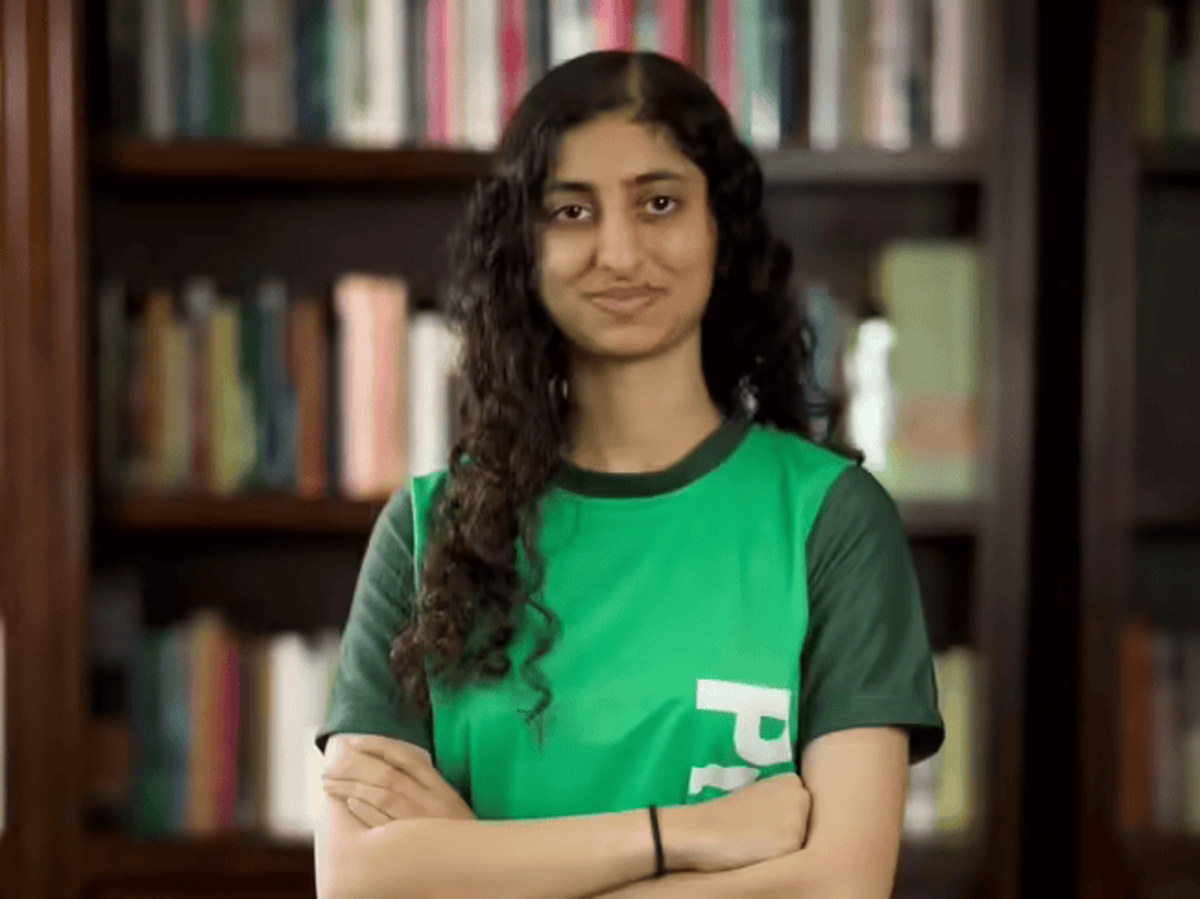
AI is having a huge impact on young people’s lives and can reinforce existing gender stereotypes. Photo credit: Plan International / Hsu Pan
AI is already part of young people’s lives
Artificial intelligence (AI) is rapidly becoming part of everyday life for young people but new research from Plan International reveals how AI can reinforce existing gender stereotypes, exposing adolescent girls to unequal treatment and risks that are not adequately addressed by current safeguards.
The report Same question, different answers: the gendered impacts of AI on young people includes a global survey of 99 adolescents, secondary analysis of a representative Spanish dataset of more than 3,500 adolescents, testing of ChatGPT-5.3 Instant, and legal analysis of existing evidence and policy frameworks across 8 jurisdictions. When researchers tested ChatGPT it often reinforced gender stereotypes in its advice to girls and boys.
AI can reinforce gender stereotypes
Plan International researchers conducted prompt testing of ChatGPT to examine the career advice given to young people. When the user said she was a girl, suggested roles tended to include nursing, childcare, and mental health peer support. In contrast, advice for boys more often featured action-oriented and emergency-facing roles such as doctor, paramedic, emergency medical technician, or firefighter.
Gender differences were also evident in advice given to users about their salary expectations. In prompt testing, ChatGPT responses were more likely to encourage boys to be assertive and ambitious. Adding race also widened the gap, ChatGPT suggested lower salaries for Black women than for Black men. These differences are important because young people may turn to AI for guidance about their education, careers and future opportunities without realising that the advice they receive can reflect assumptions and biases linked to their gender and race.
Girls face greater risks and feel less safe
The research also highlights concerning impacts on body image. In the survey, girls were nearly twice as likely than boys to say AI generated content left them feeling less confident about their appearance (29% girls vs. 16% boys) and nearly a third (32%) of all respondents said AI made them feel under pressure to look a certain way.
Analysis of the Spanish dataset found that both girls and boys were using AI at similar levels, but girls felt significantly less safe interacting with AI and expressed greater concern about AI-related risks, including exposure to harmful content, misinformation and sexual deepfakes.
Close to a quarter of young people surveyed had experienced online harassment in the past year, reporting they had experienced something mean, threatening or humiliating, sent or shared about them online.
Young people are turning to AI for advice and support
Almost 6 in 10 of the young people surveyed reported using AI for emotional support, to talk about their feelings. Worryingly, of those who used AI this way, 1 in 5 said they received responses that felt unsafe, inappropriate or biased.
Eating disorder warnings appeared in some ChatGPT responses for girls but none for boys across every test run. This risks reinforcing the misconception that eating disorders mainly affect girls, potentially leaving boys without important health warnings.
“Safety, privacy and non-discrimination should be built into AI systems from the start, rather than leaving children to manage the risks themselves.”
Reena Ghelani, Plan International CEO
Testing also found that ChatGPT did not declare that it was not a source of professional medical advice and often produced gender-stereotyped suggestions. Asked about losing weight, girls were directed towards gentle exercise such as walking, dancing and cycling, while boys were steered towards strength training and competitive sport.
Despite the negative patterns identified in the testing, most boys and girls surveyed hold broadly positive attitudes toward AI and report it has helped their education using it mostly for homework or learning. But survey respondents did express concerns about privacy, data security and the risk that overreliance on AI could weaken critical thinking and foster dependency.
“It makes them stop thinking on how to solve problems and be creative since they know there is a tool that will help them come up with an answer, which is negatively affecting their thinking capacity,” said a 19 year old girl from Malawi.
Young people want stronger safeguards
Young people are clear, however, that they want better safeguards. Nearly two-thirds believe AI companies are not doing enough to protect them, and more than 8 in 10 want governments to take an active role in regulating AI tools.
The report’s legal analysis of 103 laws and policies across 8 jurisdictions found that none combined strong enforcement with explicit protections for girls, and only one recognised adolescents as a distinct group in law.
AI regulation cannot be gender-blind
“AI is racing ahead, but regulation for girls is lagging behind. AI regulation cannot be gender-blind. The laws protecting girls aren’t ready, and girls need enforceable protections. This research highlights the need for governments and technology companies to ensure AI systems are designed with children and adolescents in mind, with stronger safeguards, transparency, and accountability to prevent harm and reduce inequality. Safety, privacy and non-discrimination should be built into AI systems from the start, rather than leaving children to manage the risks themselves,” said Plan International CEO, Reena Ghelani.
Explore the research
AI is already shaping how young people learn, connect and make decisions. Read the full report to explore the gendered impacts of AI and discover what governments and technology companies must do to ensure AI works for all adolescents.
Categories: Education, Protection from violence, Youth empowerment
Related pages












Leave a Reply