

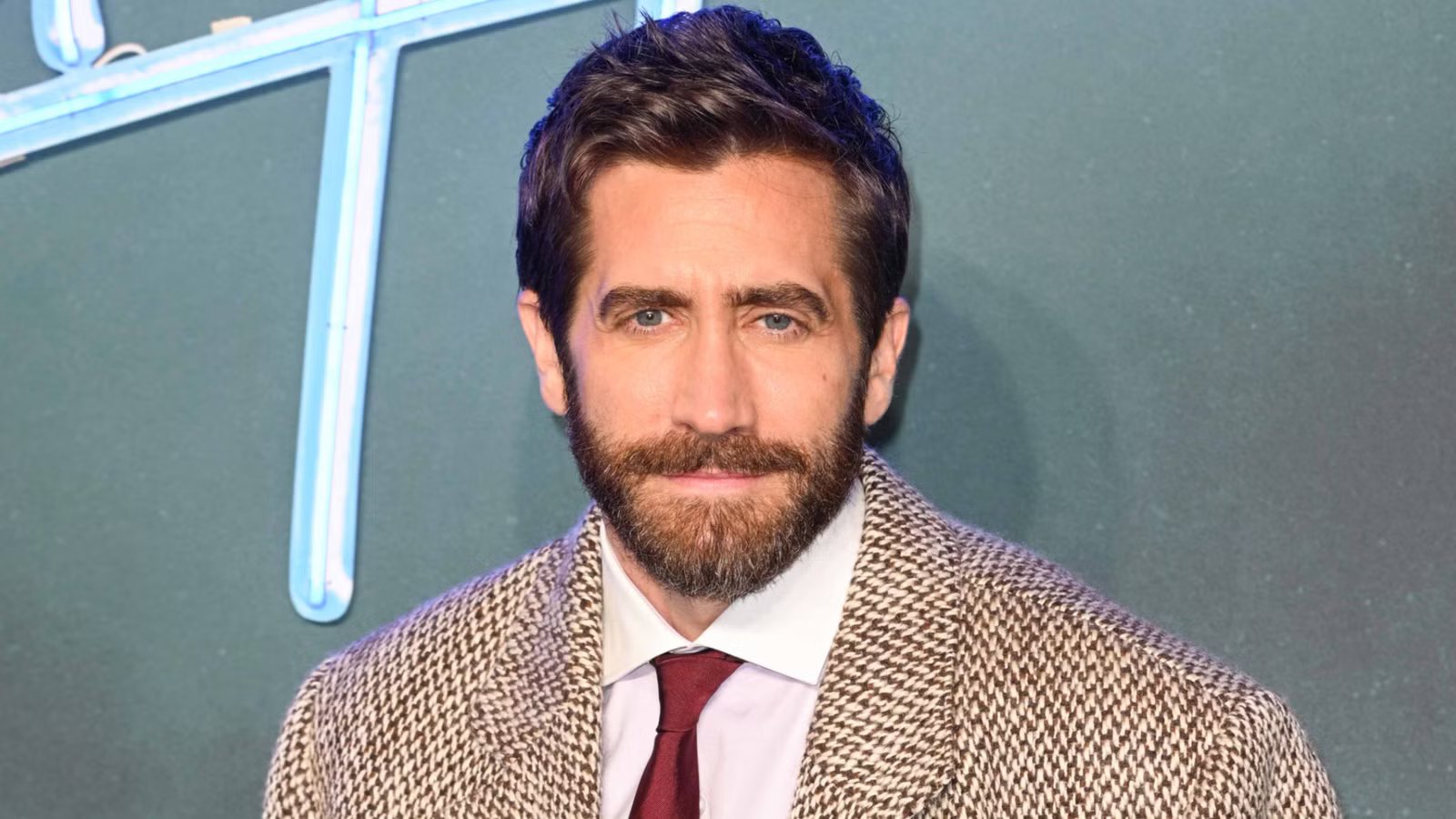
In a career spanning decades, Jake Gyllenhaal has played all kinds of fascinating characters. From action heroes in Ambulance and Road House to creepy dudes in Donnie Darko and Nightcrawler, the Hollywood star with a golden smile has done it all. Yet one of his least-discussed performances is finding a new audience thanks to Netflix.
As is the case with other disaster movies, good performances get lost in the middle of the chaos taking place on screen. However, in the case of this early 2000s hit, Gyllenhaal’s heroic role stands out as an early display of his leading-man charisma and dramatic range.
22 Years Later, ‘The Day After Tomorrow’ Becomes a Netflix Sensation
In 2004, Gyllenhaal teamed up with Independence Day director Roland Emmerich for a highly entertaining yet critically panned disaster movie. The Day After Tomorrow follows Gyllenhaal’s Sam Hall, who travels to New York City for a high school competition as Earth enters an unexpected ice age, with flash blizzards turning the city into a frozen wasteland.
Sam’s father, Jack (Dennis Quaid), has been warning his superiors that climate change could trigger a global catastrophe, but no one has taken his claims seriously. When the Big Apple floods and Sam seeks shelter with dozens of others in the New York Public Library, Jack attempts the impossible to rescue his son amid the apocalypse.
Released in May 2004, The Day After Tomorrow was a major box-office success, grossing more than $552 million against a $125 million production budget, effectively becoming Emmerich’s second-highest-grossing movie after ID4 (how Independence Day was often stylized back then). It also remains one of the highest-grossing films of Gyllenhaal’s early career.
Decades after its release, The Day After Tomorrow continues to draw viewers with its spectacular set pieces and gripping depiction of apocalyptic times. According to the latest update to the charts, the 123-minute disaster thriller has become the No. 1 movie on Netflix in the United States, ranking above more recent hits such as Ben Affleck’s Animals.
Critical Reception Aside, This Is How You Make a Good Disaster Film
-
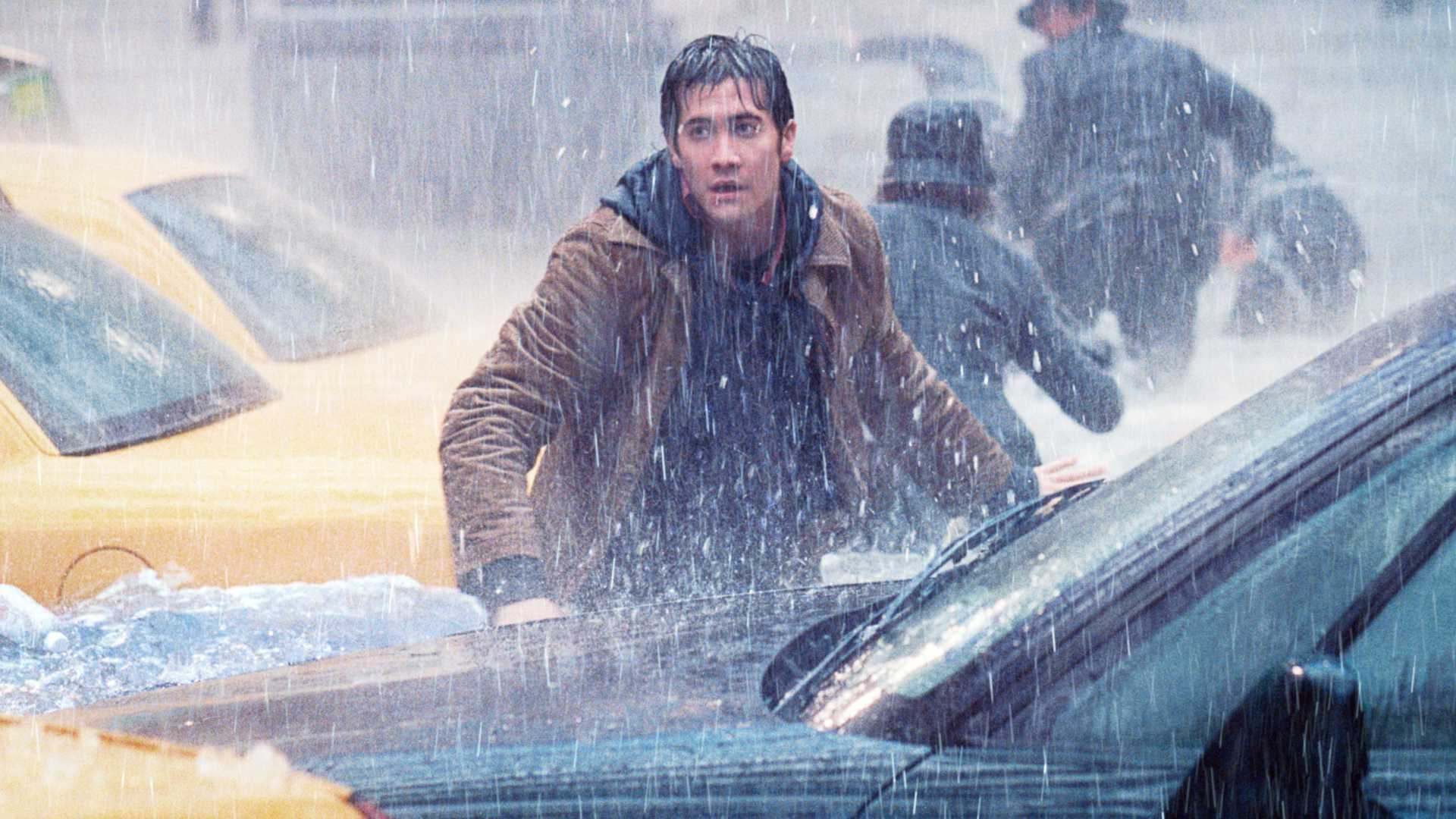
Jake Gyllenhaal in The Day After Tomorrow 20th Century Fox -

two men pull a raft over frozen ground in the day after tomorrow 20th Century Fox -
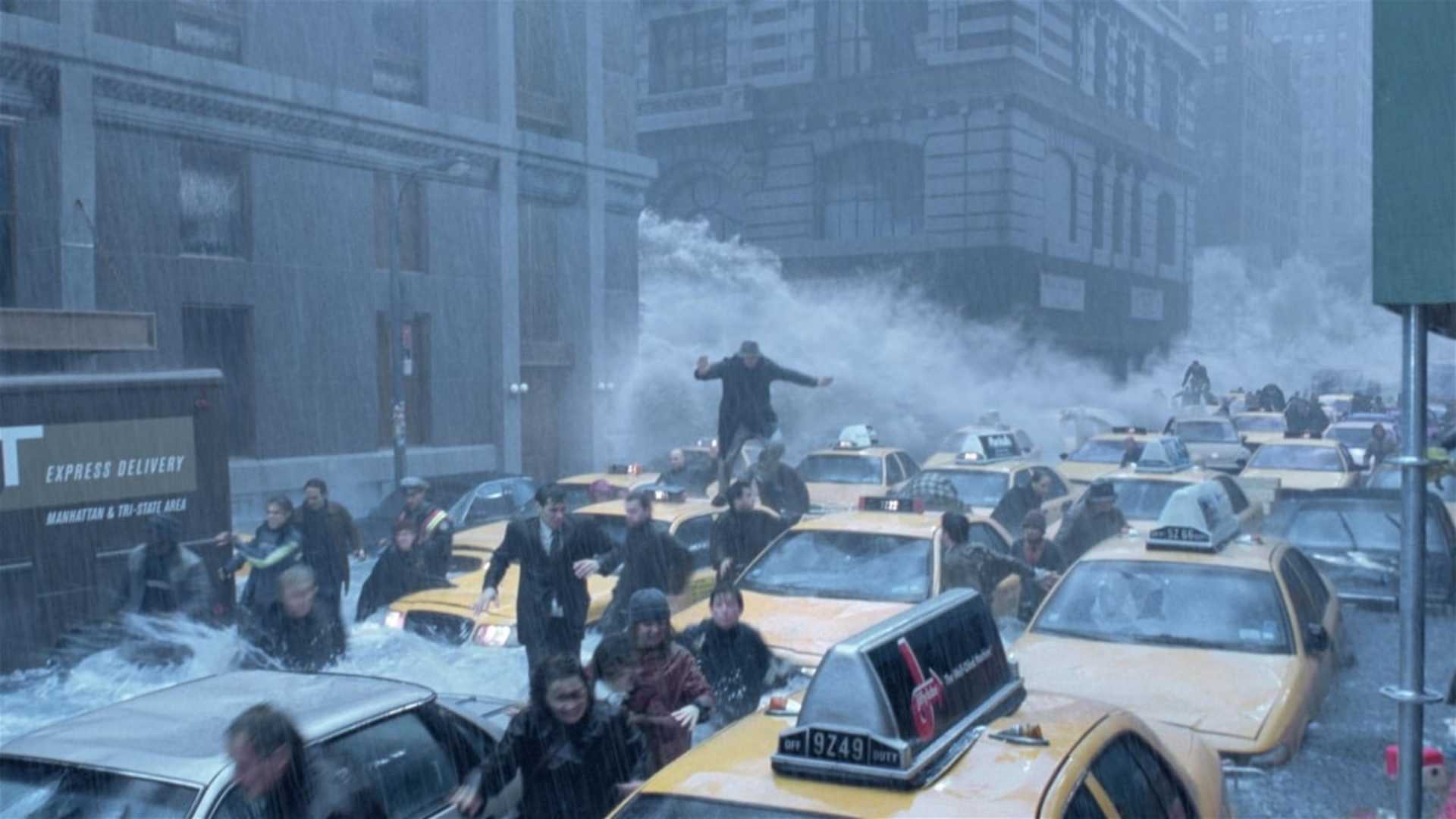
People run over New York City as it floods in the day after tomorrow 20th Century Fox
Despite its strong box-office performance, The Day After Tomorrow was not well-received by critics. Like other genre entries such as The Core and Armageddon, it received a mixed critical response, eventually earning a 44% critics’ score on Rotten Tomatoes.
Although he called it “silly,” renowned critic Roger Ebert gave the film three stars out of four and highlighted the film’s special effects in his review: “What surprised me is that it’s also very scary. The special effects are on such an awesome scale that the movie works despite its cornball plotting…The Day After Tomorrow is ridiculous, yes, but sublimely ridiculous — and the special effects are stupendous.”
Disaster movies are seldom hailed by critics. The genre often seems condemned by default, as it prioritizes spectacle over deeply compelling storytelling. The Day After Tomorrow is no exception, delivering enough action to keep everyone on the edge of their seats, and distracting most viewers from the plot’s lack of logic.
But being silly doesn’t make it a bad movie or rob it of its appeal. Gyllenhaal’s performance is just one of the film’s several strengths. And audiences on Netflix seem to agree that 22 years later, it remains a solid action thriller capable of keeping viewers on the edge of their seats.

- Release Date
-
May 28, 2004
- Runtime
-
124 Minutes














Leave a Reply