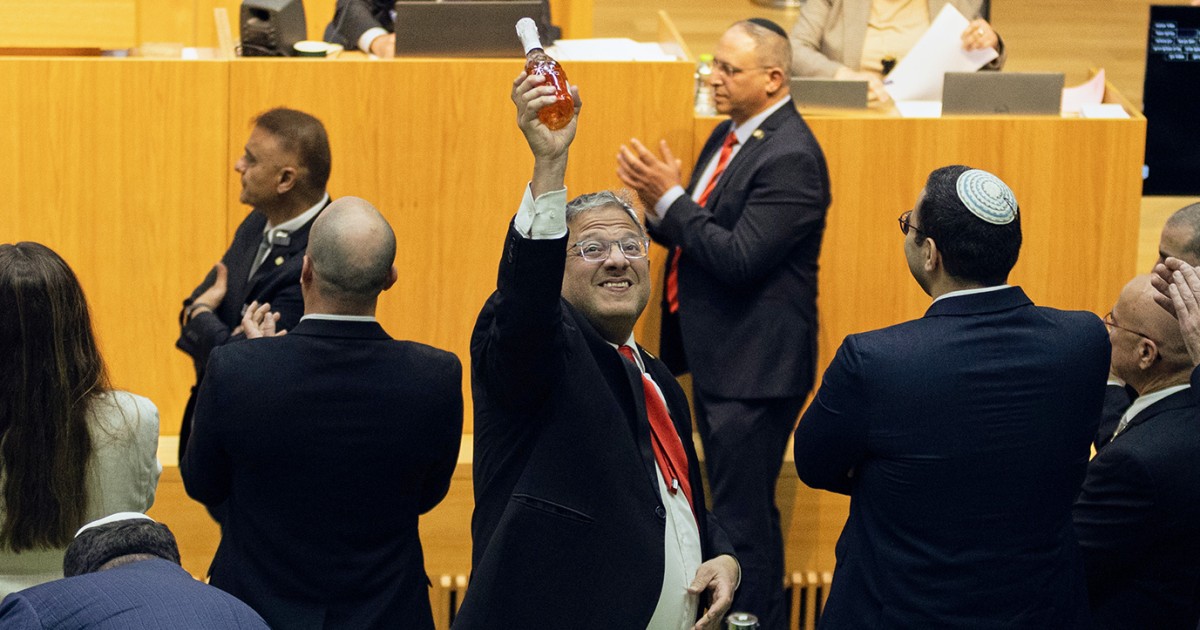
TEL AVIV — Far-right supporters of a controversial Israeli death penalty law were popping champagne corks as it cleared the Knesset on Monday night, but its passage has sparked a global chorus of condemnation from allies and international human rights groups.
Subscribe to read this story ad-free
Get unlimited access to ad-free articles and exclusive content.

The new law effectively makes death by hanging the default punishment for murderers who kill “with the intent to deny the existence of the State of Israel” — language that targets Palestinian militants but amounts to a de facto exclusion of Israelis who kill Palestinians.
Because the law would accelerate lethal punishments for Palestinians and is almost impossible to apply to Israeli murderers, human rights groups say it’s likely to inspire far more outrage and violence than it prevents.
U.N. High Commissioner for Human Rights Volker Türk said in a statement Tuesday that the measure is a “particularly egregious violation of international law” and warned its application to residents of the occupied West Bank and the Gaza Strip “would constitute a war crime.”
Australia, Germany, France, Italy and the United Kingdom voiced concerns over its “de facto discriminatory character” in a joint statement, while Spanish Prime Minister Pedro Sánchez said in a post on X that it was “another step toward apartheid.”
The Trump administration has so far avoided joining critics, with a State Department spokesperson saying it “respects Israel’s sovereign right to determine its own laws,” adding: “We trust that any such measures will be carried out with a fair trial and respect for all applicable fair trial guarantees and protections.”

FORSUBSCRIBERS

Advocates of the law within Israel have pointed to violent attacks perpetrated by Palestinian militants over the years.
For Micah Avni, his support for the law is deeply personal, having watched the Palestinian militant who murdered his father, Richard Avni, a decade ago walk free from an Israeli prison as part of an exchange for Israelis taken hostage by Hamas during the Oct. 7, 2023, attacks.
“I wish it had been in place earlier and I’m glad it’s in place now,” Avni, 56, said in a phone call Tuesday. “That terrorist who murdered my father showed absolutely no remorse. I’m quite certain, based on the statistics, that he’s out there planning his next terror attack.”
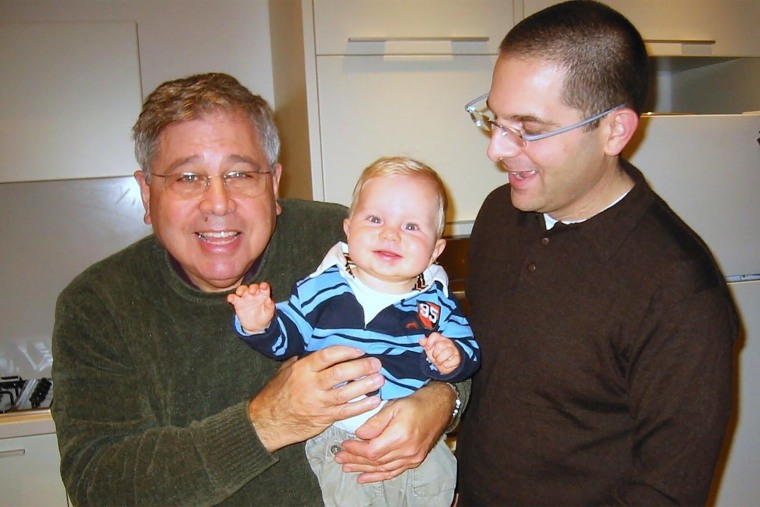
The law’s critics say the new legislation is unlikely to dissuade Ghanem or anyone else from killing Israelis.
“This sends another message to Palestinians that there is no place for compromise,” said Mustafa Barghouti, a Palestinian politician and leader of the Palestinian National Initiative party. “This will not deter Palestinians but it will enhance their struggle for freedom from this oppressive system.”
Under the new law, the death penalty will be administered by military courts that almost exclusively try Palestinians and have a 96% conviction rate, according to B’Tselem, an Israeli human rights group.
Capital sentences will now require only a simple majority of sitting judges rather than unanimous agreement, the group said. And the punishment must be carried out within 90 days of sentencing without any possibility for pardons or commutations.
“It’s just going to be another tool in the Israeli toolkit to kill Palestinians,” said Shai Parnes, B’Tselem’s public outreach director.
The law would not apply to Palestinians already convicted of participating in the Oct. 7 attacks. But those who haven’t been convicted, including the estimated half of imprisoned Palestinians who have been jailed but not formally charged under Israel’s so-called “administrative detention” for Palestinian offenders, could still be put to death.
Capital punishment is technically legal in Israel but only for crimes against humanity and treason.
The death penalty for murder was outlawed in 1954 and Israel has only executed two people in its 78-year history. Meir Tobianski was executed for treason in 1948 but was completely exonerated a year later. In 1962, Israel hanged Adolf Eichmann, the Nazi architect of the holocaust, after a widely watched trial in Jerusalem.
The punishment stipulated under the new law is death by hanging, after the Israeli Medical Association’s ethics board said last year that its members would be prohibited from administering lethal injections, according to Israeli media.
Supporters of the death penalty, particularly among the far-right politicians who championed it, describe the law as a much-needed correction to decades of lax punishments by progressive judges that only incentivized terror.
“The idea is to not allow them to continue to think that by taking hostages they’re going to get a get-out-of-jail-free card because there’s no death penalty,” said Caroline Glick, Prime Minister Benjamin Netanyahu’s international affairs adviser.
Among the more than 2,000 Palestinian prisoners released as part of exchanges for Israeli hostages in Gaza, hundreds of them were serving life sentences for lethal crimes against Israelis.
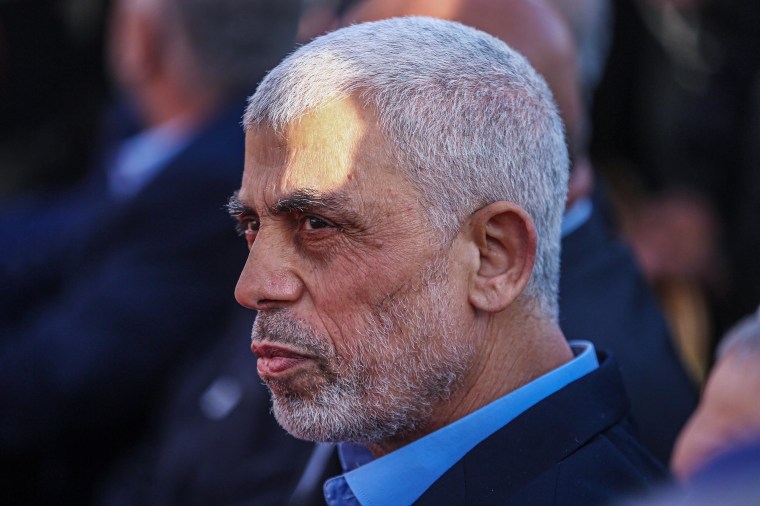
Yahya Sinwar, the slain former head of Hamas and one of the primary architects of the Oct. 7 attacks, was released from Israeli prison in a similar deal in 2011.
“It’s important from a deterrent perspective because one of the things that we find is that we give people multiple life sentences and they don’t take it seriously,” Glick said.

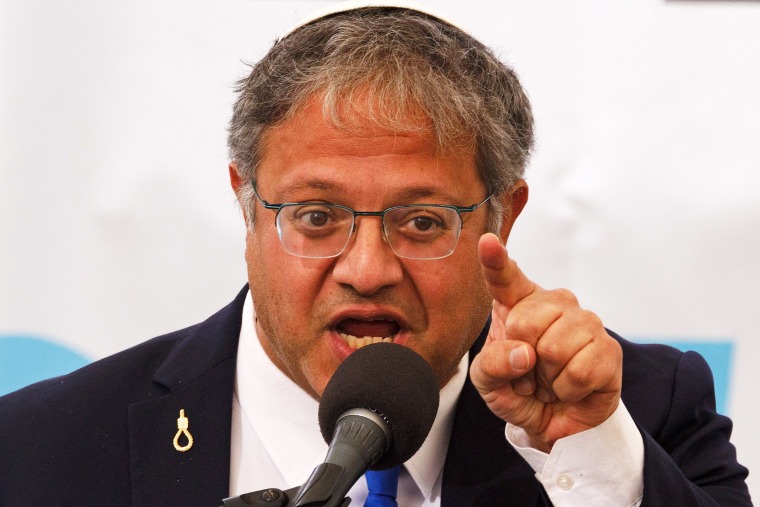
But some of the law’s backers in parliament betrayed a certain macabre zeal for its intent. Some right-wing lawmakers wore gold nooses to Monday’s session. After the bill passed, Israeli National Security Minister Itamar Ben Gvir popped a bottle of champagne as television cameras rolled.
“Soon we will count them one by one,” he said of the executions to come as he poured champagne into his colleagues’ glasses. “From today, every terrorist will know, and the whole world will know, that whoever takes a life, the state of Israel will take their life.”