

Laura Lundquist
(Missoula Current) Conservationists called for the U.S. senators to postpone a permitting bill that has more negatives than positives when it comes to the environment. But their calls fell on deaf ears.
On Monday afternoon, the U.S. Senate voted 73-25 to begin debate on the Bipartisan American Affordability and Jobs Act, or BAAJA. Debate on the bill – S. 5653 – has yet to be scheduled and some anticipate it won’t happen until after Veterans Day.
It was a disappointment for tribes, environmental groups and other activists who don’t want to exchange more rollbacks of environmental laws and community protections for streamlined infrastructure permitting, even if some of the permits are for clean energy projects.
Minnesota tribal spokesman Dallas Goldtooth said the bill’s title has all the right words – bipartisan, affordability, jobs – but it’s wrong because it removes protections that tribal nations use to protect sacred sites and ancestral lands. The bill minimizes public input before a project is built, and then, it eliminates the ability of communities to challenge harmful projects in court.
“The supporters call it a permitting reform – they say it’s going to help build infrastructure faster. Look, we need infrastructure – clean energy, good paying jobs. But why does development always seem to involve making it harder for communities to protect ourselves?” Goldtooth said in a Nov. 8 social media post. “Republicans and Democrats are pushing this bill, talking about eliminating ‘red tape.’ But what exactly is red tape? I’ve got news for you: Our communities are not red tape. Our rights are not red tape.”
BAAJA proponents say more energy generation and transmission lines are needed to bring down high energy costs. To do that, permitting processes need to be streamlined because it takes too long to build large projects. However, that streamlining would weaken protections of the Clean Water Act and the Endangered Species Act, and eliminate the public participation requirements of the National Environmental Policy Act and tribal consultation under the National Historic Preservation Act.
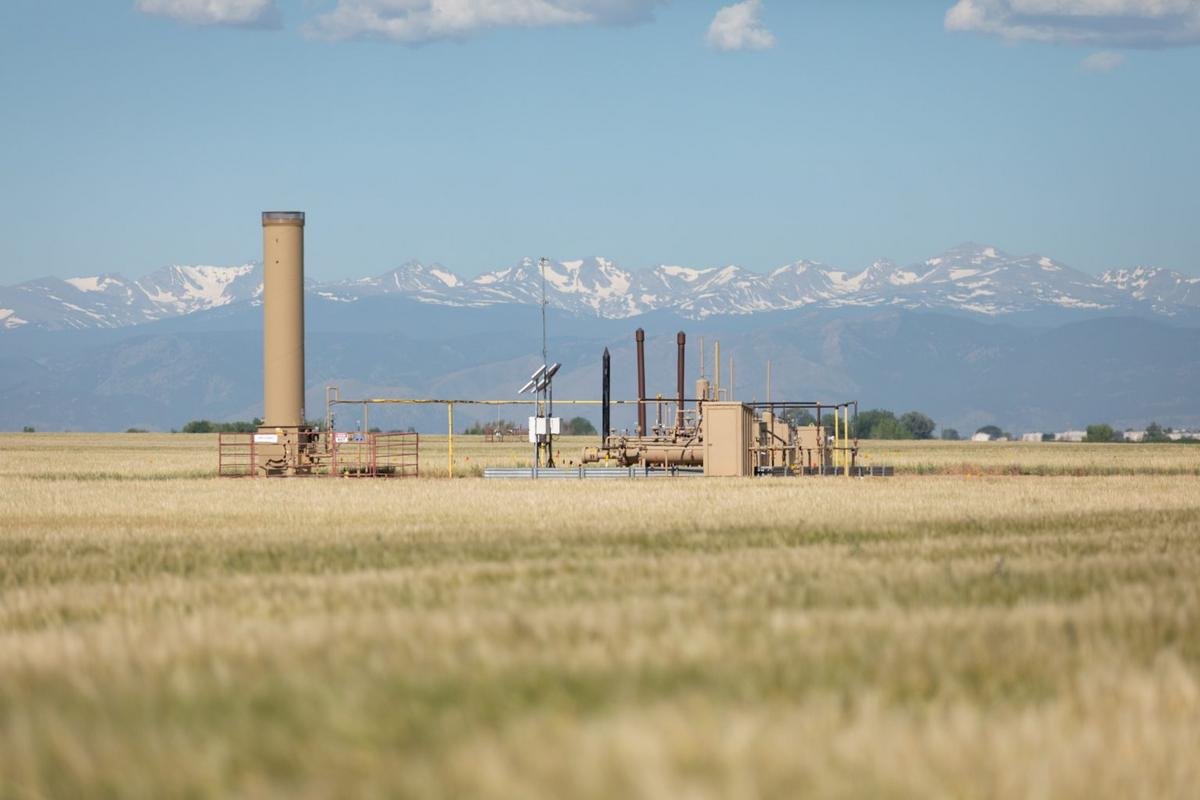
The fossil-fuel industry backs BAAJA because it could also fast-track permits for more fossil-fuel, mining and data center projects. In a Nov. 8 social media post, President Donald Trump said the legislation could “ensure that we can build Pipelines, Mines, and Power Plants faster than ever before.” In a statement Monday, Trump said he wouldn’t approve wind turbine projects.
Supporters say the bill has gone through years of negotiation, but after introducing it on Sept. 30, sponsors are trying to push it through Congress before the end of the year. Seeing that Utah Senator Mike Lee is one of the sponsors caused public land supporters to be wary, because Lee has sponsored a number of bills that would eliminate public land. But Sen. Martin Heinrich, D-N.M., is also a sponsor, and Heinrich has been a staunch supporter of public land issues.
The Confederated Salish and Kootenai Tribes asked Montana’s Congressional delegation to vote “No,” partly because the bill hasn’t gone through the normal Congressional process. It wasn’t heard by the Committee on Energy and Natural Resources before being brought to the Senate floor and it was drafted without input from the Senate Committee on Indian Affairs. The CSKT are particularly concerned with potential changes to the Endangered Species Act, Federal Power Act and Clean Water Act, in addition to the National Historic Preservation Act. Neither Daines nor Sheehy have mentioned BAAJA, but both voted Monday to debate the bill.
“This process lacks transparency and is not the way to legislate policy of such magnitude, particularly with respect to the special relationship between Indian Tribes and the United States. A change to any one of these statutes requires careful and thoughtful consideration regarding how the change will impact the environment and cultural resources, as well as the complex framework of federal, state and tribal jurisdiction,” the CSKT said in their Oct. 7 letter.
Several groups have lobbied Heinrich and co-sponsor Sen. Sheldon Whitehouse, D-R.I., saying the streamlining goes too far and sponsors should withdraw the bill and start over.
The Natural Resources Defense Council praised the intent of the bill, saying new clean energy projects and better power transmission would aid decarbonization of the power industry and help reduce greenhouse gases. However, the Council highlighted language in the bill that could benefit fossil fuel, mining, data centers and other industrial projects more than clean energy.
“The backdrop, of course, is the Trump administration’s nonstop attacks on clean energy projects, tax incentives for clean energy, and climate standards,” the Council said in a Oct. 26 statement. “The Lawmakers should push for tangible evidence that this has changed before voting on the legislation.”
But not all green groups oppose the bill. The Citizens’ Climate Lobby is focused on reducing greenhouse emissions, so unlike the Natural Resources Defense Council, the Climate Lobby said it has no reservations about the bill because most of the new infrastructure that’s proposed are clean-energy projects so permitting needs to move quickly.
On Monday, Heinrich and Whitehouse announced that they’d listened to the public and had written an amended bill that addressed some of the concerns. But that just added calls for the sponsors to go back to the drawing board, with one social media commenter saying “You can’t fix a bad bill with 494 pages of revisions.”
The National Congress of American Indians issued a statement Monday saying the amendments did little to address tribal concerns about reductions to the National Historic Preservation Act.
“Tinkering with these harmful BAAJA provisions does not resolve their fundamental flaws or the cumulative impact on Tribal cultural heritage from BAAJA and the ACHP rulemaking. Tribal sovereignty, meaningful consultation, and the protection of sacred places are not negotiable,” said the tribes’ letter.
The Montana Wildlife Federation also issued a statement Monday saying it appreciated some aspects of the bill but couldn’t support it in its current form.
“Faster permitting and strong conservation safeguards can go together, yet this package gives up the second to get the first. Its changes … put Montana’s rivers, elk and grizzly bear habitat, and public lands at risk of certain and often irreversible harm. The benefits it promises are not guaranteed, and projects built on rushed review are more likely to be poorly sited and short-lived,” said Frank Szollosi, Executive Director of the Montana Wildlife Federation.
The National Park Conservation Association said that even with the amendments, the bill would “seriously jeopardize” national parks, particularly those established to preserve historic sites or those containing critical wildlife habitat.
“The bill’s changes could lock in permits for projects that impact parks without examining their whole impact on all park resources,” the National Park Conservation Association said in a statement. “Limiting engagement from the National Park Service, the public, Tribes and interested organizations may speed up the process, but it silences the people and communities most affected, ignores the knowledge they bring and will ultimately cause any progress to come at a greater cost.”









Leave a Reply