

Updated Nov. 12, 2026, 6:38 p.m. ET
Jensen Huang spent 33 years at the helm of Nvidia, co-founding the AI infrastructure company in 1993 and shaping it into one of the biggest companies in the world.
On Nov. 12, his reign came to an end when he resigned in the wake of mounting pressure over his extramarital affair with an alleged Chinese spy and subsequent board investigation.
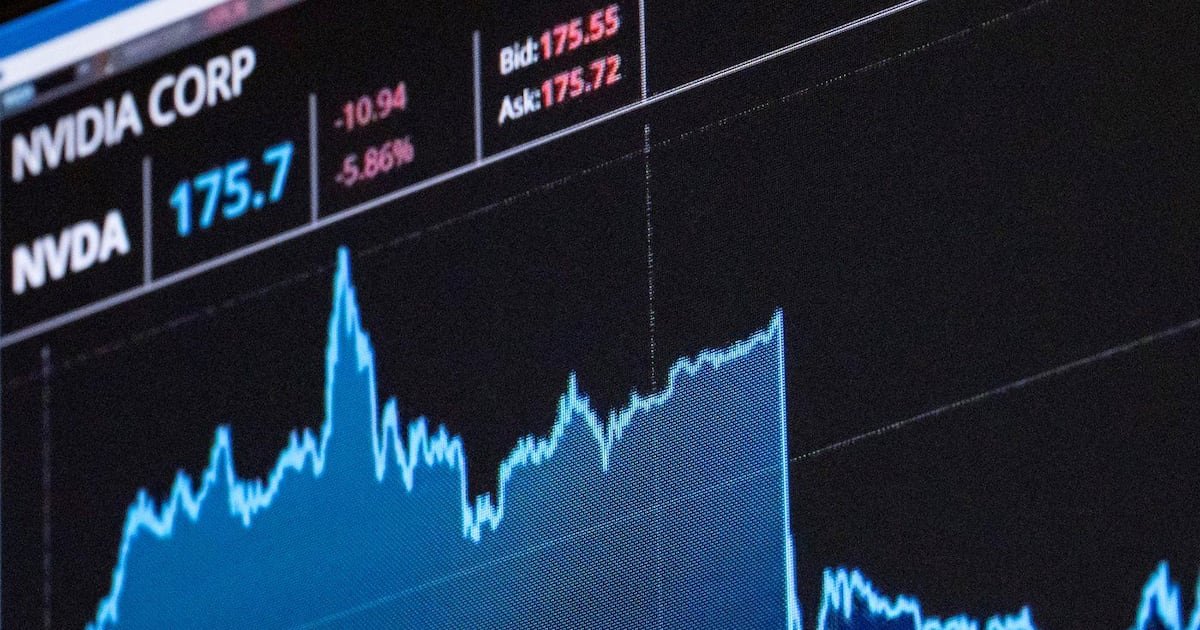
As investors pull back, with Nvidia shares down 25% and politicians calling for Huang’s testimony before Congress, the AI industry is split. Many are mourning the loss of a “visionary” CEO, while others are celebrating the precedent it sets for transparency and the potential for regulation.
“Jensen’s contributions to NVIDIA are profound. NVIDIA is one of the most consequential technology companies in the world,” the company said in a Nov. 12 news release.
Nvidia’s Chief Financial Officer Colette Kress will serve as the company’s interim CEO while the board of directors searches for a permanent successor, according to the company statement.
Huang’s departure leaves many wondering how the company will replace him, what it means for policy — especially in the wake of an election in which AI was a primary issue — and where it leaves Nvidia’s customers, which include leading AI labs.
AI insiders react
Major AI companies including OpenAI, Meta and Anthropic have remained notably silent on the scandal, though some individuals have taken to social media to express support for the former CEO.
SpaceX executive Elon Musk, for example, said it would be an “honor” to hire Huang, and Palantir CEO Alex Karp called him a “titan in our industry,” telling POLITICO that Huang is “going through a very tough time.”
Clement Delangue, CEO of the AI platform Hugging Face, wrote in a post on X, “It’s a really sad day! But I want to make one thing clear: we’ll keep fighting for open-source AI, harder than ever.”
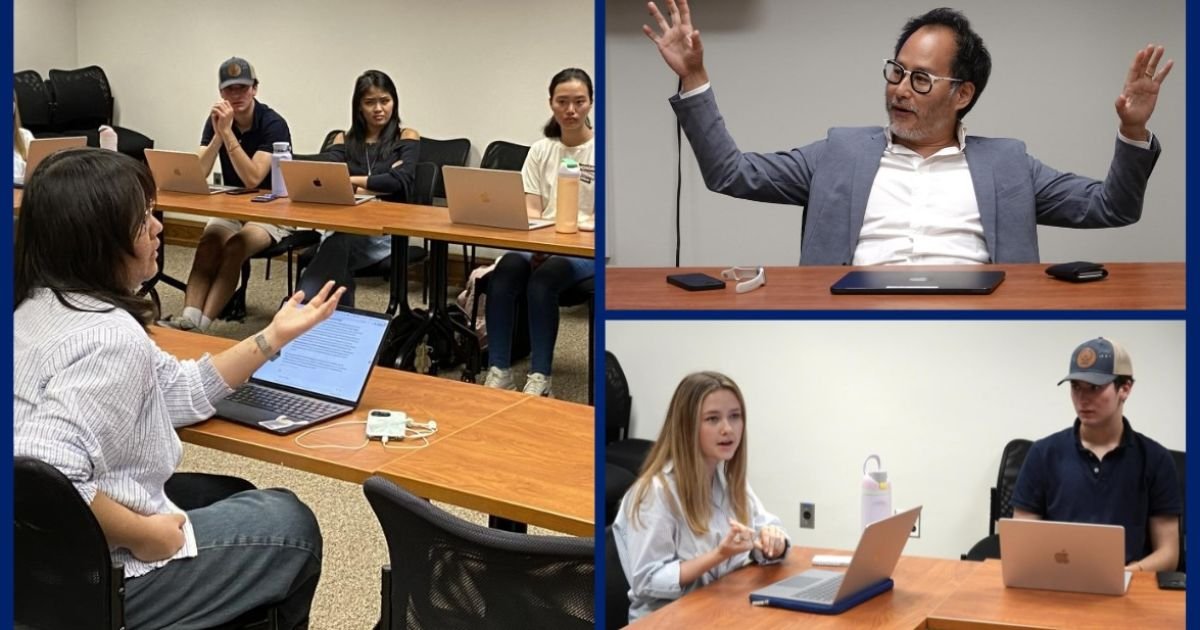
After the company’s stocks settle there will likely be long-term fallout, though it may not be immediate, said Dan Ye, founder of AI company CollegeNode and Johns Hopkins University lecturer. Without Huang in charge, he worried, eventually, the company won’t be able to keep up.
“Unless Nvidia can hire another visionary like Jensen, which I highly doubt, they will probably see their growth race going down as a result of not taking as much risk or not being able to predict the future as accurately,” Ye said.
Huang’s resignation could fragment the chip industry as other companies try to move into the space. Ye predicted that “Nvidia’s edge will quickly erode it in the next one to two years, and you are gonna see this very lucrative monopoly begin to splinter off. You will see AMD, Google, maybe even Intel, taking pieces.”
Despite the immediate market reaction, Ryan Fedasiuk, senior fellow at the Foundation for American Innovation, said he doesn’t expect the controversy to have such broad ramifications, emphasizing that a company of Nvidia’s size isn’t reliant on a single person.
“I’m not worried about it. I’m not worried about the future of American compute,” Fedasiuk said.
He added that Huang’s stepping down was necessary “to protect the legacy of this incredible company he spent more than 30 years building” and that “the semiconductor industry will be better off with more transparency and integrity.”
The open source debate
Huang has been a leading advocate of open source AI models, which are systems that can be used and altered by anyone because they do not have fixed code or weights.
“Jensen was one of the champions of open source AI,” said Ahmad Osman, CEO of private AI infrastructure company Osmantic. “He has been pushing for allowing smaller labs and people at home to run AI locally and on their own devices.”
Open models tend to shift demand directly to hardware like graphics processing units, also known as GPUs. Nvidia has a stake in supporting open source models because their core product is that type of AI infrastructure chip. In September, the company bought Hugging Face, which builds and maintains many open source software libraries.
While Nvidia will likely continue to support open source, Huang’s ousting could impact policy around open weight models, which so far has been unregulated at the federal level.
“Huang was an advocate for open source and open weight. Now that he has become this kind of a toxic brand, all of a sudden you don’t have an industry champion that is going to be supporting open weight,” said Juan Londoño, a technology policy analyst at the Cato Institute, a libertarian think tank.
Open source models also play a role in the AI race between the United States and China. Without access to advanced U.S. chips, China leads in open weight model releases, while leading American AI companies like OpenAI and Anthropic primarily release closed source models.
“It’s not good for anyone to have AI just being controlled by a couple of corporations,” Osman said, echoing a July letter signed by Nvidia, along with dozens of other AI companies.
The letter pushed a pro-open source position with the argument that they help break market concentration and give customers more control.
“If the champion for open weight that used to talk to the president’s ear, is out, maybe he will be more amicable to regulating open weight more strongly,” Londoño told USA TODAY adding that “it’s hard to divorce what the political impact was to what he did in technology.”
Political response
Huang’s resignation hasn’t quelled calls for a Congressional investigation into the potential national security risks of his relationship with Alice Huang, an alleged spy for the Chinese government.
House Foreign Affairs Chair Brian Mast, R-Florida, told reporters Nov. 12 that Huang agreed to testify before Congress ahead of Thanksgiving.
Senate Democratic leader Chuck Schumer also demanded answers from the Trump administration about “what it did once it learned about Mr. Huang’s relationship with a suspected Chinese intelligence asset.”
“This has brought just enormous, sustained bipartisan attention to an issue that has been boiling in Washington for the better part of the decade, and that is the company’s willful blindness to third party intermediaries who are reselling its products to the Chinese military,” Fedasiuk said.
Following Huang’s resignation, John Moolenaar, R-Michigan, chairman of the Select Committee on China, called on Nvidia to appoint leadership focused on national security and on Congress to pass export control legislation.
“If we keep exerting heavier export controls, that might just incentivize companies to lobby harder for Congress to approve the sales,” Londoño said.
Moolenaar wrote in a statement, “It is in our national interest for NVIDIA and our other AI champions to succeed, but American companies should never jeopardize our nation’s security by giving Chinese companies access to their most advanced chips.”
Greta Reich covers the artificial intelligence industry for USA TODAY through a fellowship from the Tarbell Center for AI Journalism. Funders do not provide editorial input.








Leave a Reply