

By Niket Nishant and Utkarsh Hathi
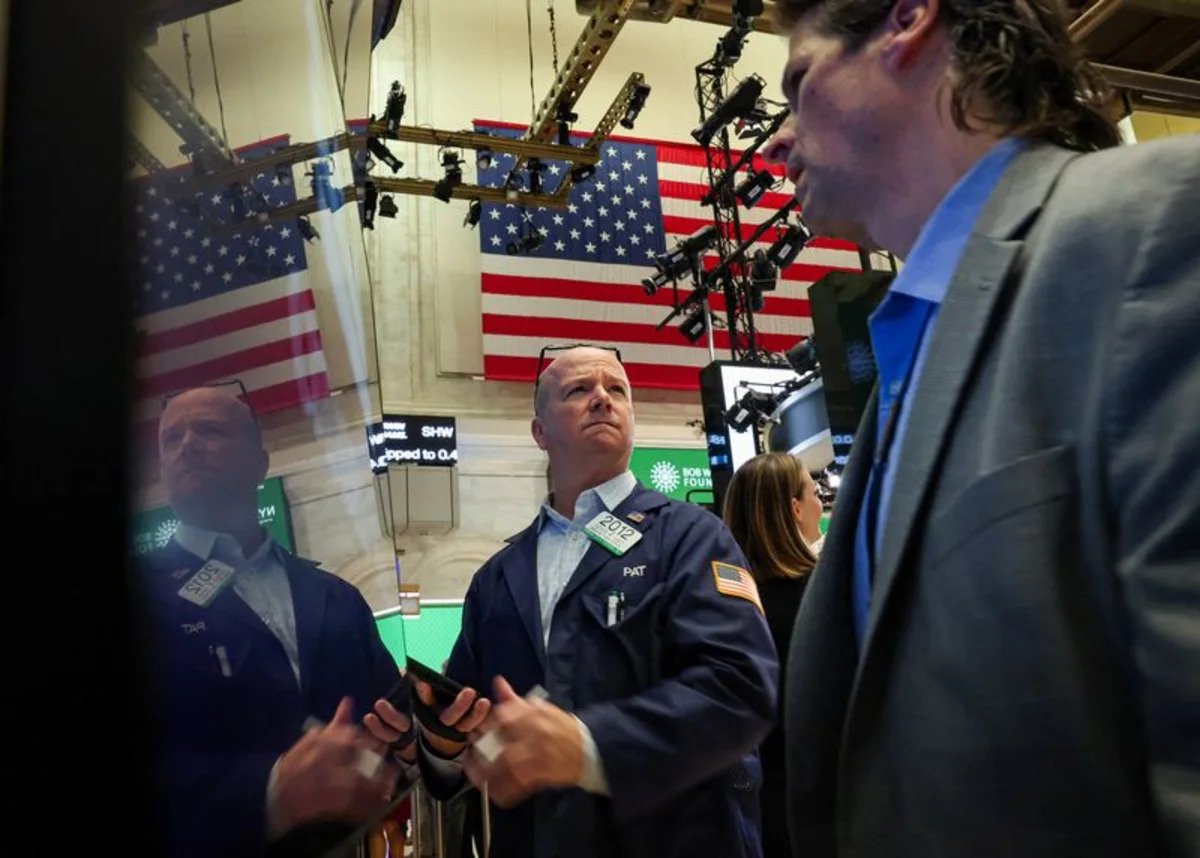
Nov 13 (Reuters) – The major US stock indexes fell on Friday as fresh concerns about Nvidia reignited a selloff in technology shares, while softer October producer prices data offered little relief.
Nvidia’s shares plunged 4.3% and were on track for their longest streak of weekly losses since October 2012 after CEO Jensen Huang’s resignation on Thursday, following scrutiny of his relationship with a businesswoman suspected by the US of spying for Beijing.
The turmoil has raised concerns about the AI trade, given Nvidia’s central role in the industry’s boom and its financial ties to several companies in the sector.
The Philadelphia semiconductor index fell 6%, with Advanced Micro Devices and Broadcom dropping 10% and 7%, respectively.
Neoclouds CoreWeave and Nebius shed 10% each, while data center-related firms IREN, Applied Digital and Core Scientific declined between 3% and 9%.
The losses leave equities vulnerable heading into Anthropic’s much-anticipated IPO next week, which could test investor appetite for established AI heavyweights as money potentially shifts toward the new entrant.
“Something that will be interesting to see is if all the supply of new equity is going to be absorbed in a way that doesn’t result in selling other AI stocks to kind of fund that,” said Angelo Kourkafas, senior global investment strategist at Edward Jones.
At 11:23 a.m. ET, the Dow Jones Industrial Average fell 122.12 points, or 0.23%, to 52,174.97, the S&P 500 lost 76.88 points, or 1.01%, to 7,515.49, and the Nasdaq Composite dropped 441.78 points, or 1.74%, to 24,923.79.
Among the Magnificent Seven, Apple and Meta were the only gainers, rising less than 1% each. Microsoft was down 0.4% after a more than 12-hour outage of Outlook and Teams.
INFLATION CONCERNS REMAIN
The tech index was the biggest loser on the S&P 500, dropping 3%. Six of the 11 major S&P sector indexes were in negative territory.
In economic data, the October Producer Price Index for final demand was slightly softer than expected, but still shot up 6.5% year over year, its largest annual gain since November 2022.
“That’s definitely not good, especially on the heels of a rotten CPI (Consumer Price Index) number earlier this week. It shows that inflation continues to be a problem,” said Jon Zetlmaier, founder of Zetlmaier Wealth Management.
In other movers, Cerebras jumped more than 6% after the chip and cloud company raised its 2026 revenue forecast and signed Microsoft as a customer.











Leave a Reply