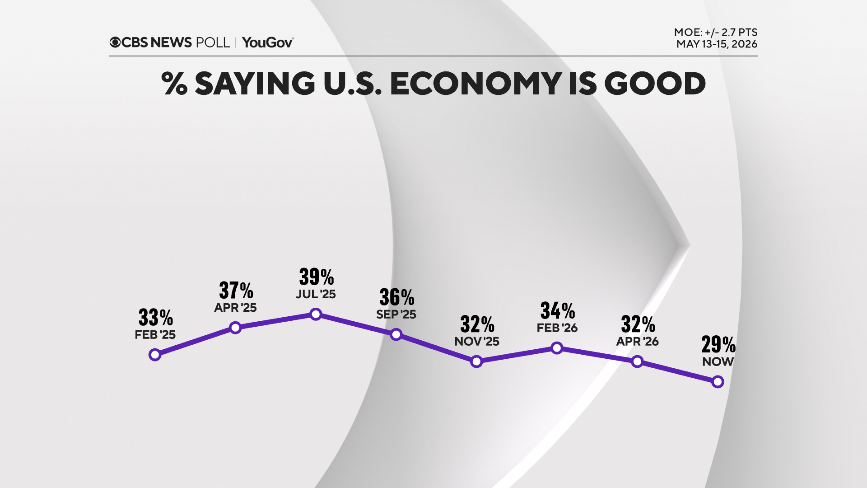
Big numbers of Americans are concerned and stressed about finances, and feelings of being secure and content about them are down from this time last year. It’s all part of increasingly bad views of the U.S. economy.
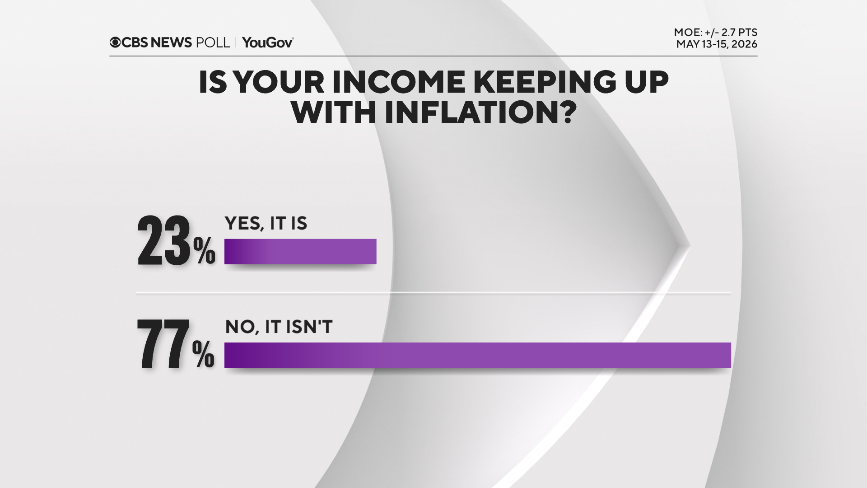
Those ratings, which have long been low, have slid even lower — to levels not seen since 2023. Three-quarters say incomes aren’t keeping up with inflation.
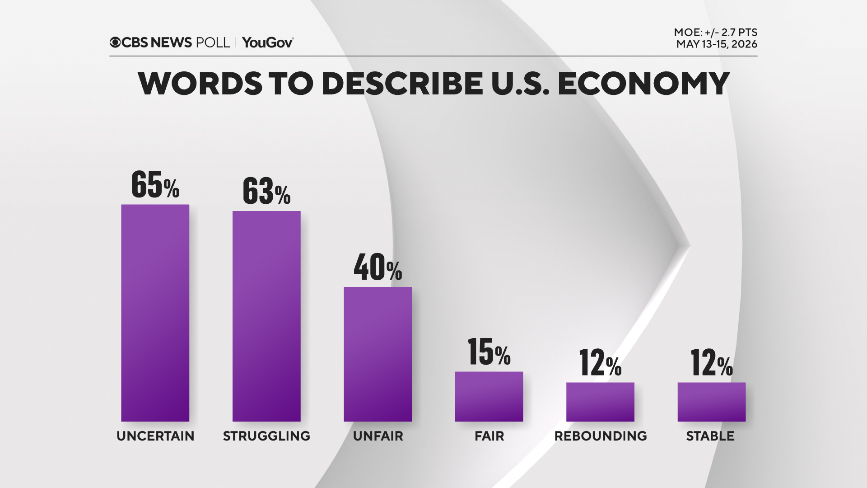
Americans also describe the economy as “uncertain” and that speaks to both short and long-term concerns.
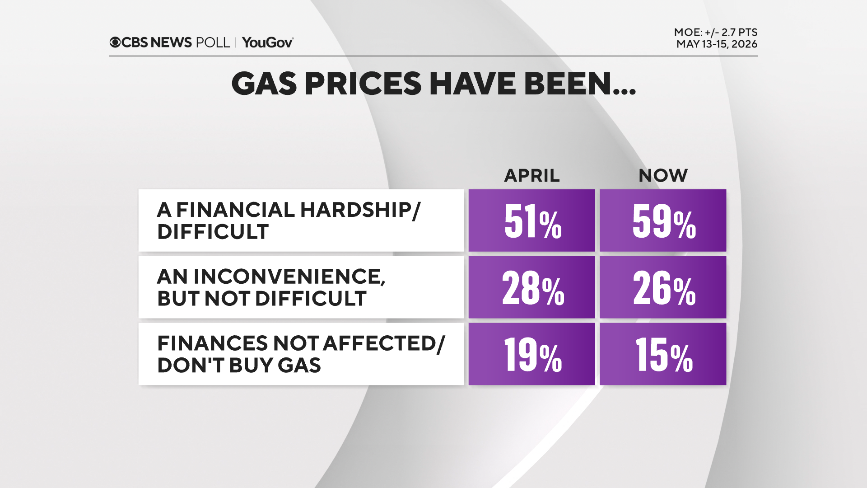
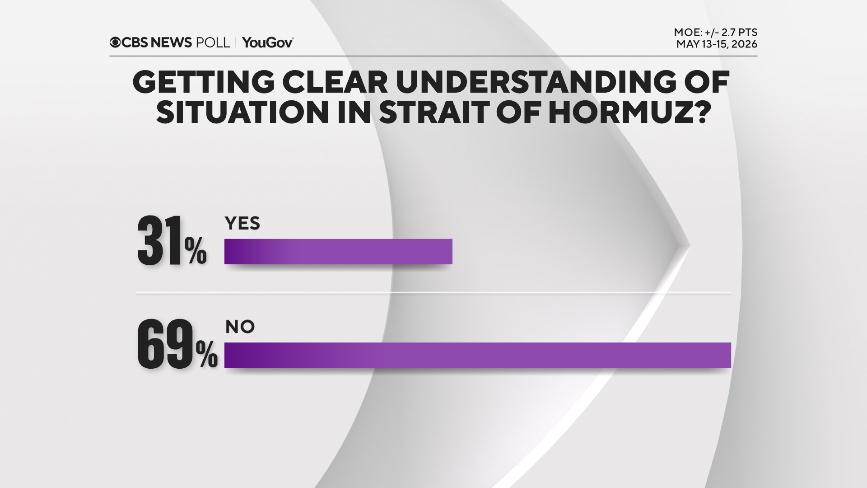
Most immediately, as they say gas prices are increasingly weighing on them, people don’t feel there’s clarity on what’s happening in Iran or day to day in the Strait of Hormuz.
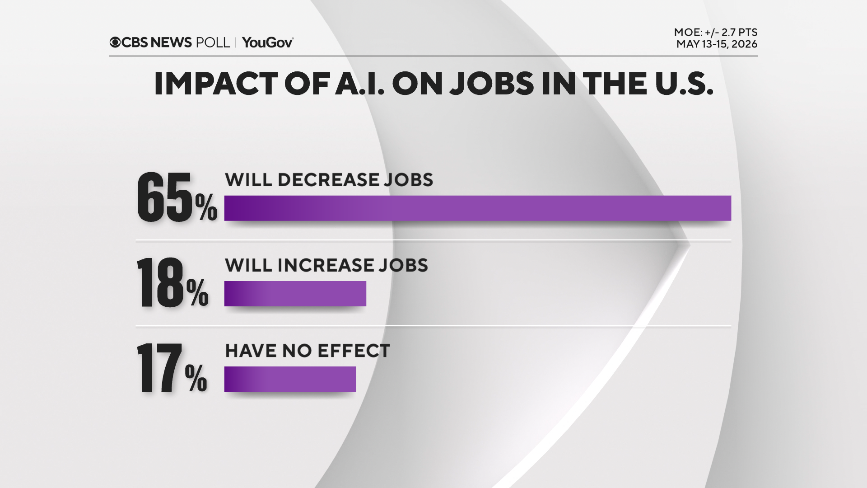
More broadly, there’s frustration with President Trump’s economic approach; neither party is net-positive on its helping with the cost of living; and there’s plenty of worry that AI will take jobs, too.
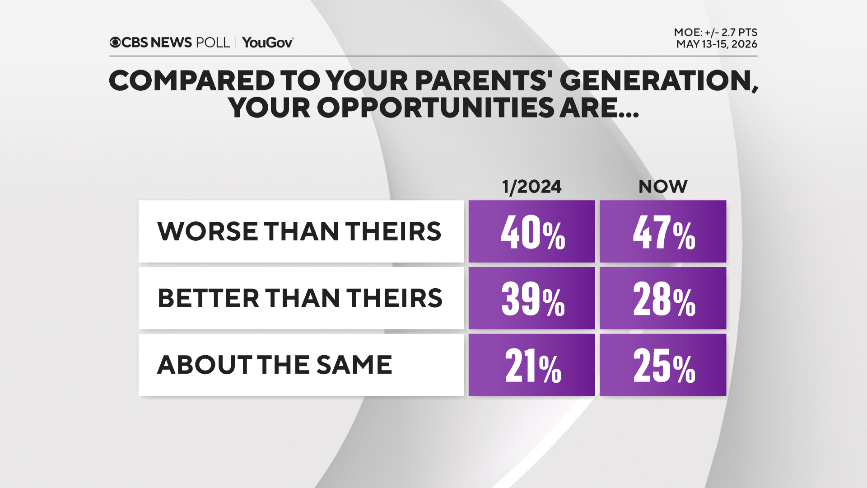
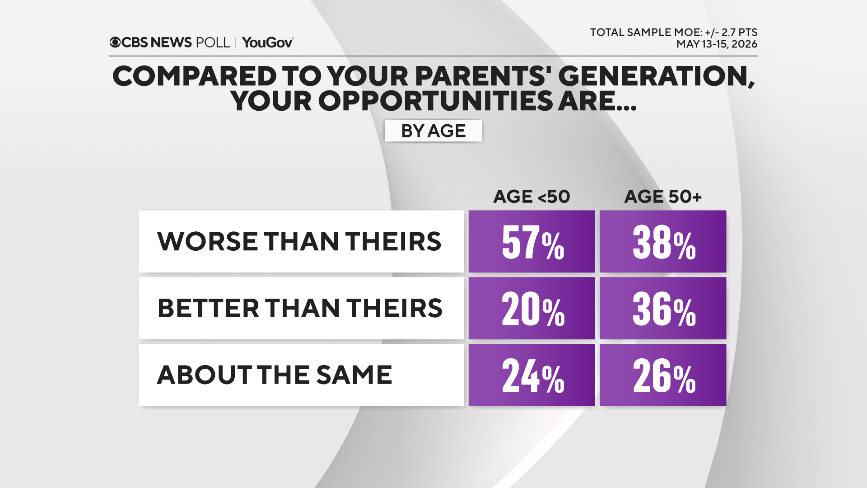
A growing number feel opportunities are worse for them than for their parents’ generation.
Iran
One reason so many describe the U.S. economy as uncertain is that with Iran conflict impacting gas prices, most Americans feel they aren’t getting a clear understanding of what’s happening day to day in the Strait of Hormuz.
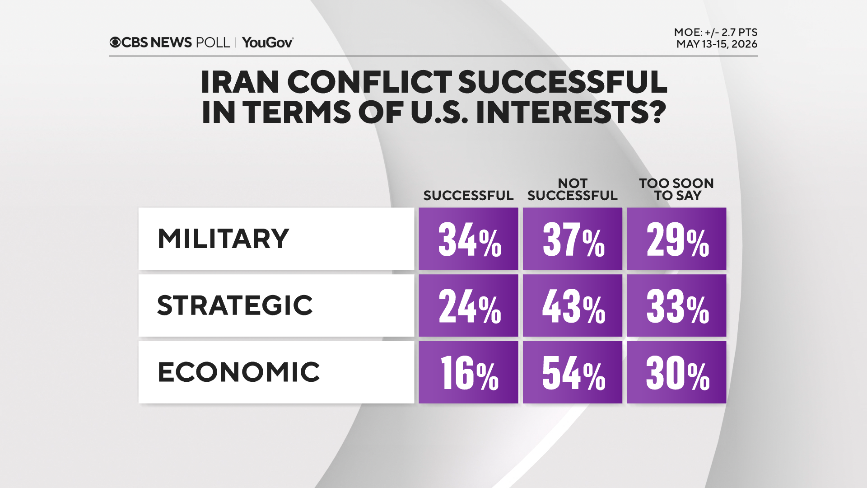
And so far, most don’t think the conflict has helped U.S. economic interests.
Perceptions of military success are comparatively higher. But many say it’s too soon to say, and it is mixed at best on whether it is advancing U.S. strategic interests, too.
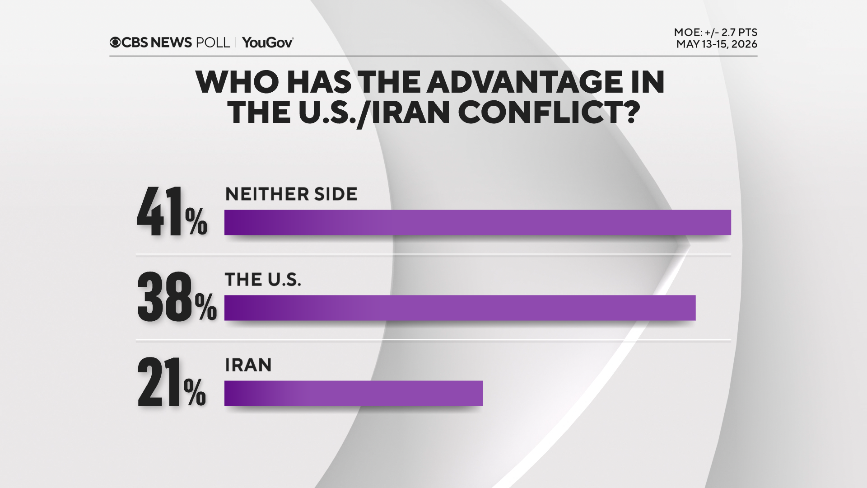
And that fits in with the mixed perception of who has the advantage overall right now, with many saying neither side.
President Trump
Mr. Trump is paying some political price for all of this.
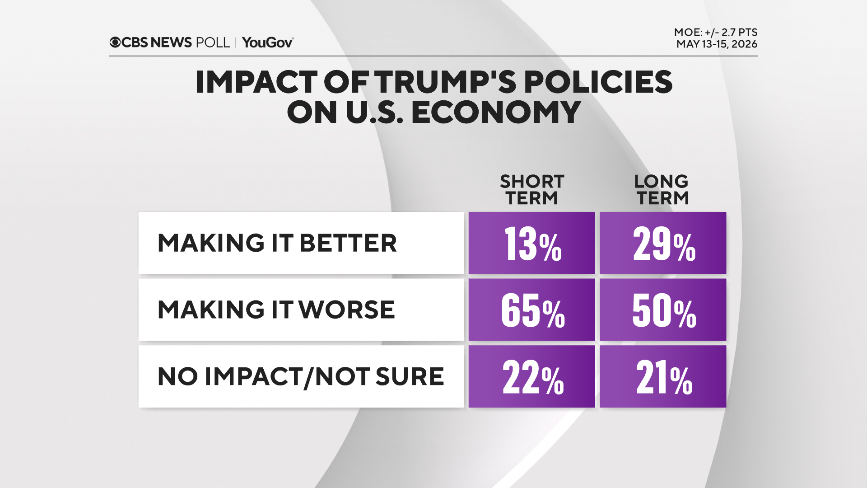
First, two-thirds of the country say the president’s policies are making the economy worse, at least in the short term. Some in the administration have urged patience, but there’s only relatively more optimism that his policies will make it better in the long run.
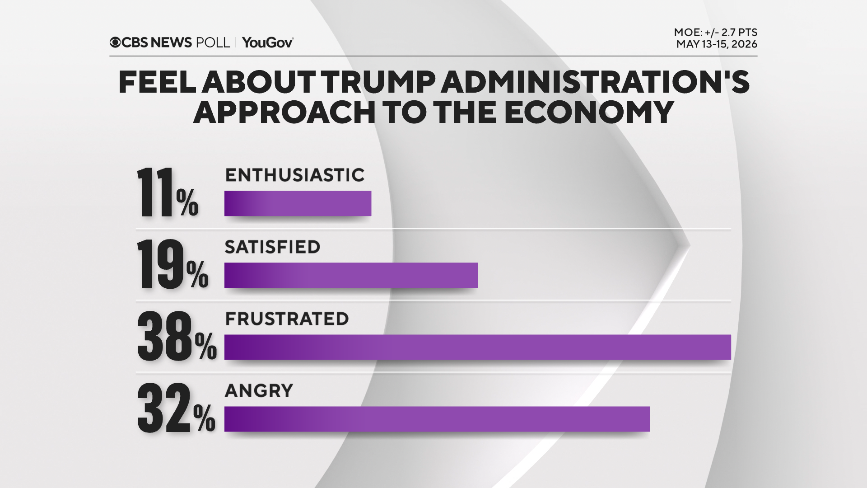
Most Americans describe their feelings about the administration’s economic approach as either “frustrated” or “angry.”
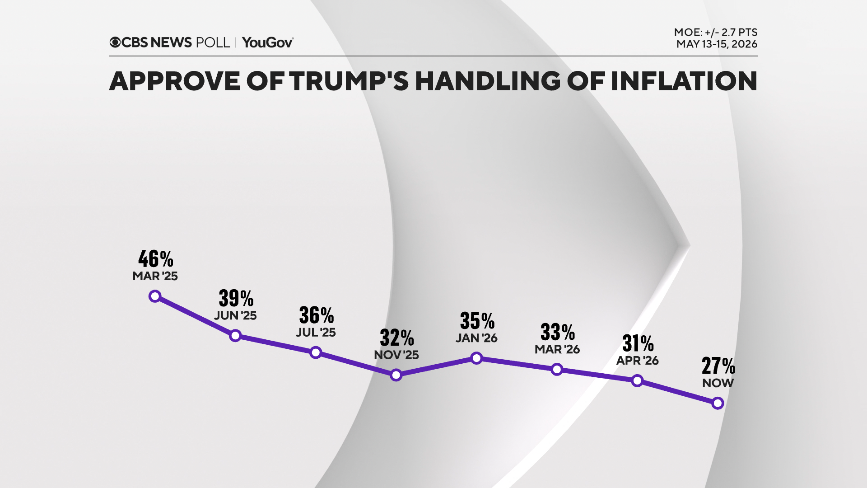
So, his ratings for handling the economy and inflation continue to slip.
Even among Republicans — who still give him great marks on other fronts — his ratings for handling inflation have been declining, especially since the Iran conflict and rise in oil prices.
The third of Republicans who do give him negative marks on inflation say they’re “frustrated” rather than “angry” about his administration’s approach to the economy.
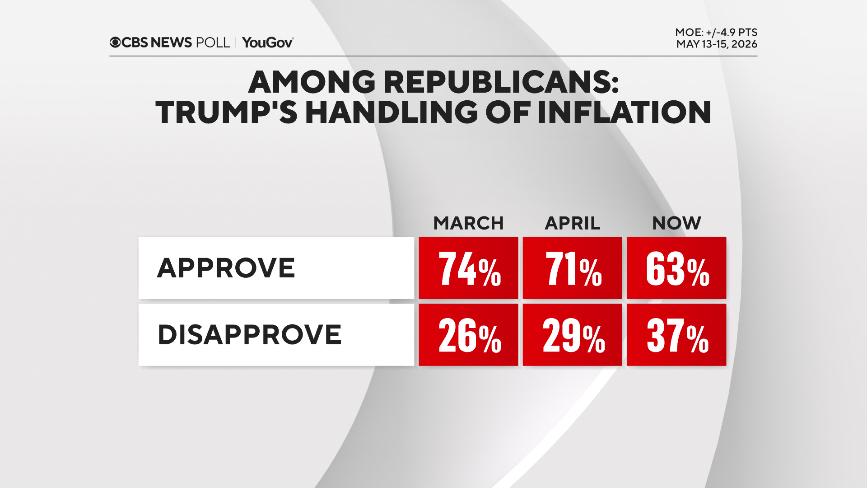
There’s now a substantial gap between the marks Republicans give the president on immigration (89%), or overall (85%), and those on inflation (63%) specifically.
And the president’s overall approval has ticked down again, too, now at its lowest level of his second term.
Politics
Many Americans don’t see an answer from the Democrats either.
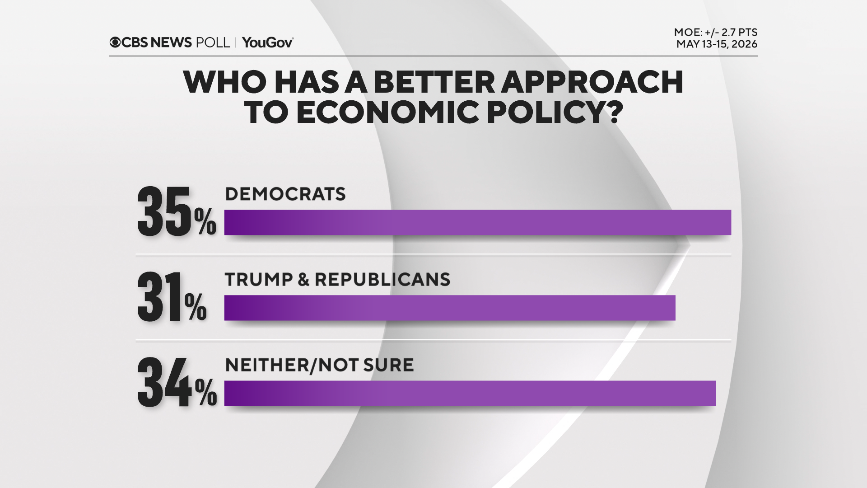
Neither party is seen by a majority as helping with the cost of living, though they give the relative edge to Democrats here.
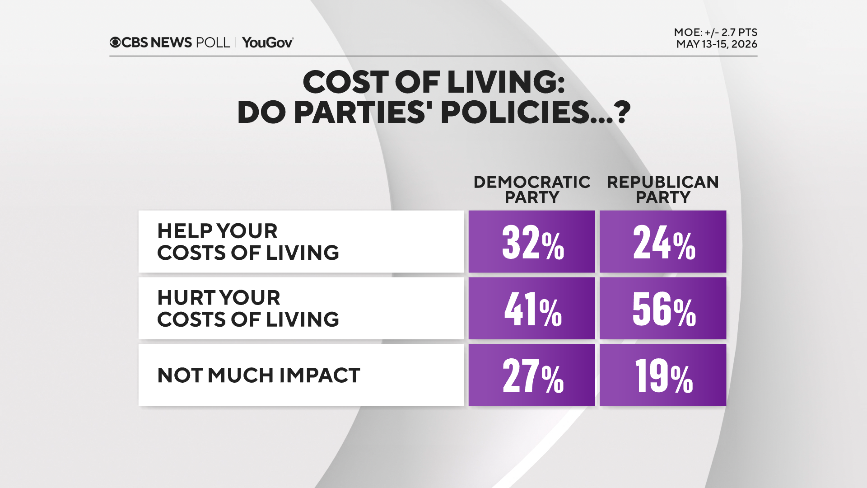
For all of the above troubles for Mr. Trump, the Democrats aren’t seen as much better in their approach to economic policy. There’s a sizable third who think neither side has the better one, or they are not sure.
Looking ahead
There’s plenty of other uncertainty in the economy, too. Most worry that finding a job they would want would be tough.
And most people worry that AI will take jobs.
Going forward, the outlook for the U.S. economy is tilted toward pessimism, with most expecting either a recession or slowdown.
That all comes against the backdrop of an economy that most describe by picking the word “uncertain” among a list of descriptors, and one in which more use the term “unfair” than “fair.”
That pessimism about the economy is making people — especially Americans under fifty — feel worse about their opportunities than their parents’ generation.
This CBS News/YouGov survey was conducted with a nationally representative sample of 2,064 U.S. adults interviewed between May 13-15, 2026. The sample was weighted to be representative of adults nationwide according to gender, age, race, and education, based on the U.S. Census American Community Survey and Current Population Survey, as well as 2024 presidential vote. The margin of error is ±2.7 points.