

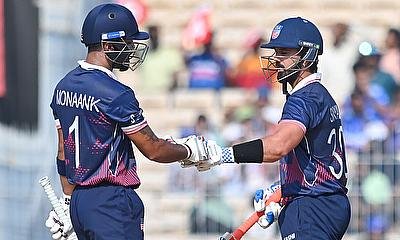
On 6 June 2024, Saurabh Netravalkar defended 18 runs in a super over at Grand Prairie Cricket Stadium in Texas and the United States beat Pakistan at a T20 World Cup. The next day, at the Nassau County International Cricket Stadium in New York, Canada beat Ireland by 12 runs for their first win at the tournament. Neither result had been planned by anyone, and that is exactly why both are still talked about.
Not every sport can say the same. Professional wrestling has spent decades perfecting the underdog story, building characters over months so that a single victory lands with maximum force, and Fightful has looked at how professional wrestling builds a believable underdog in exactly those terms. Cricket’s upsets work the other way round. Nobody books them, nobody can guarantee the payoff, and most of the time the favourite wins.
Upsets nobody could have written
The template is Ireland in Bangalore at the 2011 World Cup. Chasing 328 against England, they were heading for a comfortable defeat until Kevin O’Brien reached a hundred from 50 balls, then the fastest in World Cup history, and finished with 113 from 63 as Ireland won with five balls to spare. No writer would have dared to give the part to a middle-order hitter from an associate nation, which is a large part of why it still resonates.
The 2024 tournament produced two more. The USA tied Pakistan on 159, with captain Monank Patel making 50 from 38 balls, before Netravalkar held Pakistan to 13 in the super over. A day later Canada made 137 for seven, built around Nicholas Kirton’s 49 from 35 balls and 37 from Shreyas Movva, and then watched George Dockrell and Mark Adair add 62 for Ireland before falling 12 runs short. Neither win came from a carefully plotted arc. Both came from a handful of overs in which the weaker side simply played better.
How rare a real upset is
Sports Illustrated’s betting data team recently measured how often underdogs actually win across five North American leagues over ten seasons, from 2016 to 2026. Its method was simple: count the games in which a team was listed as the pregame underdog, then work out how many of those it won. The best record belonged to the Kansas City Chiefs, who won 66.67% of the time (20 wins, nine defeats and a tie), but only from 30 such games. The Baltimore Ravens won 61.9% and the Pittsburgh Steelers 60%.
Outside the NFL, the numbers fall sharply. Baseball’s best underdog, the Houston Astros, won 51.3% of the time, and the Milwaukee Brewers won 49.5% across more than 700 games as underdogs. In the NBA, the Boston Celtics led the way at just 43%, 92 wins from 214 games. Those are the most resilient underdogs in each sport across a decade, and most of them still lose about as often as they win. inkl carried a broader look at the teams you should never write off drawn from the same decade of data, and the lesson cricket fans will recognise is that a team which wins as an outsider is the exception rather than the rule. For an associate side facing a full member, the gap is usually wider still.
Sports Illustrated pairs research like this with coverage of the betting market itself, from individual operators to the offers they attach to their prices. Its guide to the stake promo code for Canadian players, for example, sets out the welcome offer and the conditions that come with it. None of that changes how often an associate side beats a full member. It does underline what the underdog label really is, though: a price set before a ball is bowled, a judgement on how unlikely an upset should be, and the reason cricket remembers the days when that judgement turns out to be wrong.
Canada’s story is still being written
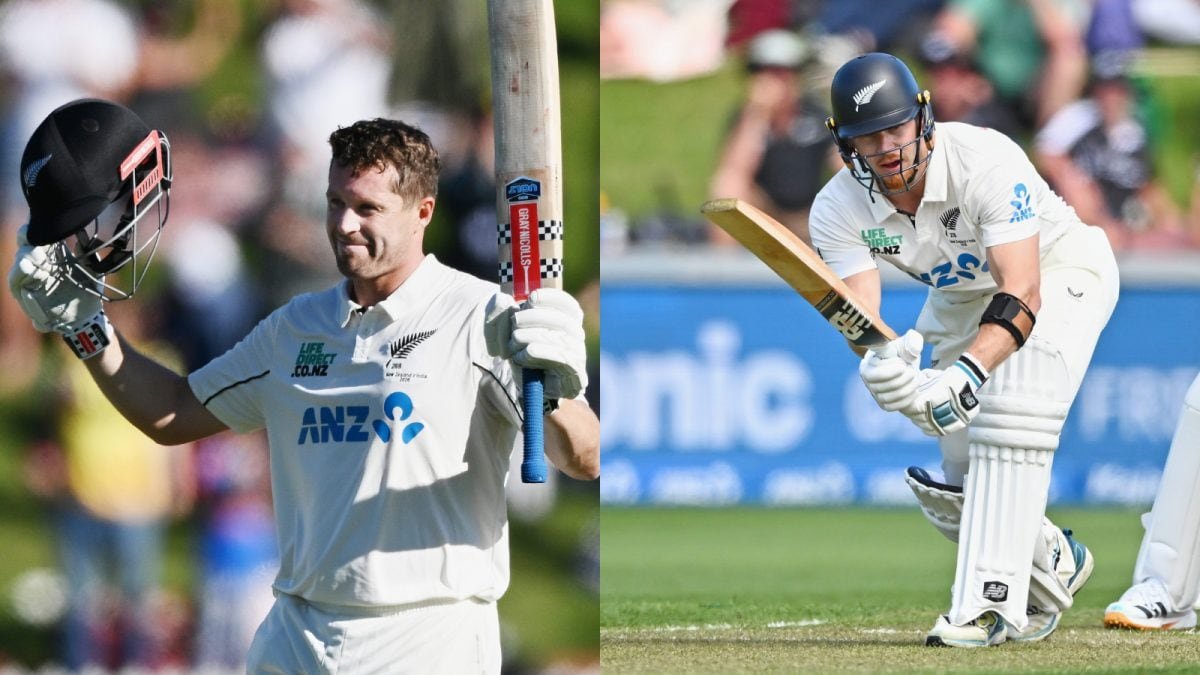
Canada’s second T20 World Cup, held in India and Sri Lanka earlier this year, showed the other side of that. They lost to South Africa by 57 runs, to the UAE by five wickets and to New Zealand by eight wickets. The New Zealand game in Chennai contained the most remarkable individual performance of Canada’s tournament, Yuvraj Samra’s 110 from 65 balls in a total of 173 for four, and it still was not enough. Glenn Phillips and Rachin Ravindra knocked off the runs with nearly five overs to spare. A scripted sport would have let Samra’s hundred win the match. Cricket did not.
That is the point wrestling cannot borrow. A booked underdog can be guaranteed a moment; a real one gets nothing it does not take. Ireland in 2011 and Grand Prairie in 2024 are remembered because nobody could promise they would happen, and whenever Canada next beats a bigger nation, it will matter for the same reason.



Leave a Reply