

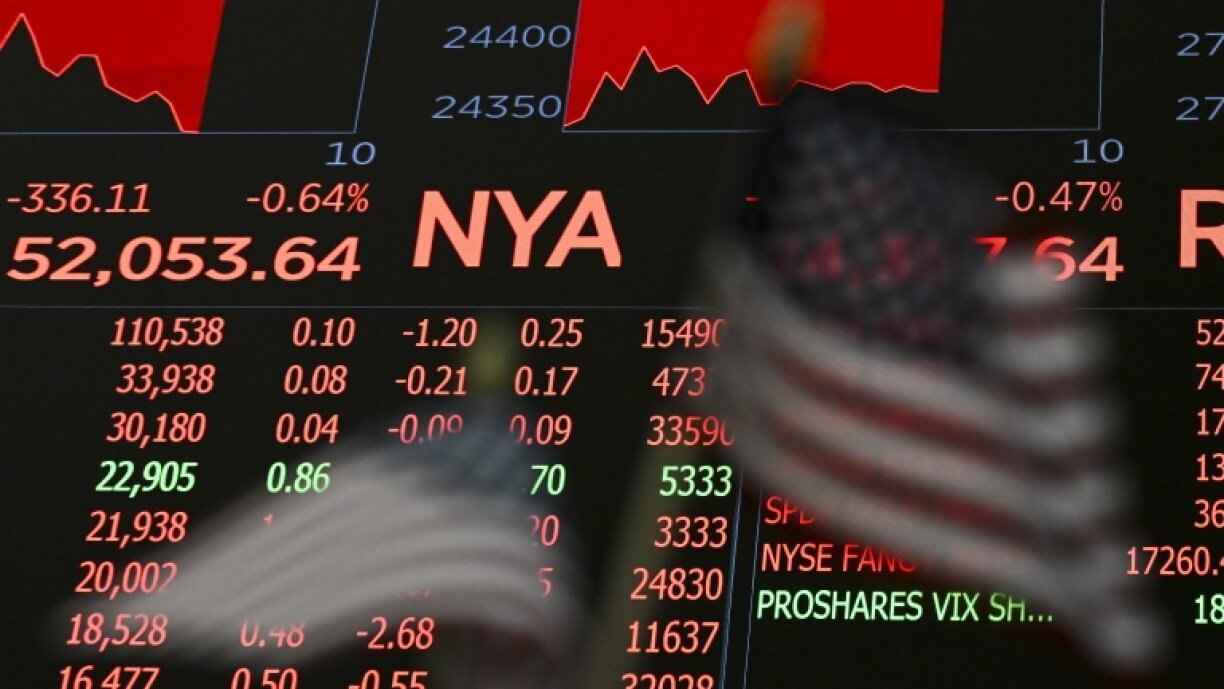
Although the AI industry has been the darling of Wall Street for years, the sector now makes investors wince as it reckons with a wave of concerns over dizzying spending and its promise to make the technology profitable.
The tech-heavy Nasdaq index was indicative of this shift after plummeting 5.28 percent on Friday, wiping out all gains it had recorded since the start of the year.
“Markets were euphoric” about AI but “there’s a huge repricing going on right now,” Steve Sostick, a financial analyst with Interactive Brokers, told AFP.
The so-called “Magnificent Seven” tech stocks largely driving the market — Nvidia, Microsoft, Google, Apple, Amazon, Meta and Tesla — have seen their combined market capitalization fall by more than $4 trillion in the past month-and-a-half, according to an AFP analysis based on Bloomberg data — a decrease larger than the annual GDP of France.
“You have a situation now where the bubble already deflated…The question now is how far down will it go?” Adam Sarhan, head of the financial platform MarketTerminal.com, told AFP in an interview.
– US midterms and Nvidia controversy –
While the trajectory of stock markets is never linear, the setbacks have piled up on tech darlings this month.
First, US midterm elections dominated by Democrats “really turned the tide, as it told us that American voters are not fans of artificial intelligence,” Sostick said, referencing the many local ballot box measures restricting data centers.
Second, the biggest company in the semiconductor industry, Nvidia, has seen its longtime chief Jensen Huang resign over multiple extramarital affairs, including one with an alleged Chinese spy who may have funneled restricted chips to that country.
With the chip market being so key to the AI industry, the disruption has had widespread ripple effects in the stock market.
– Looming debt –
“The AI investment boom has gone from a promising technology story to a capital markets extravaganza,” said Stephen Innes, a manager at SPI Asset Management, with billions of dollars spent to develop the technology.
But as spending has ballooned, so has debt — and profits have yet to match.
“As the capital needs grew, we started to see investors question how profitable all these investments might be, whether all this money was being spent wisely…the market hadn’t been really asking these questions before,” Sostick said.
“It seems absurd to ask people to invest money and not have a real sense of what’s going to be the return on that investment,” he added.
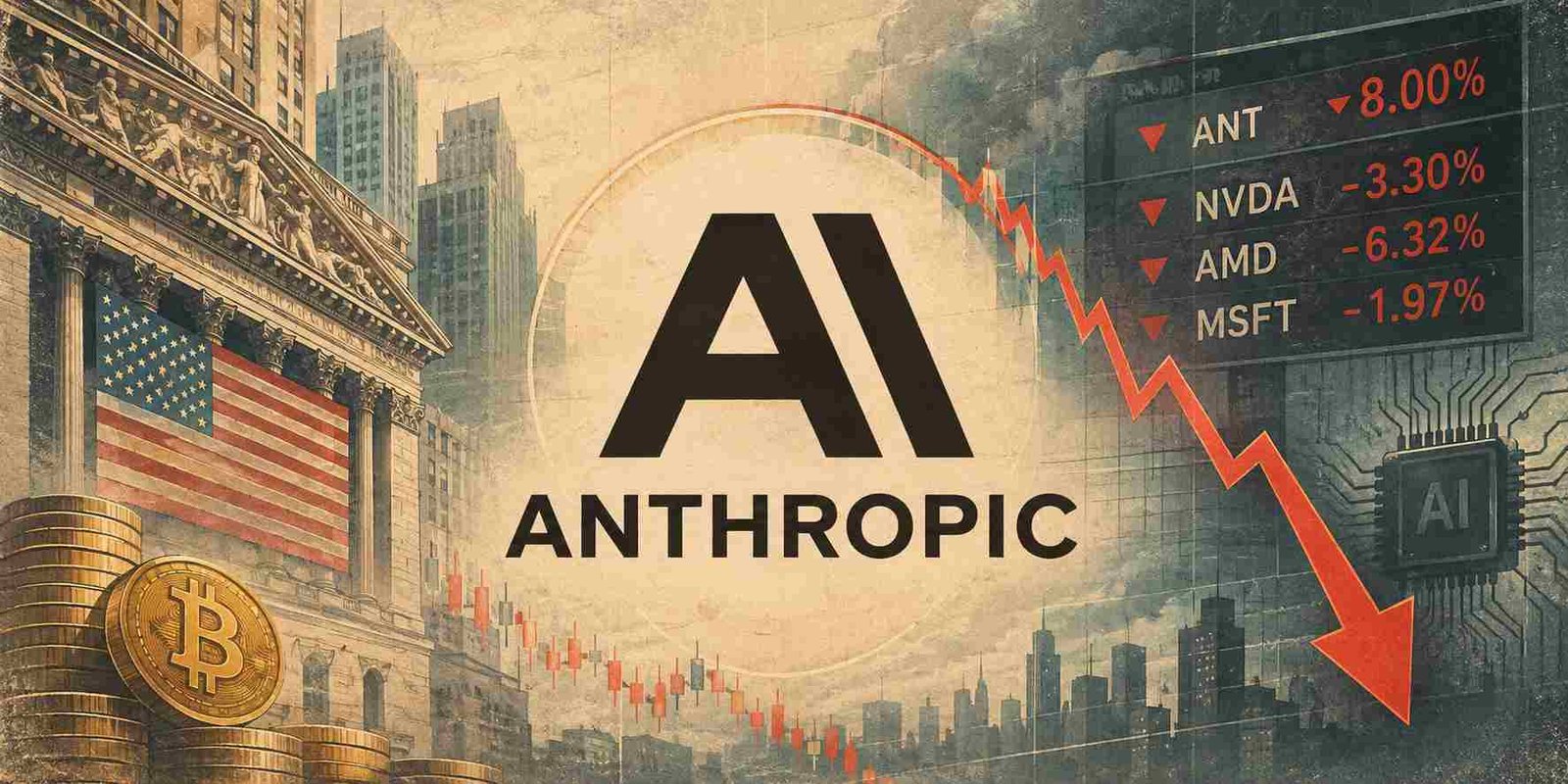
AI giant Anthropic, maker of Claude AI software, made its stock market debut Thursday, raking in an eye-watering $91 billion.
However, even with such a windfall, the company has acknowledged that its financing needs could require it to borrow money in the future.
“The opaqueness of AI-related debt is further compounded by circular links in the form of mutual commitments and interlinked ownerships between firms in the AI supply chain,” the European Central Bank warned in a recent report.
tmc-ni/myl/jgc/msp














Leave a Reply