

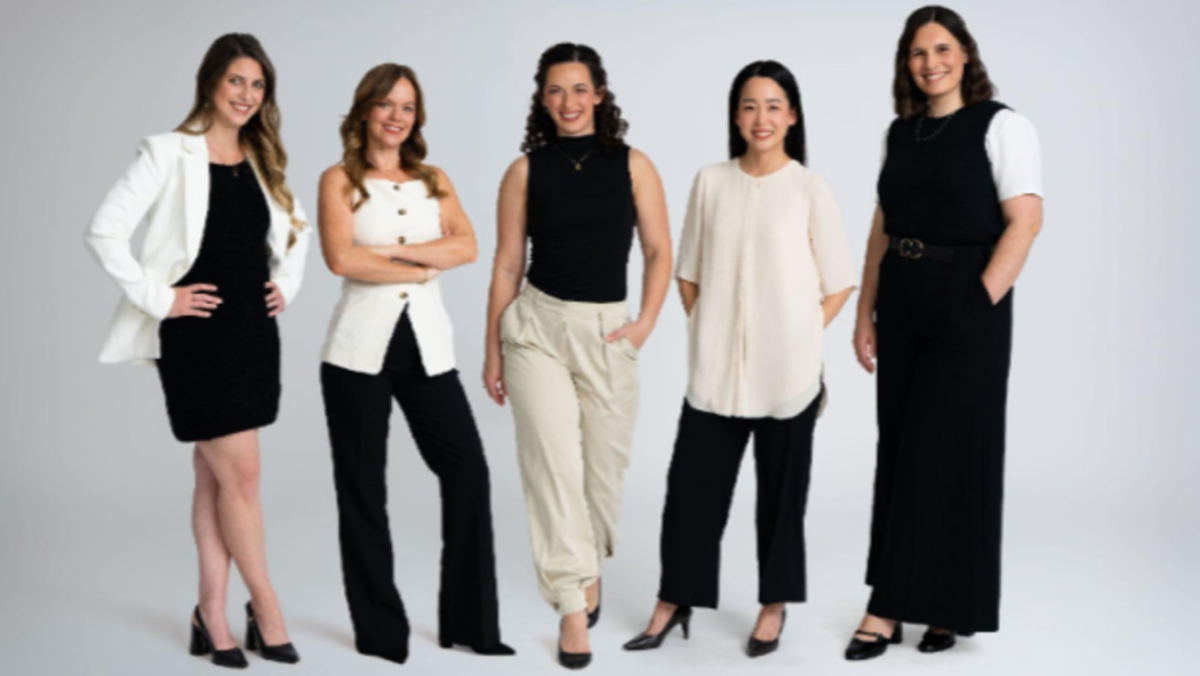
Five female researchers have been awarded $25,000 grants as part of the L’Oreal and UNESCO For Women in Science initiative, an ongoing program celebrating and advancing women in STEM for over 20 years.
Appearing on Today Extra, two of this year’s grant recipients, Dr Jennifer Matthews and Dr Hani Kim, discussed their groundbreaking research and the critical need to support women navigating the notoriously demanding fields of science and technology.
Dr. Matthews’ research is focused on developing critical interventions for marine ecosystems facing catastrophic losses. Her work aims to combat the effects of coral bleaching, a phenomenon driven by rapidly changing environments and warming waters.
“Just like you and I, corals are animals and they need optimal nutrition to thrive and survive,” Dr. Matthews explained. “And that’s really important when they’re in vulnerable life stages, like when they’re babies, or when they are really stressed.”
Corals naturally harbor tiny algal cells that provide them with vibrant colors and essential nutrients. However, environmental stress causes this relationship to break down, leaving behind a colorless tissue and white skeleton.
“A bleached coral is not a dead coral, but it’s not got its nutritional source. And so that’s actually what leads to the catastrophic loss of corals is because they starve,” Matthews said.
To prevent this starvation, her team is developing diagnostic tools and restorative strategies to provide stressed corals with the nutrients they require. Using lipid nanoparticles – which Matthews describes as a “fancy way of saying a bubble,” similar to micellar water – her team has successfully engineered targeted nutrition.
“We can pack those full of different nutrients and then feed them to corals,” she said. “And we’ve done this for coral babies, we’ve developed a coral baby food.”
While Matthews focuses on marine life, computational biologist Dr Hani Kim is utilising artificial intelligence to transform breast cancer screening and detection. With 96 women diagnosed with breast cancer every day, Kim uses AI to process massive datasets and improve individualised care.
“The hundreds of cancer samples we get, we’re able to get millions of quantifications,” Kim explained. “And AI helps me to find patterns in the data, and to really group these patients into new stratifications.”
Because breast cancer patients are highly diverse, this advanced stratification is critical. “Finding the right treatment for the right patients is really a key challenge for us,” she added.
Beyond advancing their respective fields, both scientists emphasised how essential initiatives like the L’Oreal and UNESCO fellowship are for closing the persistent gender gap in STEM. Unlike traditional grants, which strictly fund laboratory operations, this funding can be directed toward personal logistics that frequently interrupt female scientists’ careers.
“They’re not just recognising and funding us as scientists, they’re recognising and funding as women in science,” Matthews said. “We can use the funding for things like childcare or for career development to fill in those gaps in career interruptions that we might have experienced.”
Kim echoed this sentiment, pointing out the unique pressures women face when balancing the start of their scientific careers with family planning.
“It really backs the people and really backs people behind the research,” Dr. Kim said. “Many grants support salaries and experiments, but really we’re scientists are time poor, and especially women. I think as careers are starting and families are, we’re starting to kick off our families, growing our families. That’s really where we’re poor on time.”
Kim offered a final piece of advice to young girls considering a future in STEM: “I encourage them to be bold, creative, and look out for models like Jen and many of the fellows.”









Leave a Reply