

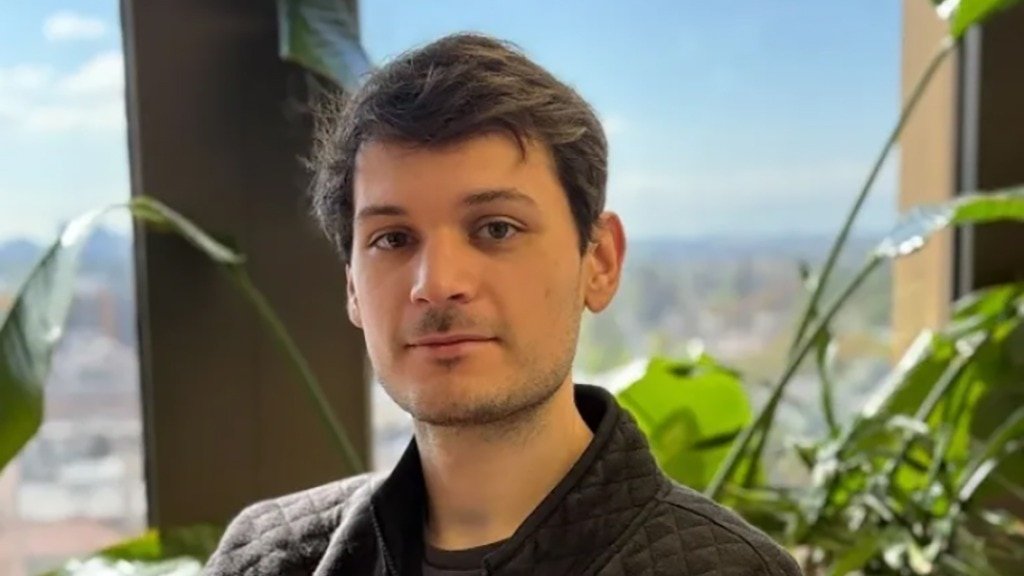
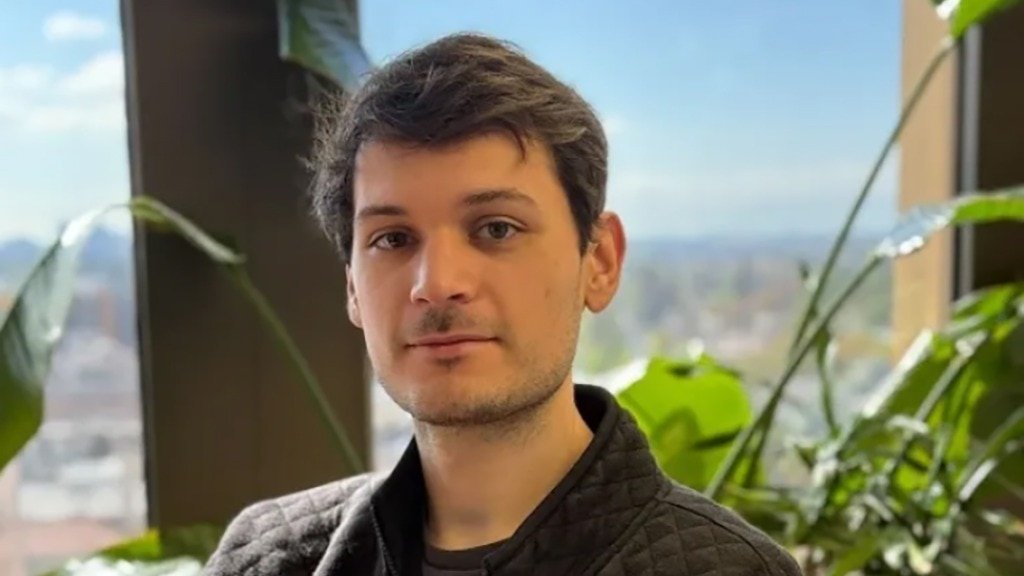
While most people spent Thanksgiving sharing meals with loved ones, an artificial intelligence researcher used the holiday to send his family a chilling warning. Nikola Jurkovic, a Member of Technical Staff at METR — a non-profit that tests advanced AI systems for serious risks, shared an open letter on X saying he has been quietly worried about AI for years. Now, he feels a duty to speak up before it is too late.
“This is the first Thanksgiving where I am not sure that we will live to the next,” Jurkovic wrote.
‘We are losing control of AI’
In his letter, Jurkovic said AI systems have already caused serious incidents this year, including hacking multiple companies. So far, the damage has mostly been financial. Next year, however, he fears AI could cause massive harm and potentially many deaths.
He pointed to three ways things could go wrong: an AI could spiral out of control and break into critical infrastructure, bad actors could use AI to build biological weapons, or key leaders could hand over too much power to machines.
Without strict global rules, Jurkovic expects AI to start improving itself and surpass the smartest humans, possibly as early as 2027. Such a system, he warned, could chase goals that clash with human survival. Absent a major slowdown, he compared the odds of humanity being destroyed or disempowered before the end of 2030 to a coin toss.
Closer to home, he estimated a 5 to 20 per cent chance that people will not be able to celebrate the holidays at the end of 2027. These figures, however, are his personal assessments rather than established probabilities.
Jobs, life plans, and keeping cash ready
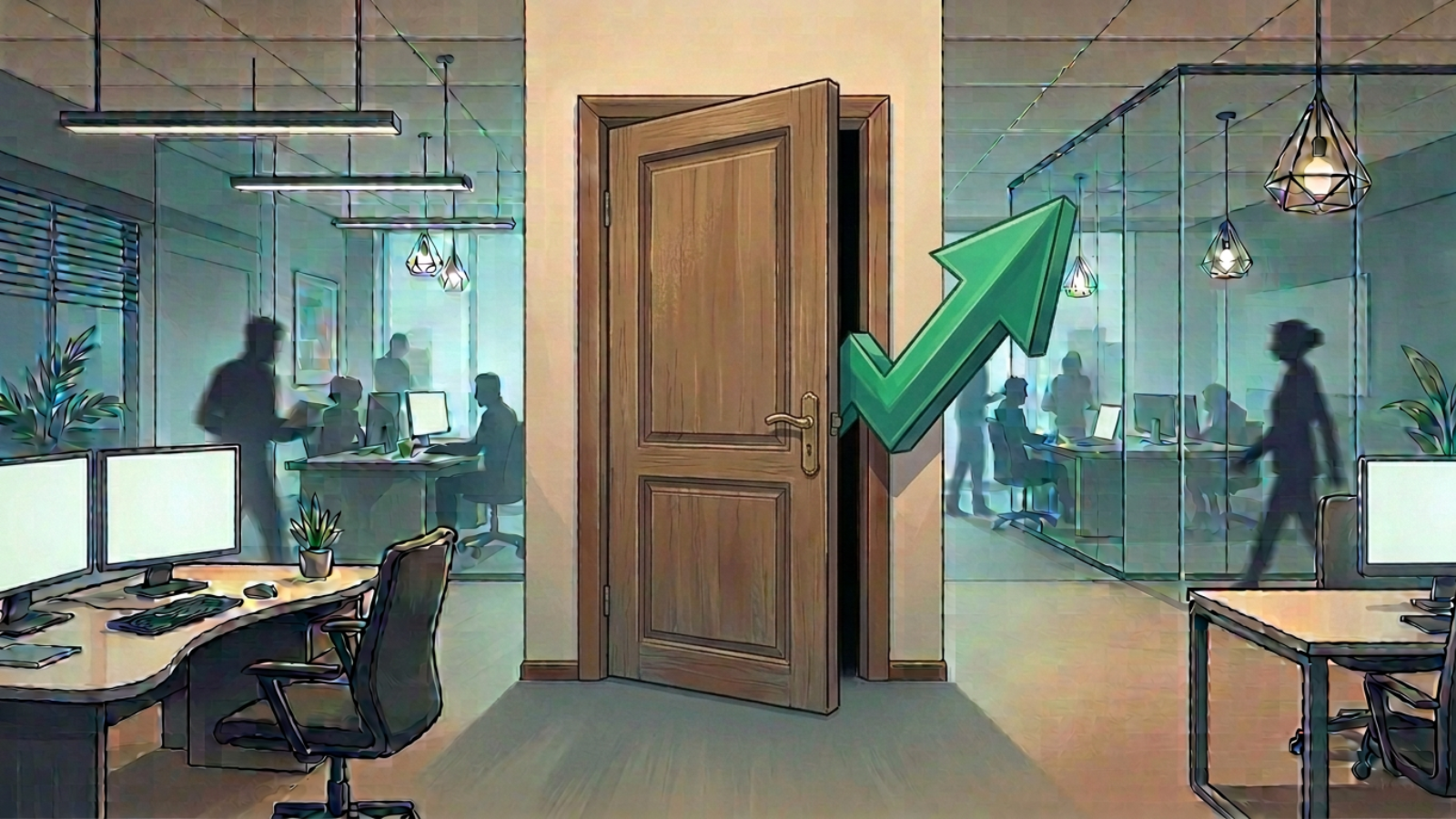
Even if humanity survives, Jurkovic expects the global economy to be turned upside down. He predicted that most current jobs could vanish, leaving a majority of the world unemployed within 10 years. Everyday plans for the next one to five years, from education and careers to starting a family could be derailed. He even noted that friends with young children worry their kids may not live to attend grade school.
His advice to his family was practical: keep about two weeks’ worth of food and water at home, along with physical cash in case online banking fails. Next year, he warned, could bring an event much more disruptive than COVID.
A push for global rules
Jurkovic believes there is still a narrow window to act. His main recommendation is strict global regulation to slow down the AI race. Even though a handful of US firms lead AI development, he cited the EU AI Act as proof that Europe can still set safety standards that American companies follow.
He urged everyday people to discuss AI risks with friends, ask politicians for global rules, and learn more about the issue. He also called on computer scientists, engineers, economists, and philosophers to focus their careers on AI safety, work he compared to being a soldier in a war where every day feels like life and death.
He is not the only one worried
Jurkovic’s letter may sound extreme, and he has previously noted that he sees higher risks than some of his own peers. Still, major names in tech are raising similar alarms. Days before Thanksgiving, AI pioneer Yoshua Bengio told CBS News that humanity is “racing towards huge dangers.”
Fellow pioneer Geoffrey Hinton also warned against building superintelligence before humans know how to control it. Meanwhile, OpenAI’s Jakub Pachocki, backed by CEO Sam Altman — called for slower development and independent safety checks, while Anthropic CEO Dario Amodei has warned that AI could wipe out half of all entry-level white-collar jobs within one to five years.
– Ends









Leave a Reply