Sheryll Quimosing/Az Jackson/Getty Images
When the precious metals market is moving, gold tends to get more than its fair share of attention, and that makes sense. The price of gold has been skyrocketing over the last few months, after all, and gold’s value is also extremely high compared to just 12 months ago, making it a compelling option to consider. What may not be as obvious to some investors, though, is that silver prices have been climbing in tandem, and its impressive price trajectory actually managed to outpace gold last year.
Silver prices are now hovering near $82 per ounce, a level few analysts predicted even a year ago, and the metal is now drawing interest from seasoned commodity traders and everyday investors, many of whom are wondering if they’ve found an opportunity hiding in plain sight. After all, not only is the industrial consumption of silver accelerating, but supply constraints have kept production from keeping pace. The result is a market where structural tailwinds are stacking on top of investment demand.
But knowing that silver is valuable and knowing how to actually invest in it are two very different things. So what silver assets actually make sense to invest in right now? That’s what we’ll examine.
Start diversifying your investments with silver and gold today.
What are the best ways to invest in silver in today’s market?
Whether you’re a first-time precious metals investor or looking to expand an existing position, here are some of the best silver investment options worth considering right now:
Physical silver
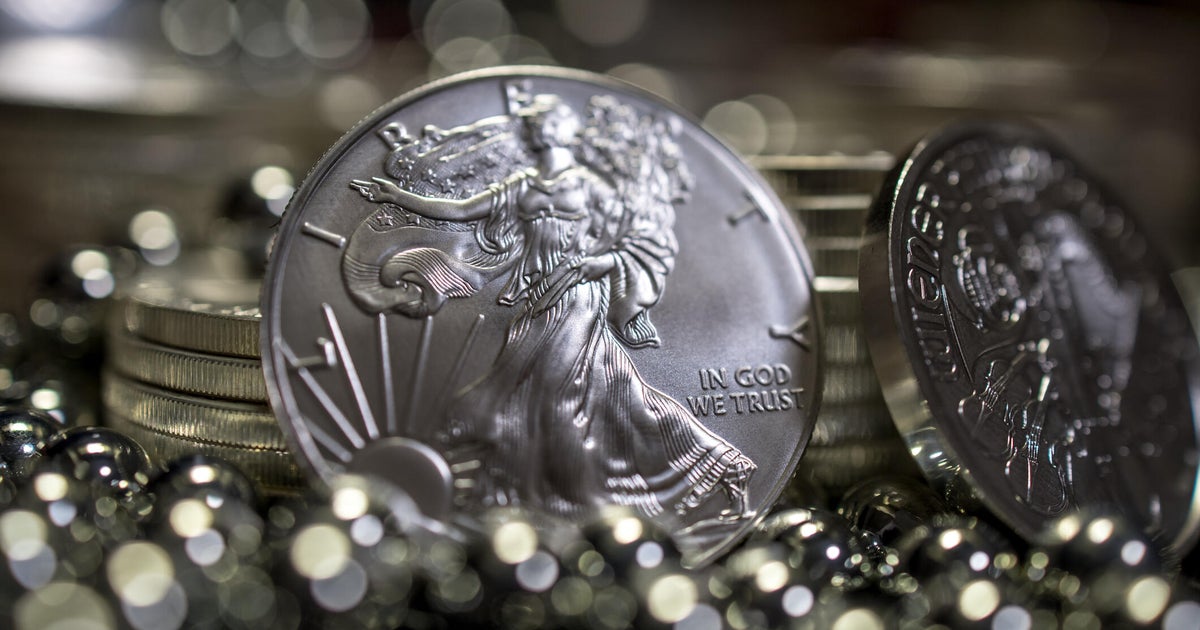
Buying physical silver remains one of the most straightforward ways to invest in the metal. When it comes to physical silver options, investors can purchase a wide range of assets and hold the metal directly, from silver coins to silver rounds or bars, all of which are available through reputable precious metal dealers in person and online.
Physical ownership typically appeals to investors who want a tangible asset that isn’t tied to financial markets or financial institutions. Silver bars and coins — and particularly government-issued ones — are also widely recognized and relatively easy to sell, making them highly liquid in the right market.
However, physical silver does come with some practical considerations. Investors need to account for storage, insurance and dealer premiums, which can add to the overall cost of the investment. And, when silver prices are elevated, those premiums may become even more significant, adding to the costs.
Compare your precious metal investing options online now.
Silver exchange-traded funds
For investors who want exposure to silver without dealing with storage or physical ownership, silver exchange-traded funds (ETFs) offer a convenient alternative. These funds track the price of silver and trade on stock exchanges like regular shares. Investors can buy and sell them easily through brokerage accounts, making them highly liquid and accessible.
Silver ETFs also eliminate many of the logistical challenges associated with physical metals, as there are no storage concerns or shipping logistics to deal with. That said, investors should be aware that silver ETFs typically charge management fees and may not provide the same sense of ownership that comes with holding physical silver directly.
Silver mining stocks
Another way to gain exposure to silver is through shares of companies that mine and produce the metal. These silver mining stocks can be enticing because they may offer amplified returns if silver prices rise, as mining companies generally benefit directly from higher metal prices.
But silver mining stocks come with their own risks. Company performance, operational costs, management decisions and geopolitical factors can all influence stock prices, sometimes more than the underlying price of silver itself. For investors who are comfortable with market volatility, though, silver mining stocks can provide a way to benefit from both rising silver prices and corporate growth.
Silver mutual funds
For investors who want diversification within the silver mining sector, silver-focused mutual funds may be worth considering. These funds invest in a basket of mining companies rather than a single firm, which can help spread out company-specific risks. That way, if one mining company struggles, others in the portfolio may still perform well and compensate for the losses.
Silver futures and derivatives
More experienced investors may want to consider trading silver futures or other derivatives in this market to speculate on short-term price movements. Futures contracts allow investors to buy or sell silver at a predetermined price at a future date, and because these contracts use leverage, they can generate large gains if the market moves in the investor’s favor.
However, leverage also significantly increases risk. Futures trading can produce substantial losses just as quickly as profits, making this strategy better suited for sophisticated investors who understand the mechanics of commodities markets. So, if you’re a newer investor, use caution and fully weigh whether you’re ready for this type of investing before you jump in.
The bottom line
Silver’s price near $82 per ounce reflects growing investor interest as well as strong industrial demand. For those considering adding the metal to their portfolios, the good news is that there are multiple ways to invest in silver — from physical coins and bars to ETFs, mining stocks and more advanced trading instruments.
Each approach comes with its own advantages and trade-offs. Physical silver offers tangible ownership, ETFs provide convenience and liquidity, mining stocks introduce growth potential and futures offer high-risk, high-reward speculation. Ultimately, the best silver investment strategy will depend heavily on your goals, time horizon and comfort with risk, but in today’s economic environment, silver in nearly any form is a compelling option.