

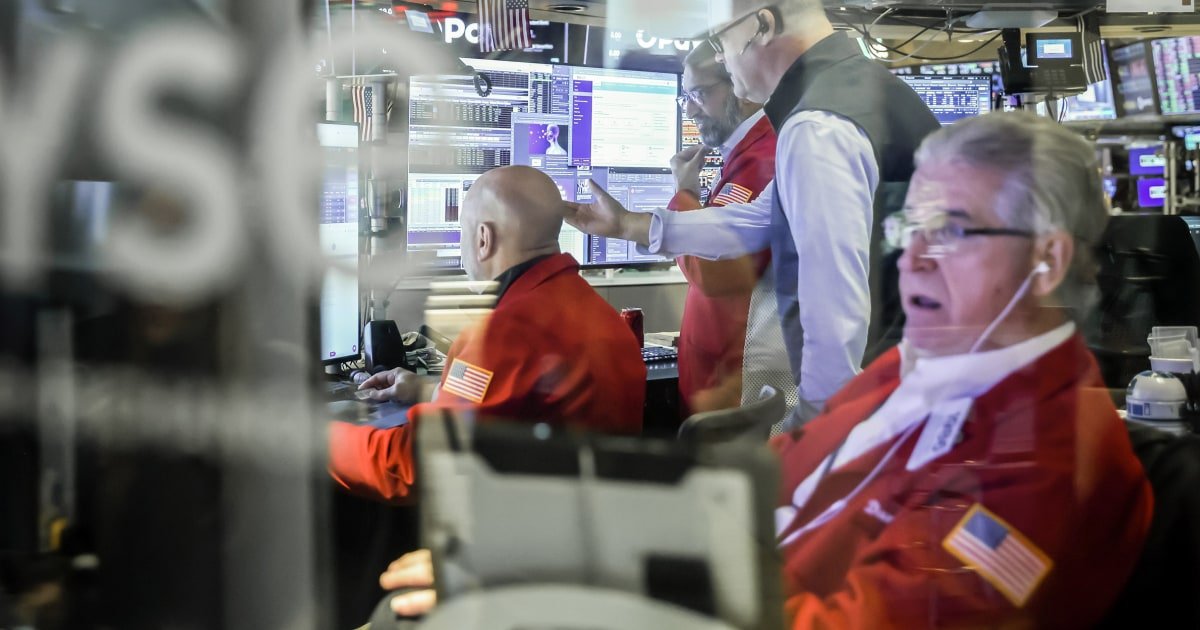
Stock futures regained ground early Wednesday after an initial slide as Democrats won commanding victories in key races across the country. The size of the blue wave surprised investors, many of whom had been expecting more of a ripple.
S&P 500 futures that track the broad market index slid by more than 0.5%, while Dow Jones Industrial futures tumbled by more than 100 points. Futures for the Nasdaq 100 index, which tracks the largest tech stocks, sold off by more than 1%. As results rolled in, stocks fell much further before they recovered some, with Nasdaq 100 futures down at one point by as much as 2.5%.
Early Wednesday, all three were in recovery mode.
Both S&P 500 and Nasdaq 100 futures were back in the green territory, and Dow Jones futures were up more than 1.4% as of 5:45 a.m. ET.
Meanwhile markets in Asia closed with mixed results, with some indexes losing and some gaining, as investors there also weighed the potential fallout from the Democratic sweep.
“The results signal a sharp rebuke of President Trump’s shift of focus away from economic issues and underscore voters’ insistence that Washington tackle the cost of living,” global investment banking advisory firm Evercore’s Sarah Bianchi wrote in a note late Tuesday that called the outcome a “blue tsunami.”
JPMorgan Chase analysts cautioned that this kind of result could trigger an “AI sell-off on assumed higher regulation.”
“Possible new data-center restrictions, and higher taxes on corporations and top earners,” would be “all potential headwinds for tech” companies.
On the other hand, the healthcare and clean energy industries could emerge as “relative beneficiaries” of a Democratic-controlled Congress.
The JPMorgan analysts also pointed to a potential “investigation risk” facing CEOs who have close ties to President Donald Trump.
Major companies ranging from Nvidia to Apple to NBC News’ parent company, Comcast, have donated millions of dollars to Trump’s pet projects, most notably his ballroom, and their leaders have regularly appeared alongside him at events.
Top Democrats have already signaled their interest in launching investigations of some of Trump’s projects in January, when their new congressional majority will give them subpoena power.
Democrats vs. data centers
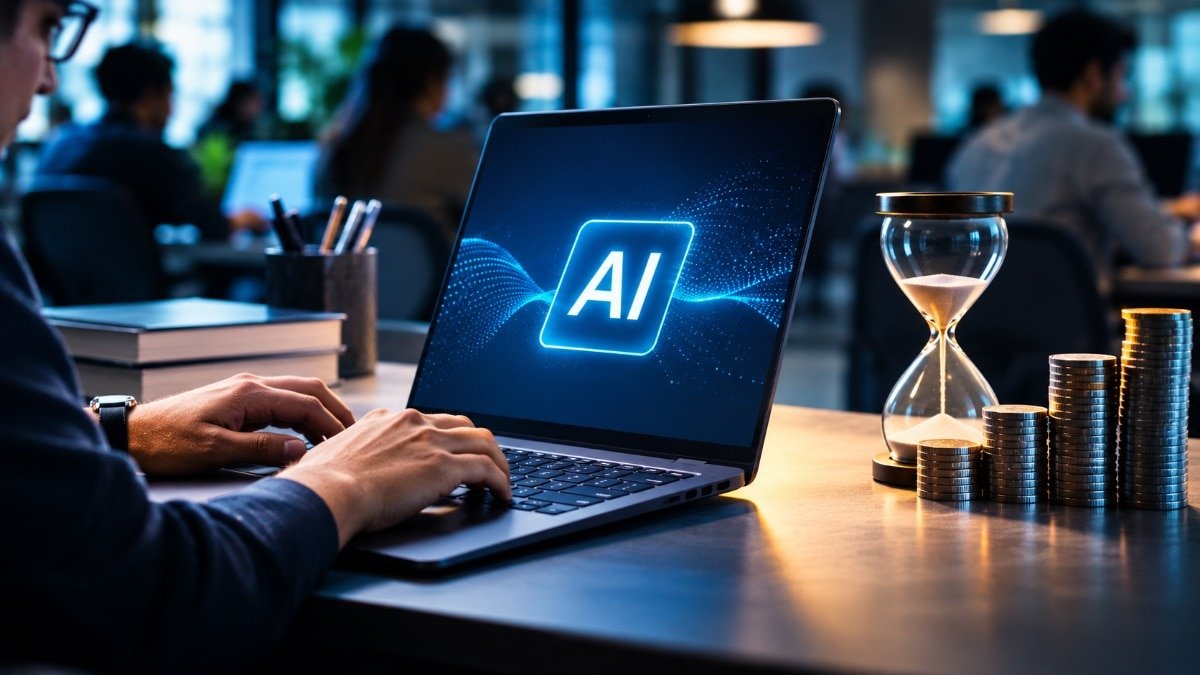
Tech stocks are critically important to the surge in the value of U.S. equities markets over the last two years.
Trillion-dollar companies such as Amazon, Nvidia, Microsoft and Google parent Alphabet, as well as a handful of smaller data center startups, have poured hundreds of billions of dollars into developing AI models, building data centers and buying the equipment needed to operate them.
The AI boom has also been the main driver behind the Nasdaq 100’s gains of 40% since Election Day 2024.
But several Democrats who won key governor’s races Tuesday have called for a pause in data center construction in their states, including Keisha Lance Bottoms in Georgia and Amy Acton in Ohio.
In Texas, Democrat Gina Hinojosa defeated Republican Gov. Greg Abbott.
More than any other state, Texas has been a major focus for AI investors and a critical market for data centers.
“The one surprise that we think could plausibly spook markets is Abbott losing the TX gubernatorial election,” Wolfe Research’s head of U.S. policy and politics, Tobin Marcus, wrote in a recent note.
Any widespread slowing or halting of data center construction could risk those billions of dollars of investments, which many of the country’s top companies have stakes in.
“Democrats winning gubernatorial races in Texas, Ohio, and Georgia—which have a significant share of the U.S. project pipeline—means new pauses and restrictions on data center development,” Bianchi, of Evercore, wrote late Tuesday.
“2027 is shaping up to be a turbulent year as developers will be forced to adapt to a shifting policy landscape.”
Democrats were also projected to win Senate races in a number of battleground states where data centers were a major issue during the campaign, including Georgia, North Carolina, Michigan, Ohio, Iowa and Kansas.
“Data centers in space looking pretty appealing right now,” wrote Elon Musk, whose trillion dollar SpaceX sells data center capacity and develops AI systems, on X.
The worlds richest person, Musk spent hundreds of millions of dollars supporting Republicans this cycle and has proposed putting servers for AI systems in orbit above Earth. Most experts say the idea faces significant hurdles.
AI investors on edge
Even before Tuesday’s projected results, markets had been on edge for months about whether, and how, the AI boom and the massive investments tied to it would deliver returns.
On Friday, the S&P 500 and the Nasdaq both posted their worst days since mid-June after Intel and Amazon, two key suppliers to AI companies, reported mixed earnings results.
Treasury yields also declined slightly Tuesday night as results rolled in, which could bring near-term relief to consumers seeking to borrow money or take out or refinance mortgages.
Yields dropped as traders guessed that a slowdown in the AI sector could lead fewer companies to tap the bond markets for additional funding.
On Monday, the Nasdaq 100 index had entered a correction, meaning a 10% drop from its most recent high.
Join ShopOpen24 Community
Connect with entrepreneurs, discover business ideas and explore a growing business community.
Explore ShopOpen24 →ShopOpen24 | Local Products. Global Reach.










Leave a Reply