
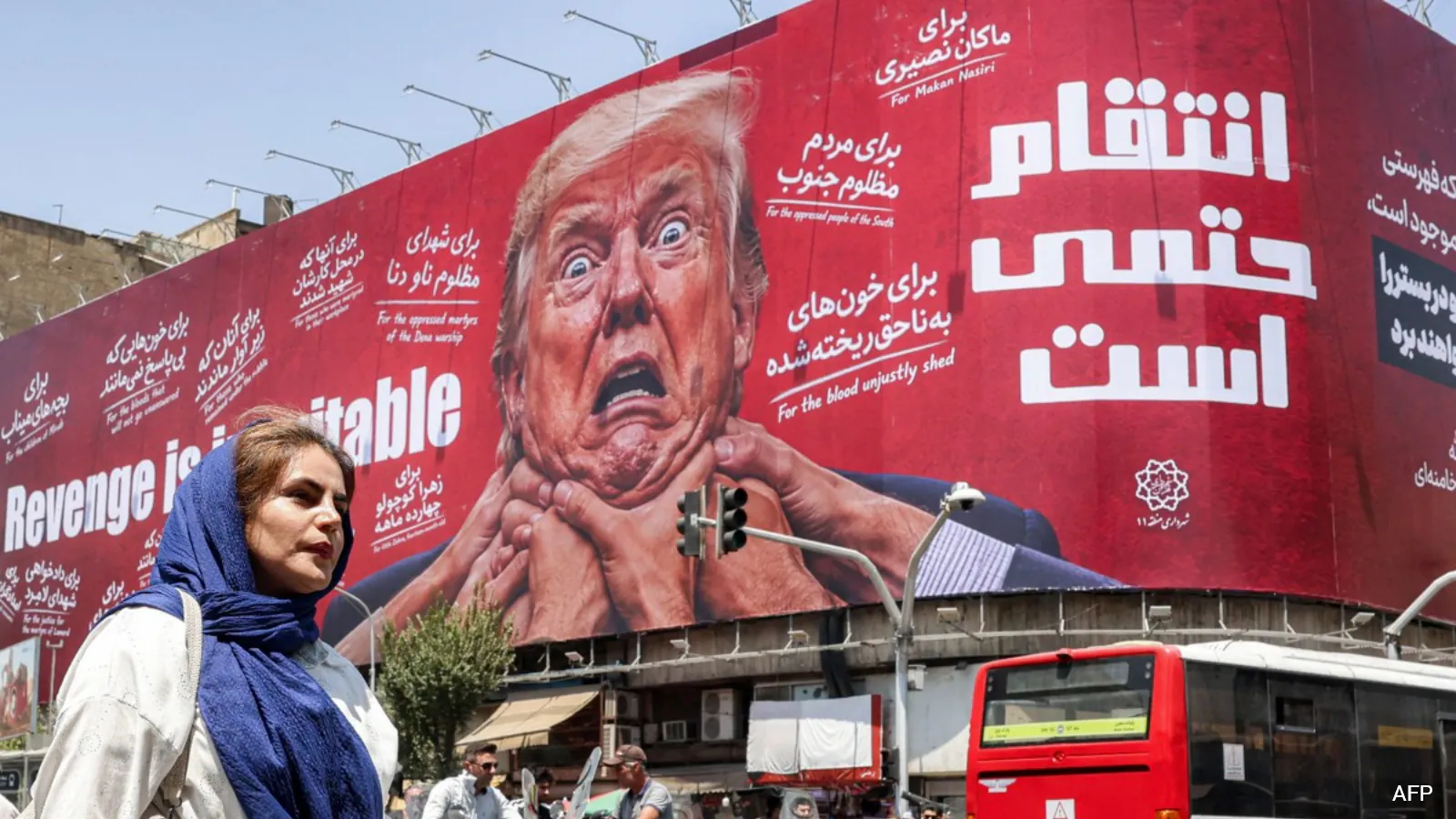
Tehran:
The Memorandum of Understanding (MoU) between Iran and the United States, aimed at ending the fighting in the Middle East, is set to expire on Monday, with little indication from both sides about any possible extension. Under the agreement, Tehran and Washington were scheduled to hold negotiations within 60 days to reach a final agreement. However, the fate of the talks remains uncertain following the escalation between the two countries in recent weeks.
Iranian Foreign Minister Seyed Abbas Araghchi said that Iran has made no decision yet on the resumption of negotiations with the United States. In an interview with the state-run IRIB news agency, Araghchi noted that messages are being exchanged between Iran and the United States through mediators, “but this does not mean negotiations at all.”
He stressed that the United States has “violated” the MoU and clashes started again.
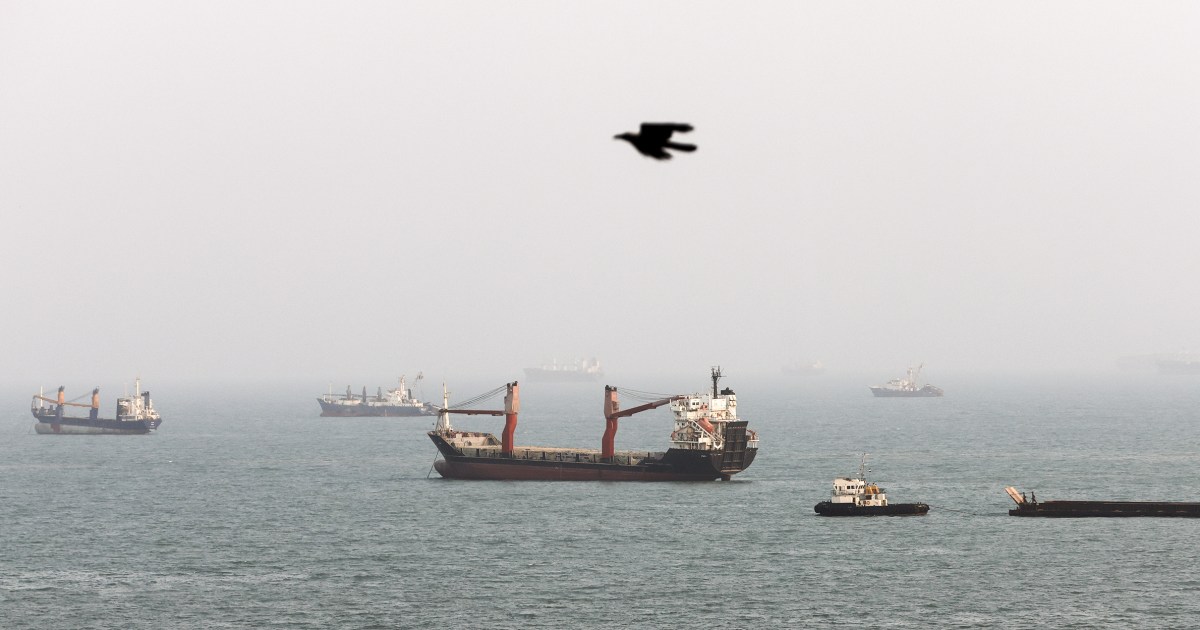
Negotiations are underway between Iran and Oman to designate a new route for the safe passage of vessels through the Strait of Hormuz. “And we are currently designing a temporary route, which will turn into a permanent one in the next stages,” Araghchi said.
“We may reach a conclusion soon,” he added. However, he said that the reopening of the strait hinges on the fulfillment of other conditions, “to which the United States must be committed.”
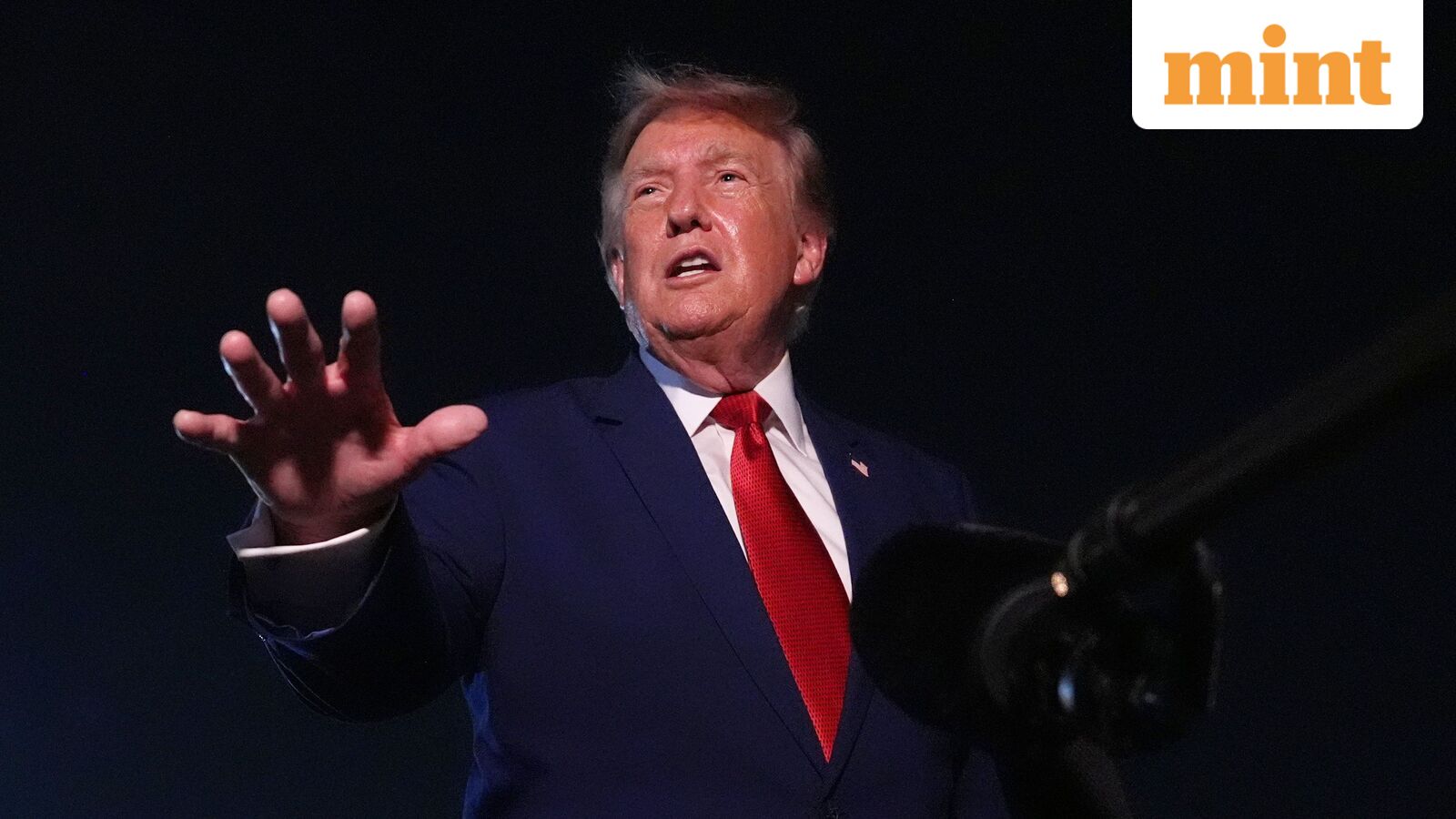
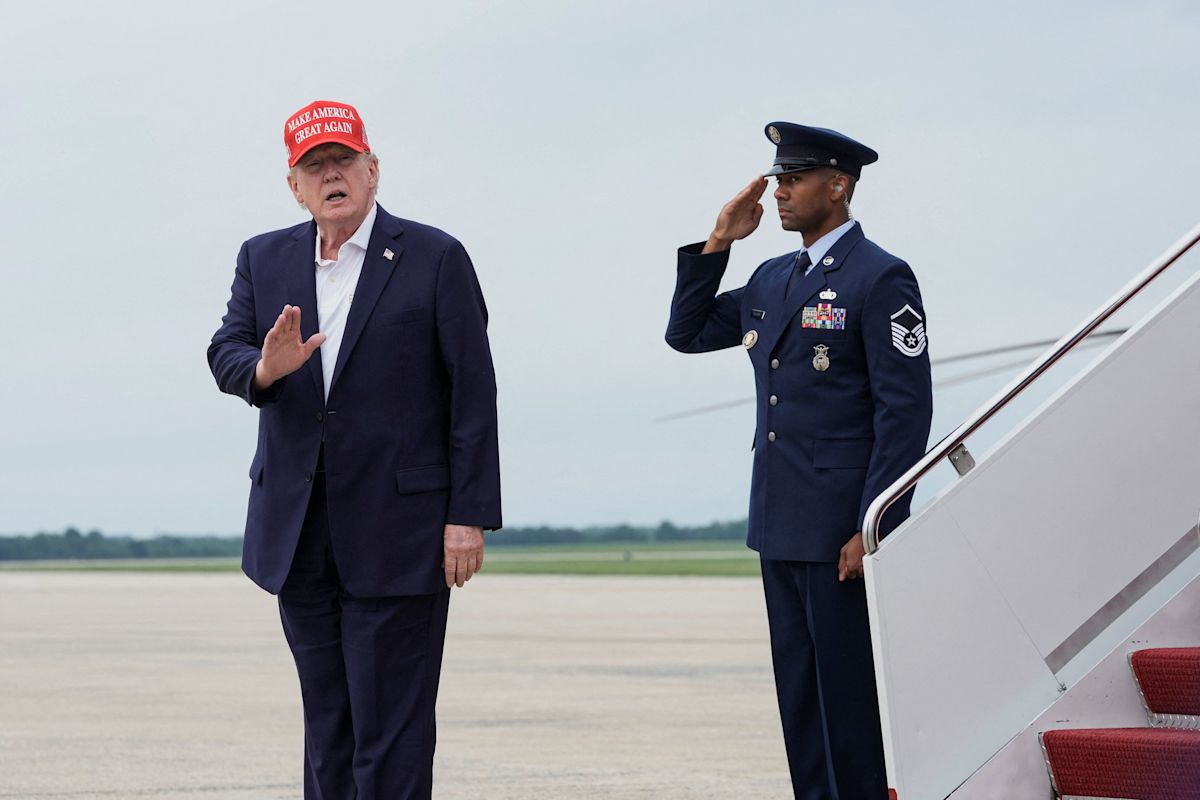
In the US, President Donald Trump has meanwhile declared that America would soon claim the critically important waterway for itself.
What Did the MoU Say?
Trump and Iranian President Masoud Pezeshkian signed the agreement on June 17 to halt more than three months of war that had killed thousands and crippled commercial shipments through the Gulf, especially oil and gas exports relied on globally.
The 14-point MoU left complex points of contention between the two nations, like Iran’s nuclear program, to be dealt with later. But it sought to find an immediate diplomatic solution to halt the war and end the conflict in Lebanon.
“The United States of America and the Islamic Republic of Iran and their allies in the current war by signing this MOU declare the immediate and permanent termination of military operations on all fronts, including in Lebanon, and undertake from now on not to initiate any war or any military operation against each other and to refrain from the threat or use of force against each other and ensuring the territorial integrity and sovereignty of Lebanon,” the MoU read.
“The final deal will confirm the permanent termination of the war on all fronts, including in Lebanon, and other provisions of this paragraph” would be endorsed by the UN Security Council and would be reached in a maximum of 60 days, which could be extended by mutual consent,” it added.
The deal also required the US to end its naval blockade within 30 days after the “final deal” was reached and begin work on a reconstruction and development package for Iran of at least $300bn. Under the agreement, the United States was also required to lift sanctions against Iran, issue waivers for Iranian oil exports, and allow Tehran to access its billions of funds frozen abroad.
On its part, Iran was asked to clear mines from the Strait of Hormuz and allow ships to pass “with no charge” for 60 days.
Iran also reaffirmed that it shall not procure or develop nuclear weapons and will maintain the status quo.
How Successful Was the MoU?
Not even a day after the MoU was signed, differences emerged in the US and Iranian wordings of the deal, especially on whether it was a ceasefire deal or a more permanent truce and what each side was supposed to do.
Barely two weeks after the deal was signed, both sides accused the other of violating the terms of the agreement to justify the weekend exchange of fire over the control of the Strait of Hormuz. While Trump claimed Iranian strikes in the region were “a foolish violation” of the deal, Iran said US strikes “violate Article 1 of the Memorandum of Understanding.”
On July 7, Trump said the agreement was “over,” as the US continued bombarding Iran, including on what Tehran called civilian infrastructure. In retaliation, Iran, according to an Al Jazeera report, said the US had “violated and suspended” all its commitments and that the Islamic Republic has also “likewise suspended all our own commitments.”
Since then, war has transformed into a contest of willpower and economic endurance with no end in sight. However, there have been no publicly reported US strikes on Iranian targets since late July.
What Happens Next?
What the expiration of the MoU means exactly depends on which side you ask. Both sides have claimed victory in the war. But with no permanent resolution in sight and reports claiming US weapon stockpiles are dwindling dangerously low, Trump now risks drawing the US into yet another “Forever War,” according to a CNN report.
The US president has made it clear that inflicting economic pain on Tehran is part of Washington’s current strategy. “We are just watching Iran with its huge inflation and the fact they have no money,” he said earlier this month.
Tehran, however, remains steadfast. Mohammad Bagher Ghalibaf, Iran’s chief negotiator and parliament speaker, said the United States and Israel have “failed to achieve” any of the objectives they set at the start of their war.
“I declare with all my heart that we won this war,” he declared, without specifying what objectives he believed the US and Israel had failed to meet.
The goals with which the US started the war included complete Iranian surrender, regime change, Tehran never getting a nuclear weapon, and ending Islamic Republic’s support for its Middle East proxy groups like Hezbollah.




Leave a Reply