
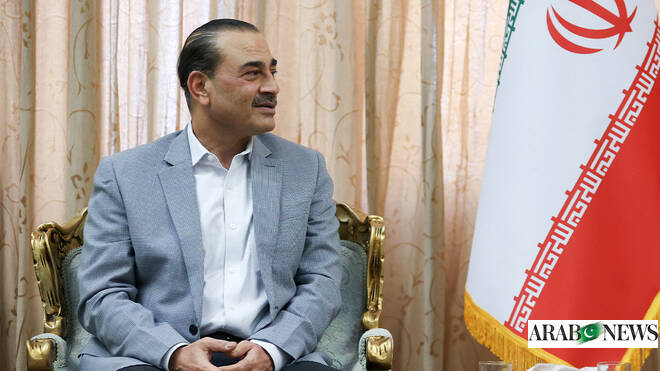
ISLAMABAD: Pakistan’s defense forces chief, Field Marshal Asim Munir, is due to visit Tehran today, Monday, for talks on regional peace, Iranian state media reported, as the United States prepares to roll out economic sanctions targeting Iran’s trade partners.
The US has threatened Iran with what it called “the greatest financial offensive ever marshalled,” while Iran has in turn vowed to shut down all oil exports from the Gulf “if the economic war continues.”
US Treasury Secretary Scott Bessent will hold a presser at 1pm EDT (1700 GMT) on Monday to reveal even more severe measures Iran, which has endured near-continuous economic sanctions since the Islamic Revolution of 1979.
Pakistan, which helped broker an interim US-Iran peace deal in June, has been engaged with the leadership of both countries to broker peace between the two countries since their conflict broke out in February this year.
“Munir’s visit is taking place in line with Pakistan’s ongoing good offices to contribute to the reinforcement of peace and stability in the region,” the state-run IRNA News agency quoted Iranian foreign ministry spokesperson Esmaeil Baqaei as saying.
“Munir would meet and hold talks with senior Iranian officials during his visit.”
Islamabad has not yet officially confirmed the visit.
The warring nations have not conducted military strikes against each other for weeks, but they also have not engaged in meaningful talks to end the six-month-old conflict. Thousands of people have died, most of them in Iran and Lebanon, since the US and Israel began strikes on February 28, degrading much of Iran’s conventional military capacity and inflicting economic pain while killing Iranian Supreme Leader Ayatollah Ali Khamenei.
But Iran has preserved enough missile and drone capability to attack its Gulf neighbors and threaten oil tankers in the Strait of Hormuz, bringing shipping in the key waterway to a near standstill and pressuring world fuel prices.
The two sides signed the interim deal, known as Islamabad Memorandum of Understanding (MoU), on June 18 that set a 60-day period, extendable by mutual consent, within which Iran and the US were expected to reach a final deal limiting Tehran’s nuclear program and lifting US sanctions.
The exact state of Iran’s nuclear program, which the Americans and Israelis aim to wipe out, remains unknown. Without detailing specific measures, Bessent signalled the US would target “fearful nations” that practice “appeasement” by engaging with Iran’s economy and financial system.
Islamabad has called for diplomacy to resolve the conflict and said last week it was making “all-out efforts” through direct and indirect channels to bring Washington and Tehran back to the negotiating table.









Leave a Reply