
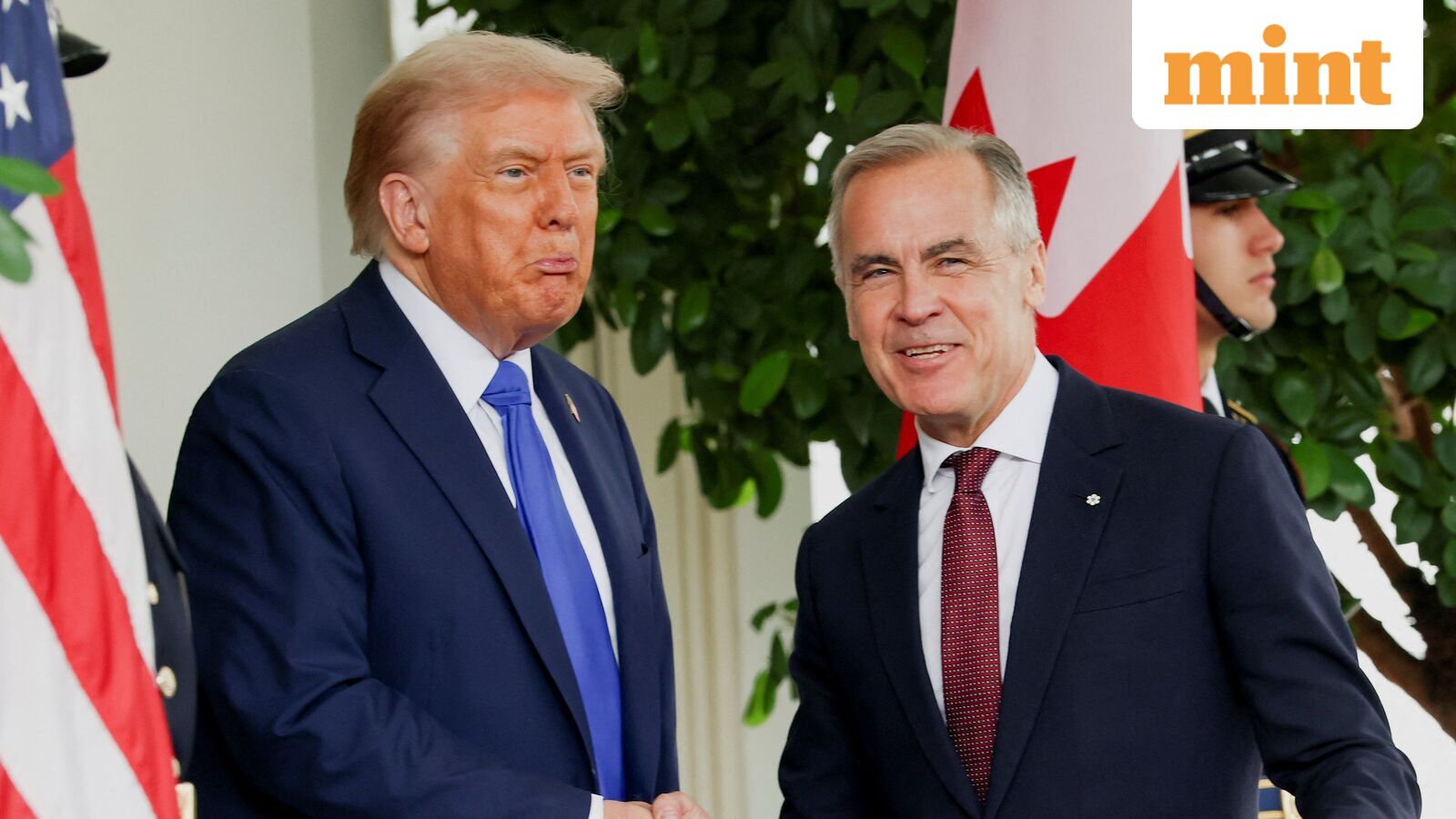
Canada is set to announce retaliatory tariffs against the United States on Tuesday (local time) after ties between the once long-standing allies deteriorated sharply on Monday, when US President Donald Trump told Canadian leaders to “fall in line” or face consequences “far WORSE” than existing tariffs.
According to AP, Canadian Prime Minister Mark Carney accused the US of trying to subordinate Ottawa, saying Washington’s trade demands showed that it wanted to “destroy our major industries,” including autos, steel and aluminum. His remarks came after the Republican president threatened new 50 per cent tariffs on Canadian vehicles, auto parts and steel.
On Tuesday morning, Finance Minister François-Philippe Champagne and three other Cabinet ministers are set to announce Canada’s response.
Quick answers to key questions
•5 QUESTIONS
Canada plans to announce retaliatory tariffs against the US, targeting a range of products including steel, autos, and aluminum, scheduled to take effect on September 8.
Canada’s decision to impose retaliatory tariffs comes as a response to US President Trump’s threat of new tariffs that Canada views as attempts to undermine its industries and sovereignty.
The US tariffs, which may reach 50%, significantly impact Canadian exports, specifically targeting key sectors such as automobiles, trucks, and steel, potentially harming around $20 billion worth of trade.
Yes, Canadian businesses should prepare for potential economic impacts as the escalating tariffs will likely lead to increased costs and trade volatility in affected sectors.
The trade negotiations between the US and Canada broke down due to last-minute demands from the US that Canada deemed unacceptable, leading to an impasse in reaching a mutually beneficial deal.
Carney says Ottawa should opt for more targeted measures against US
A day earlier, Carney said Canada should move away from matching Trump’s tariffs “dollar for dollar” and instead adopt more targeted measures to protect Canadian workers and businesses. He noted, “An attitude at the negotiation table that Canada is a subsidiary of the United States” is “not something we’re going to accept,” and added, “We learned during the negotiations that the Americans want to destroy our major industries, including autos, steel and aluminum.”
Trump announces additional tariffs on Canada from 2027
On Monday, the US President announced plans to sharply increase tariffs on Canadian automobiles, automotive parts and steel. In a Truth Social post, he wrote, “Canada has been ripping off the United States of America for years. Their ridiculously high tariffs on our Farmers and farm products have made life impossible for these great American Patriots, and have long created a 60 billion-dollar deficit between our two Countries. Not sustainable, and NOT ANYMORE!”
He added, “On January First, 2027, Tariffs on all Cars, Trucks, both large and small, Automotive Parts, and Steel, will be increased to 50%. Built in the U.S., and there are ZERO TARIFFS. Canada will be treated like a State no longer! On Trade, and in other ways, they are also among the worst Nations in the World to deal with. They feel entitled, and yet, WE DON’T NEED CANADA; THEY NEED US! They do 95% of their business with the U.S., with us- the exact opposite.”
Trump attacks Canadian leaders, Doug Ford hits back
On Monday, Trump also unleashed personal attacks against Canadian leaders, including Ontario Premier Doug Ford. In a separate post on Truth Social, he lashed out at Ford, calling him “the less charismatic, intelligent, and overall unimpressive brother of the late, great, Rob Ford,” and once again referring to Canada’s prime minister as “Governor Carney.”
However, the Ontario premier dismissed Trump’s remarks and wrote, “If you think an insult from him hurts me? Well, bring it on, buddy, I’m ready.” He also said Ottawa should consider stronger retaliatory measures if Trump continues to target Canadian industries such as oil and potash. He added that Ontario could respond by increasing electricity prices or halting power exports to the US.
US-Canada trade war deepens
Late last week, the United States and Canada walked away from negotiations, with an imminent deal falling through at the last minute, triggering the 50 per cent tariff announced by the Trump administration on about $20 billion worth of Canadian goods.
Carney also described the US demands as one of the main reasons Canada walked away from the trade deal after weeks of negotiations, calling it a “bad deal.”
Canada and the US have one of the world’s largest trading relationships, with closely linked supply chains spanning the auto, energy, agriculture and manufacturing sectors. A prolonged trade dispute could therefore impose high costs on businesses and workers in both countries.
Although the US President had previously expressed optimism about a trade deal with Canada, citing his “good relationship” with Carney, the latest measures highlight the increasingly tense relations between the two sides.










Leave a Reply