
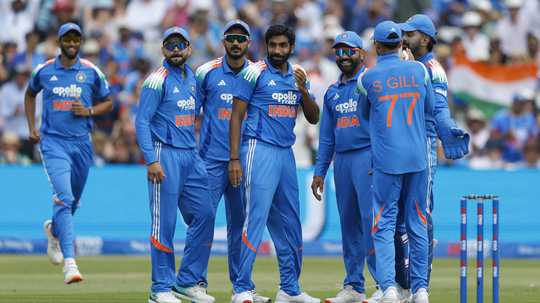
Indian cricket’s senior leadership met on Thursday (September 3) to draw up a roadmap for next year’s ODI World Cup in South Africa and plan for the challenging tours of SENA countries. The meeting comes on the back of India’s underwhelming showing in Ireland and England in June-July, when they lost six T20Is and two ODIs across the two tours.
“The roadmap has been prepared and we will be doing some exercises so that we have a very good performance in the 2027 World Cup,” BCCI secretary Devajit Saikia, who presided over the meeting, said. “Our main intention is that we should have the best team combination in place by October-November next year for the ODI World Cup.”
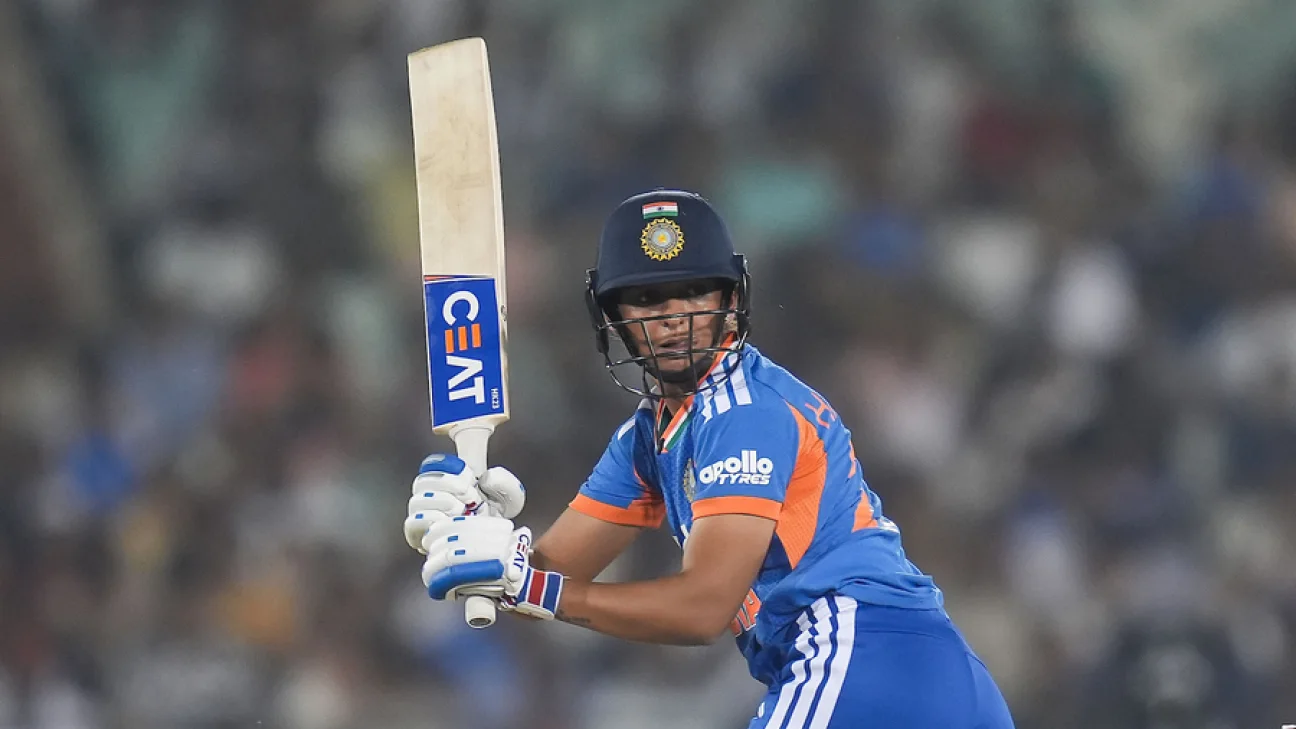
Test and ODI skipper Shubman Gill, T20I captain Shreyas Iyer and head of cricket VVS Laxman were present at the meeting. The review of the disappointing performances in Ireland and England also led to discussions on future tours to SENA countries and India’s engagements in the next FTP.
“We did not do well. You all know that. We lost matches in Ireland and also in England in the T20s, and we lost the ODIs 2-1 as well. So, we wanted to know what the reasons were. We have to do some soul-searching about that and chalk out a strategy for what we will be doing in future before going to any of the SENA countries.
“The only challenge we are facing is that there are too many matches in the year, and that is why, in the next FTP, we will do certain things and take certain measures. We have instructed our FTP people, who will be meeting very soon at various international forums, that our FTP should be scheduled in such a way that there is proper rest for the players, as well as some kind of acclimatisation or friendly matches before any major series in SENA countries.”
Injuries have been a major concern for the team with players suffering frequent breakdowns. The meeting addressed the issue. “Individual players are having injuries because they have to play a lot of matches. If you look at their schedule, for example, in England we had a 15-player team for the ODIs, and out of those 15, three or four players got injured during the matches,” Saikia said.
“But we also have to think about the fact that they had played two months of IPL prior to that. All this takes a toll on the health of the players as well. To avoid those kinds of situations, we are trying to find out what best we can do within the present windows and the present FTP.
“We have a protocol in place for how a player can come back and play international matches again. When a player is injured, he either goes to his own physio or comes to the rehabilitation programme at the CoE. Before allowing him to be a part of the Indian team, there are certain measures he has to take and certain hurdles he has to cross. We revisited those things today and discussed the best way forward to ensure that the players remain injury-free during international matches. We have discussed these issues, and we will discuss this topic further in our next meetings.
“We have taken feedback from the captains and the head coach, who are the right persons to give us the information so that we can chalk out a proper strategy to avoid all these kinds of unwanted situations during any international or bilateral matches.”



Leave a Reply