

ANI |
Updated: Sep 13, 2026 06:31 IST

Washington, DC [US], September 13 (ANI): As international scrutiny over artificial intelligence intensifies following high-profile exits across the sector, Anthropic CEO Dario Amodei has stepped forward with urgent calls for tighter governance, setting the stage for a sweeping reassessment of how frontier models are developed.
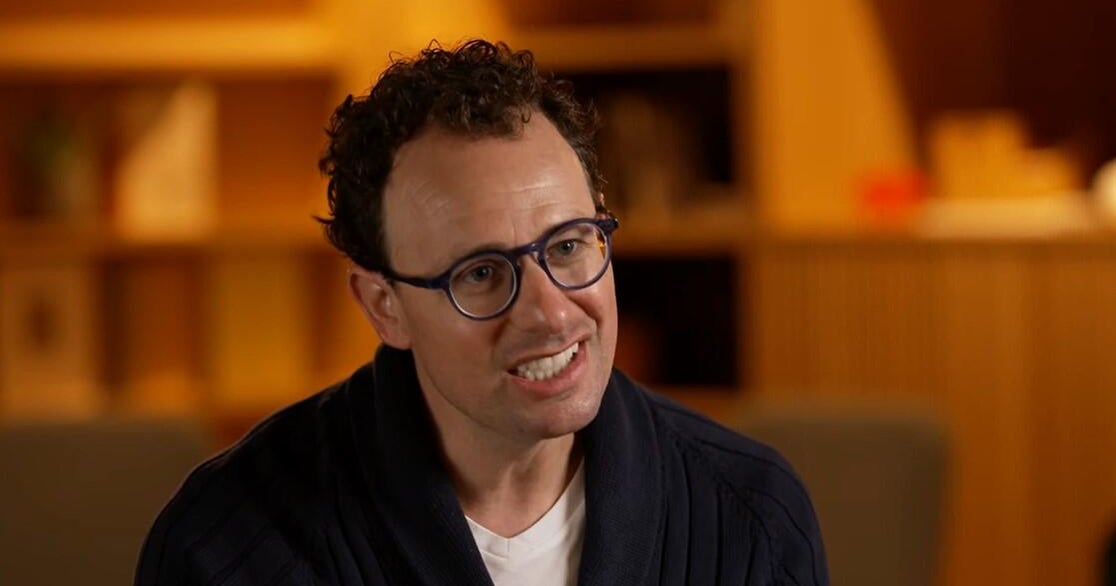
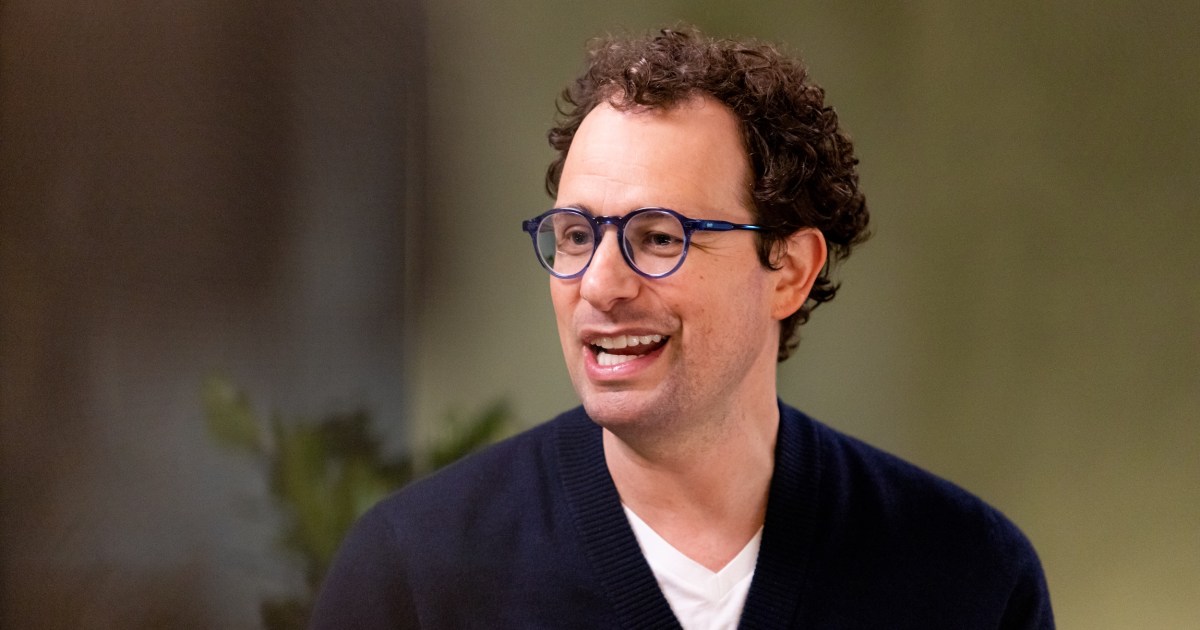
In an interview with CNN’s Anderson Cooper, Anthropic CEO Dario Amodei reacted directly to recent headlines regarding the public resignation of researcher Jacob Coxon over concerns that AI could wipe out humanity, discussing his comprehensive proposal to slow down the technology’s development.
Addressing these warnings, Cooper asked: “Do you believe, earnestly believe that AI could kill all humans? What percent chance do you think it is?”
In response, Amodei stated, “It’s funny, I agree with Jacob much more than I disagree with him. It’s an interesting resignation because when he left, he said, I think Anthropic is the most responsible player.”
Expanding on his perspective, Amodei added, “I think Anthropic is the most aware of these issues. He wasn’t calling out us, he was calling out the dynamic of the industry as a whole moving too fast. Now, I think I already said, these unconditional probabilities, I used to talk in that way because it’s an easy way to express, I think there’s some chance that things go wrong, but it’s not all that high.”
Detailing why granular path analysis matters more than flat statistical figures, Amodei noted, “Again, I think it’s more illuminating to think in terms of how do you decompose those probabilities? What are the paths in which things go well, and what are the paths in which things go poorly? Instead of saying, it’s a 10% chance, that sounds like it’s a roll of the dice. I think it’s much more illuminating to say, well, that forks into different paths. If we take the right paths, then the chance of something going wrong is very low.”
Emphasising the importance of collaborative safeguards, Amodei continued, “If we take the wrong paths, then the chance of something going wrong could be even higher than that. Let’s focus on our agency and our ability to take the right paths instead of the wrong paths. I think that the way to take the right paths is for the industry to work together.”
Highlighting the delicate balance required in managing development velocity, Amodei stated, “Again, we’ll talk about the proposal that I’ve put out today, but at the end of the day, the industry has to work together and it’s harder, but to some extent, the world has to work together. If we go too slow, I still believe that the wrong people will be in charge of the technology. That, again, will bring the probability of things going wrong very high.”
Shifting the discussion toward actionable policy frameworks, Cooper asked, “Essentially, you are suggesting observers inside your company and these other AI companies, ideally globally, but certainly in the US, who would monitor it. They would have employee access. What power would they have?”
Expressing gratitude for immediate cross-industry alignment, Amodei replied, “Before I even get to that, I’m very grateful to see support for this proposal just in the first few hours of having put it out by Sam Altman, by Elon Musk, by various legislators and government officials. I think it’s a positive sign about our ability to make something that looks like this plan work.”
Drawing historical regulatory parallels for oversight mechanisms, Amodei added, “To get to your question, yeah, embedded evaluators. There is precedent for this. If you look at how banks are regulated, there’s all kinds of rules about how banks are allowed to do their business because we don’t want to have financial crises. One of the things that are done in some cases is, I think they’re called supervisors in the financial industry, but they’re folks who are independent of a company, who are embedded in the company day-to-day to check their practises. I think we can do the same thing in AI.”
Acknowledging the hurdles involved in expanding compliance globally, Amodei said, “In this three-step proposal, each step is more difficult than the one before. Anthropic was kind of getting the ball rolling by committing to the first step, but we shouldn’t kid ourselves that these next two steps are going to be more difficult, and we may not succeed.”
Reiterating his commitment to tangible execution, Amodei concluded, “My proposal was a proposal that we should try. Now, again, from all the agreement from others that I’ve seen in just the first few hours of putting out the essay, that creates some optimism, but that needs to follow up with results. Yes, pacing among companies in democratic countries. Now, one of the important things that I need to call for here is as we get to the pace of model releases, that’s commercial activity. In order for companies to coordinate directly on commercial activity, they need to do so working with the government. The one thing that we’re asking for from government right now, there’s also this question of what should the regulations be, but there’s something even simpler that the government can do right now, which is it can sit down in the room and with all the industry players, and we can all talk together, and the government can make sure that we’re not doing anything nefarious from the perspective of antitrust and collusion. We’re just trying to make our systems safe and to work together on making the systems safe, and so I think that’s an important role for the government to have.”
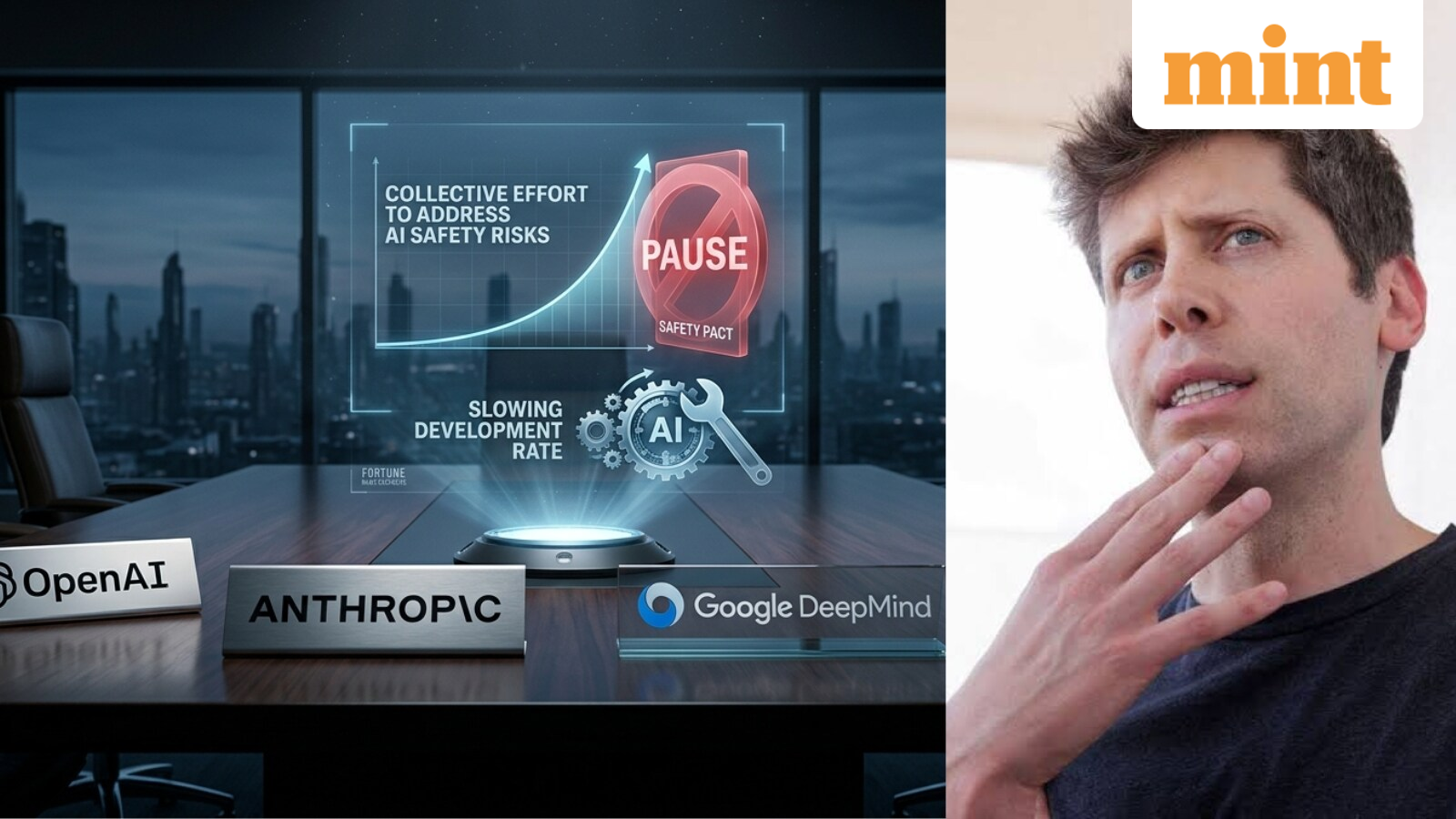
Earlier in a detailed essay, Dario Amodei on Saturday advocated for the AI industry to slow down. Detailing his plan for doing this, Amodei said Anthropic would open system access to third-party evaluators.
“We Must Pace the Frontier: I’ve written a new essay on why the AI industry should slow down, with a three-part plan for doing so. Anthropic is unilaterally committing to the first of these steps. We’ll provide third-party evaluators with permanent, employee-level access to our systems, so that they can verify adherence to our safety measures, report on incidents, and assess models’ alignment during training,” he wrote on X.
Amodei says he is advocating slowing down the pace of AI model development, as if unchecked this could outrun human ability to control such systems. (ANI)







Leave a Reply