
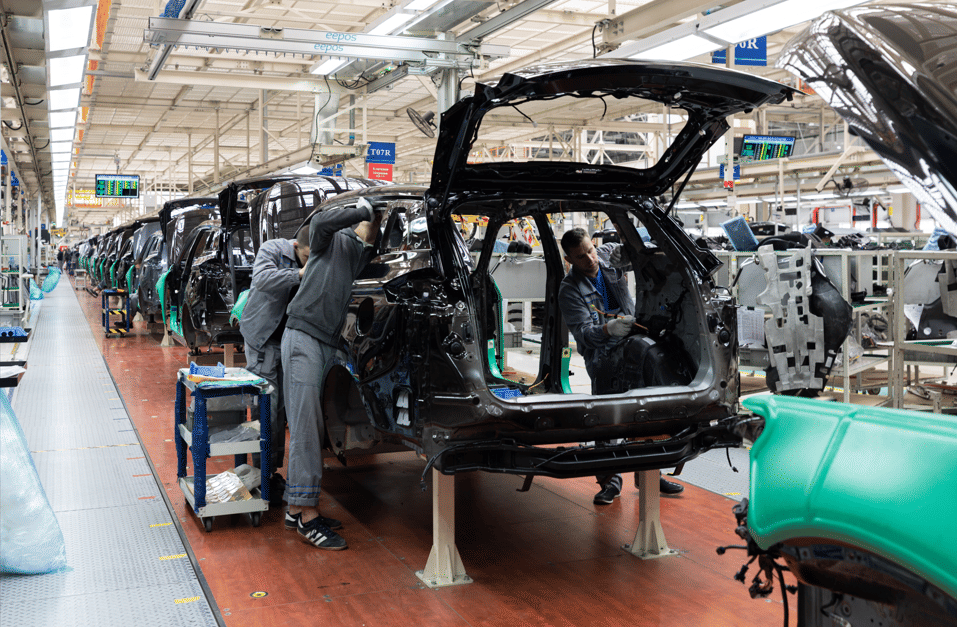
India’s automotive manufacturing sector stands at a defining moment. AI, automation and connected technologies are reshaping how factories run, but one thing is clear: people remain at the centre of this transformation, not on the periphery of it.
As production environments become more digitally enabled, shop-floor employees are being asked to work with data-driven processes, new-age machinery and increasingly automated workflows.
The real question is how effectively AI can be used to build a more productive, skilled and engaged workforce. Start with hiring. The industry needs to recruit large numbers of shop-floor employees, across multiple locations, on tight timelines.
AI makes it possible to screen candidates faster, identify relevant skills and match people to roles based on real experience. Getting the right person into the right role faster isn’t a nice-to-have, it’s a direct lever on operational efficiency.
The opportunity doesn’t stop at recruitment. Workforce administration is often written off as routine back-office work, but it’s one of the biggest untapped sources of efficiency available. Face-recognition-based attendance systems automate attendance capture, cut manual check-ins, and reduce dependence on conventional biometric hardware, simplifying shift management while producing more reliable workforce data.
That data only pays off when it’s turned into decisions. Combine attendance, shift availability, role requirements and manpower demand, and AI gives supervisors real visibility into where workforce gaps are about to emerge, and how to deploy people ahead of the problem, not after it.
Employee experience deserves equal attention too, and the industry hasn’t given it enough. Frontline employees work across shifts and often lack easy access to traditional HR channels. Intelligent HR assistants close that gap, handling policy queries, attendance regularisation, issue reporting and feedback through a simple digital interface.
That makes support more accessible and gives leadership a clearer read on what’s actually on employees’ minds. That leads directly to retention; one of the toughest, most persistent challenges on the frontline.
Attrition drives up the cost of recruiting and retaining the same roles repeatedly. AI-driven workforce analytics can surface patterns; absenteeism, no-shows, overtime fatigue, shift-related dropouts, early enough for managers to act. The goal isn’t simply predicting who will leave.
It’s understanding why employees disengage in the first place. The bigger opportunity is preparing the workforce for the factory of the future. As automation takes on repetitive work, employees can focus on judgement, problem-solving and technical expertise.
AI-enabled learning makes it possible to personalise upskilling at scale. The long-term workforce strategy cannot simply be “hire more people” it has to be building workplaces where people can learn, grow and see a real career path.
Human judgement, experience and accountability will always matter on the shop floor, especially with the unexpected, where no algorithm can make the call. Technology brings speed, data and intelligence; people bring context and judgement.
India’s automotive winners will be the ones who bring both together, hiring smarter, deploying better, and building skills continuously.








Leave a Reply