
Image: QQMinh88 / Shutterstock
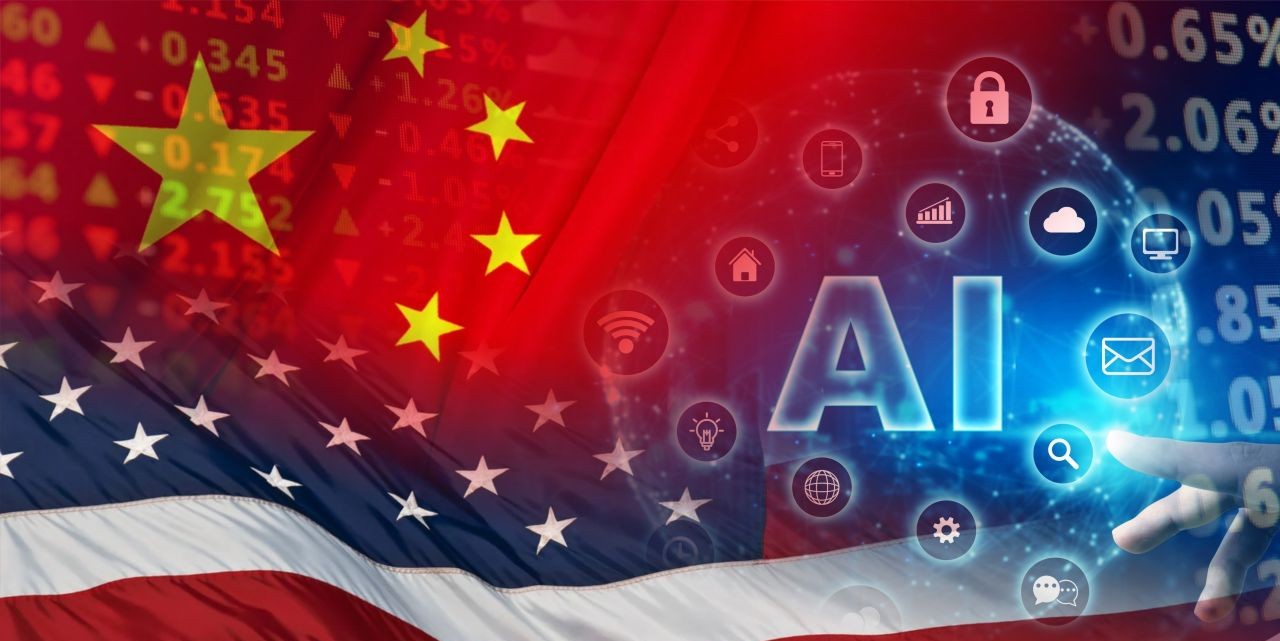
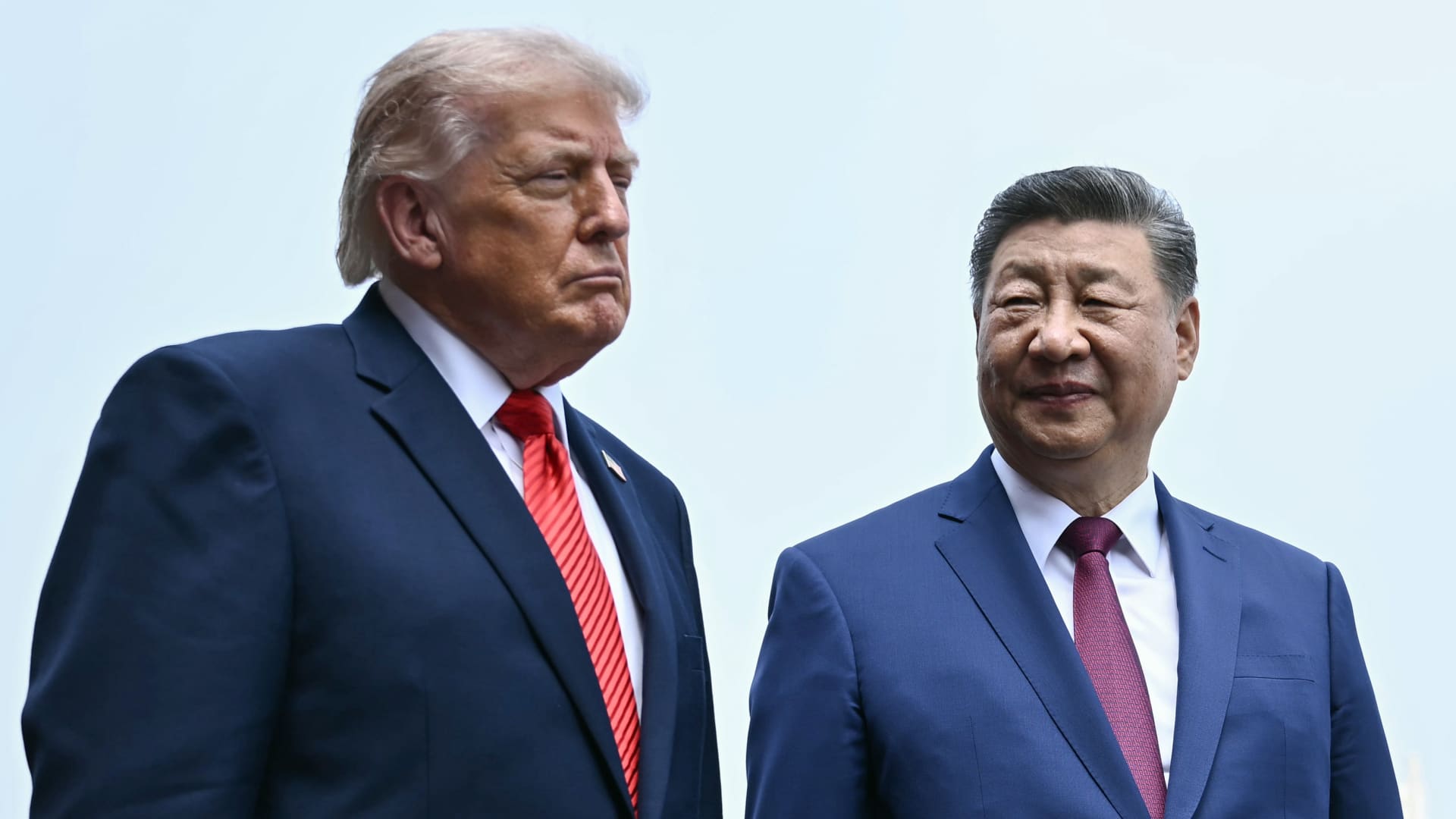
As Donald Trump and Xi Jinping prepare to meet in Washington, much of the attention will naturally focus on familiar issues: tariffs, rare earths, semiconductors, agricultural purchases, and the future of the China–US trade truce. Yet the most consequential development may be occurring in an area that was barely central to the summit agenda only a few weeks ago: artificial intelligence.
Following talks in New York between US Treasury Secretary Scott Bessent and Chinese Vice Premier He Lifeng, the two sides agreed to establish a formal dialogue on AI and to meet again in Shenzhen in roughly two months. Bessent also described plans for an “incident line” through which the two governments could communicate when AI-related events rise to the level of national security concerns. The discussions reportedly include risks from uncontrollable AI agents and cyber threats involving non-state actors.
This is significant because AI does not fit neatly into the traditional distinction between areas of China–US competition and areas of cooperation.
The two countries remain intense technological competitors. Washington views leadership in advanced AI as central to future economic and military power, while restrictions on advanced chips and semiconductor manufacturing equipment remain an important part of US technology policy. Indeed, US officials explicitly said those export controls were not part of the new AI dialogue. A breakthrough toward artificial general intelligence could potentially transform productivity, military capabilities, and the broader balance of power. Neither side is therefore likely to accept meaningful constraints that it believes could leave it technologically behind.
From an international-relations perspective, however, AI introduces something unusual. The international system remains anarchic, but the current China–US relationship can still be relatively stable so long as both sides continue to recognize the costs of escalation and operate within the existing pattern of reciprocal vulnerability. AI could potentially alter that structure in two ways: a major breakthrough could sharply shift the balance of capabilities between the two countries, while an uncontrolled AI system could create an external threat capable of endangering both. In that sense, AI may not simply become another arena of competition; it could eventually affect the polarity and even the basic structure of the international system.
AI simultaneously creates risks that do not respect geopolitical boundaries. A powerful autonomous system attacking critical infrastructure, assisting non-state actors with cyber operations, or contributing to the development of catastrophic weapons could threaten both countries regardless of which government developed the underlying technology.
That makes AI a different kind of strategic issue. China and the United States may increasingly find themselves competing over who develops the most capable AI while cooperating over what happens when highly capable AI becomes dangerous.
The distinction matters. An AI dialogue need not become an arms-control agreement to be useful. Even during periods of intense strategic rivalry, governments can exchange information about accidents, establish emergency contacts, clarify thresholds, and reduce the risk that an unexplained technological event is mistaken for deliberate hostile action. The immediate objective should therefore be modest: transparency where accidents could trigger escalation, rather than an unrealistic attempt to harmonize the two countries’ entire AI policies.
A second debate ahead of the summit illustrates a different dimension of the same problem: how much stability should the two sides try to institutionalize?
The current trade truce expires on November 10. Both governments appear interested in extending it, but they reportedly disagree over its duration. Washington has favoured extensions of around six months, partly to retain regular opportunities to assess implementation, including Chinese commitments concerning critical minerals. Beijing, by contrast, is reported to prefer a much longer extension, roughly through the remainder of Trump’s term, rather than repeatedly reopening the possibility of tariff escalation.
This is more than a disagreement about the calendar. It reflects two different concepts of stability.
The American approach favours conditional stability: extend the truce, measure compliance, and preserve leverage by requiring another decision six months later. The Chinese preference emphasizes predictable stability: remove the recurring deadline itself so that businesses, investors, and governments can plan without wondering every few months whether another tariff confrontation is imminent.
Both approaches have an understandable logic. But there is also an obvious tension. A truce that must repeatedly be renegotiated preserves bargaining leverage, yet every expiration date becomes another potential crisis. A very long truce provides greater predictability, but it can reduce incentives to address commitments that one side believes remain unfulfilled.
A potentially more durable architecture would combine the two ideas: a longer baseline truce accompanied by regular six-month implementation reviews. Reviews would provide accountability without automatically reopening the tariff war each time. Such an arrangement would benefit not only China and the United States, but also companies and third countries whose supply chains remain exposed to sudden policy changes.
The emerging Board of Trade could reinforce the same logic by identifying non-sensitive goods for lower barriers while leaving genuinely security-sensitive sectors subject to separate rules. US officials said the two sides made progress in New York on operationalizing this mechanism.
Taken together, the AI dialogue and the debate over the trade truce suggest that China–US relations may be entering a new phase. The important question is no longer whether strategic competition can be eliminated. It cannot. The more realistic challenge is whether temporary restraint can gradually be converted into institutions that make competition more predictable.
AI incident notification, scheduled trade reviews, longer periods of tariff stability, and a clearer separation between strategic and non-strategic commerce are all relatively limited measures. Yet limited mechanisms can matter greatly when the alternative is repeated escalation between the world’s two largest economies.
The next stage of China–US stabilization may therefore depend less on grand bargains than on something more practical: learning how to manage risks that neither side can fully control alone.
Related articles:
Before Washington: Xi and the Contest Over Global Leadership (3-minute read)
The September 24 Test: Iran, Protocol, and the Future of Xi-Trump Diplomacy (3-minute read)
The Canada–US Trade War Is About More Than Trade (3-minute read)








Leave a Reply