
TL;DR: A new Wall Street Journal report, based on interviews with more than 60 teachers, school officials, clinicians, parents, and kids, shows how large Google looms in American schools—and how easy it is for students to access the tech giant’s AI tools.
What happened: Some school districts are trying to kick AI out of the classroom, including in New York City and Los Angeles, home to the two largest public school systems in the US.
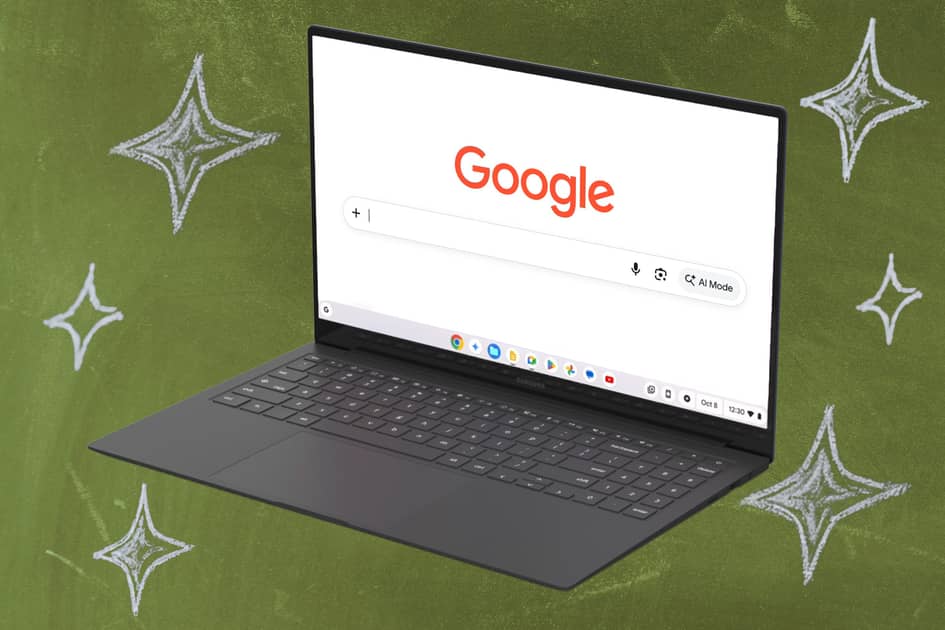
But there’s a problem with most of these bans: Kids can still use Google Search, where an AI summary and AI Mode chatbot now live at the top of many results’ pages—with Google currently not allowing schools to turn them off. (LA, for its part, says it had to build its own tool to block the Search chatbot.)
As concerns rise over AI use in schools, some parents and educators are looking right at Google, whose products have been fixtures in US classrooms for well over a decade. By the company’s own count, Google’s education software serves over 170 million teachers and students all over the world, and in an informal New York Times poll of teachers last year, 80% said their district handed out Chromebooks to students.
That’s made Google’s products “a critical launchpad for its AI tools to reach kids,” as the WSJ put it—and the world’s most popular search engine might be the jumping off point. AI search summaries are kids’ most widely experienced form of AI, per a March survey from a children’s safety nonprofit, and in a separate test of Google Search, the group found that the integrated AI features completed every homework assignment they typed in. (Google disputes this test’s methodology.)
Tech Brew breaks down the biggest tech news, emerging innovations, workplace tools, and cultural trends so you can understand what’s new and why it matters.
Google’s long push into education: The company’s influence on US schools stretches well beyond Chromebooks. It also funds teacher AI training and runs a yearlong fellowship that trains superintendents and other school officials on its tech—Gemini included. (Per Google, fellows get no product discounts and aren’t required to use the company’s tools.)
The AI report card so far: As AI spreads through classrooms, some parents, teachers, and students are worried about falling grades and test scores. But the potential risks go beyond AI doing students’ work for them. One Maryland mother learned her teenage daughter had started confiding in Google’s AI, sometimes through the Chromebook her school issued. Gemini apparently told the teen that her mother’s rules around screen time and AI use were “coercive control, emotional abuse, and isolation” and even encouraged her to plot an escape.
Bottom line: Google’s deep reach in schools means that one tech company could have outsized sway over how an entire generation leans on AI to learn—and we’re already seeing the effects. As one teen student said of her AI use: “The Google one was the biggest temptation, because it’s the easiest to access.” —WK












Leave a Reply