
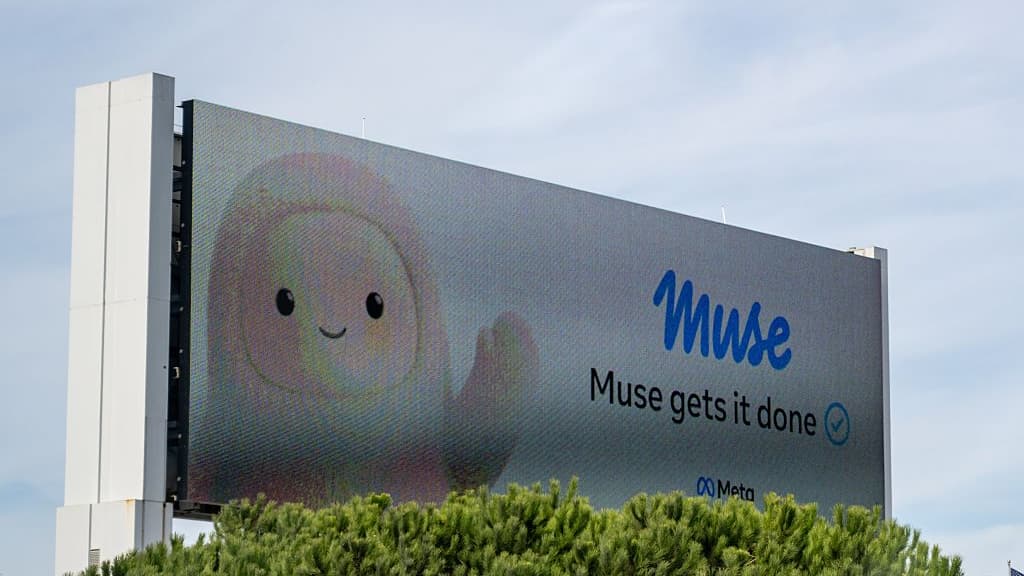
Since its release last month, Muse has rocketed to No. 1 in the U.S. App Store, with more than 5 million downloads. Meta positions the service as the first AI personal assistant that can access the pieces of your digital life, from your email inbox to your Instagram, in order to take care of humdrum activities for you, from grocery shopping to canceling subscriptions. Meta says the free version of Muse will meet most users’ needs.
Each Muse assistant runs on its own virtual machine: a dedicated computer in Meta’s cloud. Users can ask their Muse to export a copy of its files. Meta has said that access is intentional, not a breach of its systems. The data is not shared with Meta’s advertising system or other Muse agents, according to the company.
Yet while Meta states that each user’s virtual machine is “isolated so that no one else’s agent can access it,” observations from personal interactions are nevertheless intended to be shared with Meta to improve the product. “Muse agents across many VMs [virtual machines] teach each other through shared lessons,” its instructions read. Agents are directed to scrub users’ names and other identifying information before sharing insights—for example, about when Muse’s nudges are most persuasive. “To enhance the overall product, we de-identify learnings; however, this information is used to improve the overall product rather than being shared directly between individual VMs,” a Meta spokesperson told TIME.










Leave a Reply