
Traders were pricing in an almost 22 per cent chance the US Federal Reserve will hike interest rates this month, according to CME’s FedWatch tool, up from 17.7 per cent on Friday.
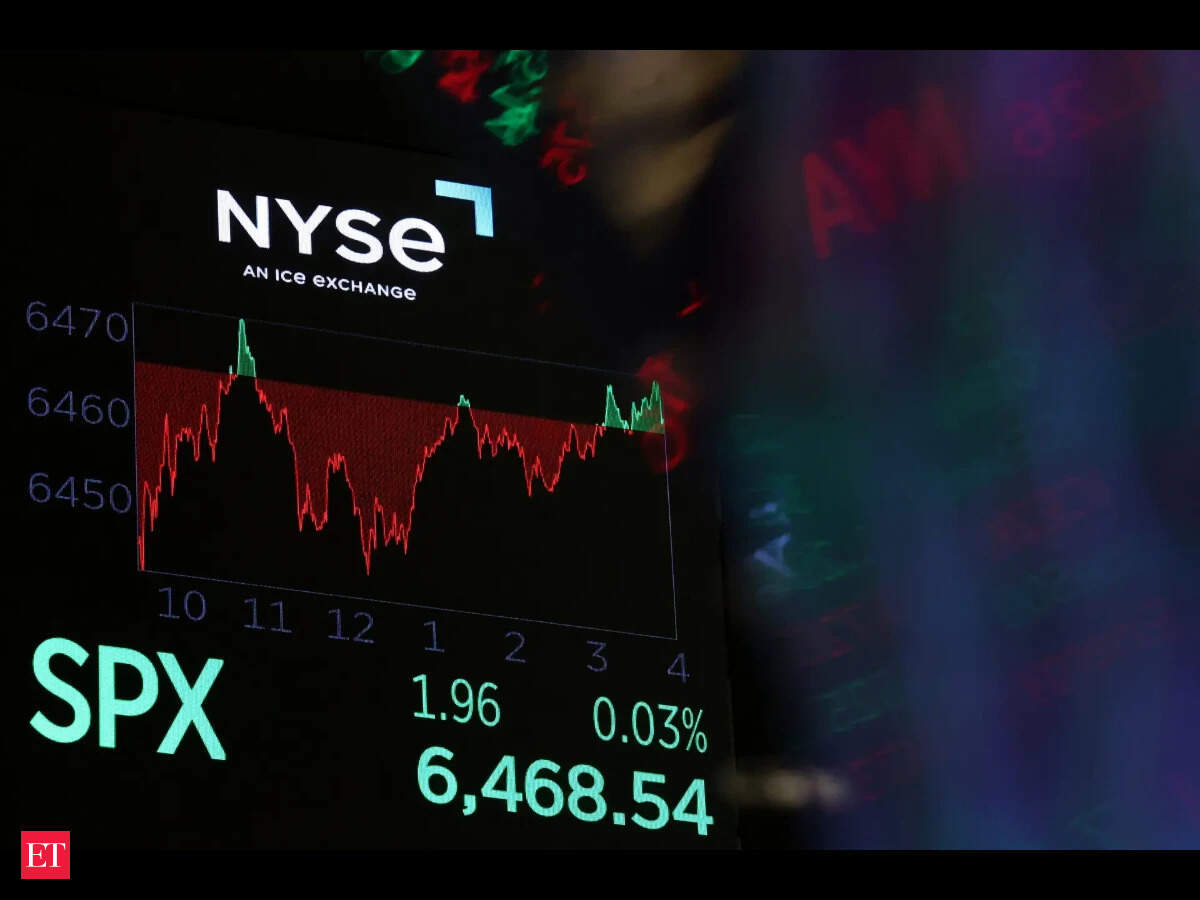
Declining issues outnumbered advancers by a 1.09-to-1 ratio on the NYSE where there were 149 new highs and 272 new lows. On the Nasdaq, 1,888 stocks rose and 3,008 fell as declining issues outnumbered advancers by a 1.59-to-1 ratio.
The S&P 500 posted 10 new 52-week highs and five new lows while the Nasdaq Composite recorded 51 new highs and 318 new lows.
Top and Worst Performing Sectors, Stocks at Wall Street

With oil prices rising, energy outperformed among the S&P 500’s 11 major industry sectors with a 1.5 per cent advance. The defensive consumer staples sector rose more than 1 per cent along with the S&P 500 communication services index, which was boosted by a more than 3 per cent gain in heavyweight Meta .
Technology, down 0.9 per cent, and consumer discretionary , off 0.7 per cent, were the biggest sector laggards. Technology’s weakness was most pronounced among chip stocks with the Philadelphia semiconductor index finishing down 2.7 per cent after hitting a three-week low.In consumer discretionary, Chipotle Mexican Grill shares fell 3.8 per cent after Starbucks said it was not buying the burrito chain. Starbucks shares closed up 1.7 per cent.
Microsoft finished up 1.1 per cent with its market capitalization climbing above $4 trillion for the first time in a year after it announced plans for major deployment of its own AI chips.
Salesforce shares added 2 per cent after BofA Global Research upgraded the stock to “buy” from “underperform.” Also eBay rose 2 per cent after Morgan Stanley added the stock to its top-pick list.
Shares in roughly 64 per cent of the companies in the S&P 500 rose, led by communication services stocks. Meta Platforms rose 3.4 per cent, T-Mobile added 2.2 per cent, AT&T gained 1.4 per cent and Verizon Communications rose 2.7 per cent.
Energy stocks had some of the biggest gains as oil prices kept rising. Chevron rose 1.4 per cent. Despite those gains, a slide in big technology stocks dragged the market into the red.
Micron Technology fell 3.9 per cent, Advanced Micro Devices dropped 2.3 per cent, Broadcom slid 1.9 per cent and Nvidia gave up 1.3 per cent. They are among several companies in the sector with big stock values that tend to have a heavy influence on the market. They have also been the driving force behind the broader market’s record gains throughout the year.
Those companies could face more scrutiny from investors during this round of corporate earnings as Wall Street tries to get a better sense of whether the stock gains made during the frenzy over artificial intelligence can translate into future growth. Stocks are reaching for records often because of the tech sector, but remain very volatile on a daily basis, partly because of big shifts in oil prices and their impact on bond yields and inflation.
US Treasury Yields Impact
Inflation and expectations for high interest rates have been driving Treasury yields higher in the bond market. The 10-year Treasury yield, which influences mortgage rates, recently touched its highest level since 2002. It has since eased a bit and stood at 5.24 per cent late on Friday. U.S. bond trading was closed Monday for the Columbus Day holiday.
Higher mortgage rates have been weighing on the housing market and Wall Street will get an update on home sales on Tuesday.
The latest round of corporate earnings updates ramps up this week with financial results from banks. Citigroup, JPMorgan Chase and Wells Fargo will report their results on Tuesday and Bank of America will report its results on Wednesday. They have been reporting record profits throughout the year and Wall Street expects more of the same for the latest quarter.











Leave a Reply