
WASHINGTON – After Ryan O’Donnell failed to pay $524.60 for parking tickets in Chicago, the city sold his Toyota without clearing his debt or giving O’Donnell any of the proceeds.
The city also took Michael Goree’s Chevrolet because a co-signer of his car loan had outstanding ticket debt on a different vehicle.
The Supreme Court on Oct. 19 declined to decide whether Chicago’s parking enforcement practices violate the Constitution’s ban against governments taking someone’s property without fair compensation.
Lower courts ruled against O’Donnell and Goree, who filed a class action lawsuit against the city.
The Chicago-based 7th U.S. Circuit Court of Appeals said the city’s rules serve a punitive purpose and are a legitimate extension of the police’s enforcement power.
“Without this graduated forfeiture scheme, vehicle owners who repeatedly violate the traffic code could evade punishment,” the court ruled last year.
Justice Sonia Sotomayor said in a statement joined by Justice Neil Gorsuch that she has “serious concerns” about that conclusion. But Sotomayor said she agreed with her colleagues that they shouldn’t take up the issue now before more lower courts have weighed in on when a state’s police powers override the just compensation requirement.
“I again encourage courts considering this issue to take care that due deference to state police powers does not eclipse constitutional rights,” she wrote.

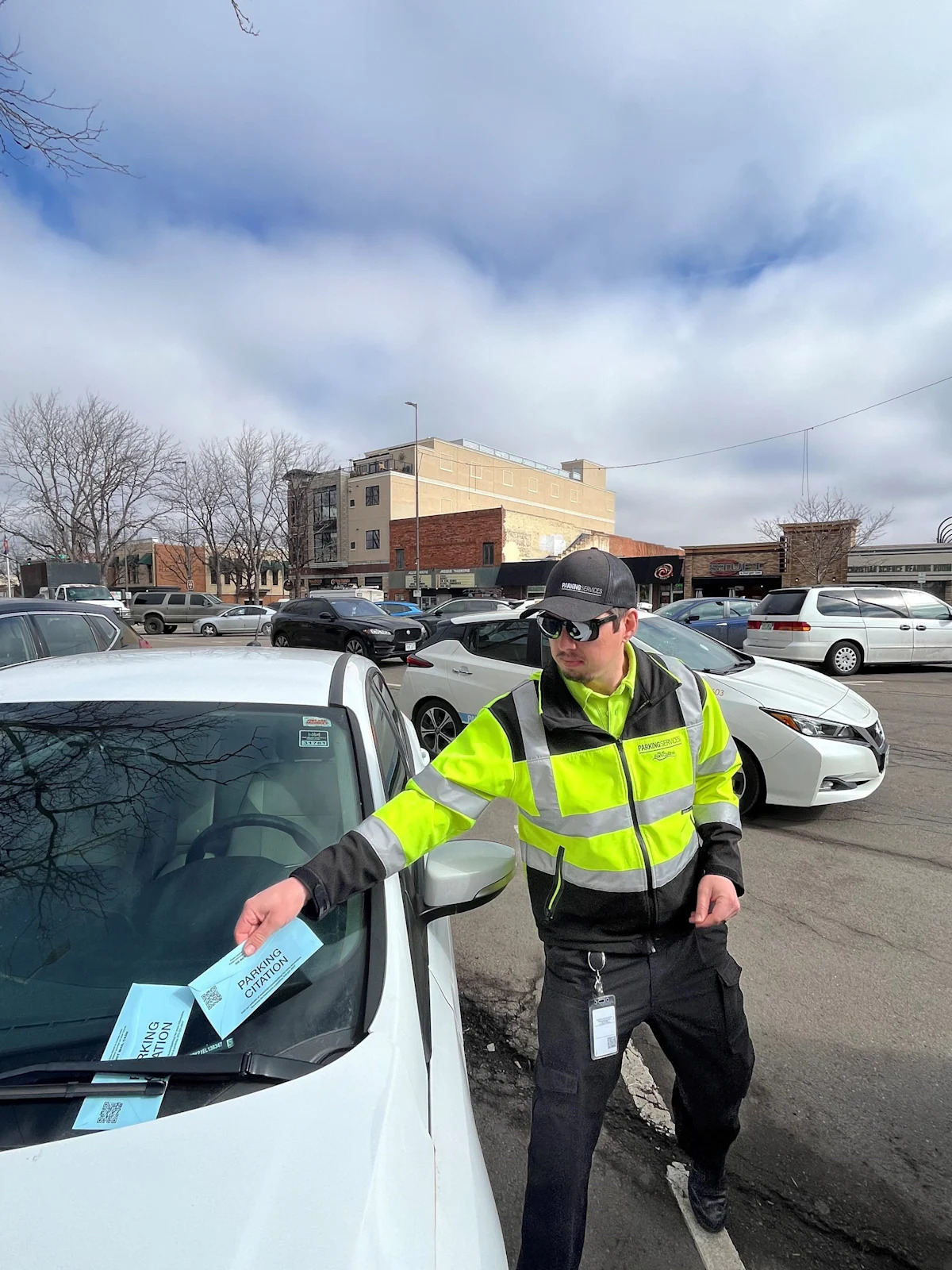
Roman Ramirez, a parking enforcement officer with the city of Fort Collins Parking Services, places a parking ticket on a windshield of a vehicle parked along College Avenue in Fort Collins, Colo., on Feb. 15, 2024. The city issues nearly 47,000 parking tickets a year.
Lawyers for the men who lost their cars said the 7th Circuit’s decision is at odds with the Supreme Court‘s 2023 ruling about unpaid property taxes. If a house is sold to pay the outstanding taxes, the court said, the government can’t keep any surplus funds.
In Chicago, the city can take any vehicle of a driver who racks up three unpaid parking tickets, or two in one year. If the owner can’t pay the tickets plus the cost of towing and storing the car, the city can sell it.
“The result is devastating and counterproductive,” lawyers for O’Donnell and Goree wrote in their appeal.
More: Supreme Court sides with grandmother who lost home, equity because of back taxes
They said the city’s “aggressive ticketing and tow practices” have been so financially devastating for so many residents that Chicago leads the nation in bankruptcy filings.
“Taking property worth vastly more than the fines and penalties exceeds any interest in enforcing the City’s parking and traffic laws,” they wrote.
The city said it offers generous installment plans to pay fines for those facing financial hardship.
And when Chicago does get rid of impounded vehicles, they’re often in such bad shape that the proceeds don’t cover all of the city’s costs, the city’s lawyers said in a filing.
O’Donnell’s vehicle was sold for scrap value and Goree’s was turned over to the lienholder.
This article originally appeared on USA TODAY: Supreme Court won’t hear case about unpaid parking tickets










Leave a Reply