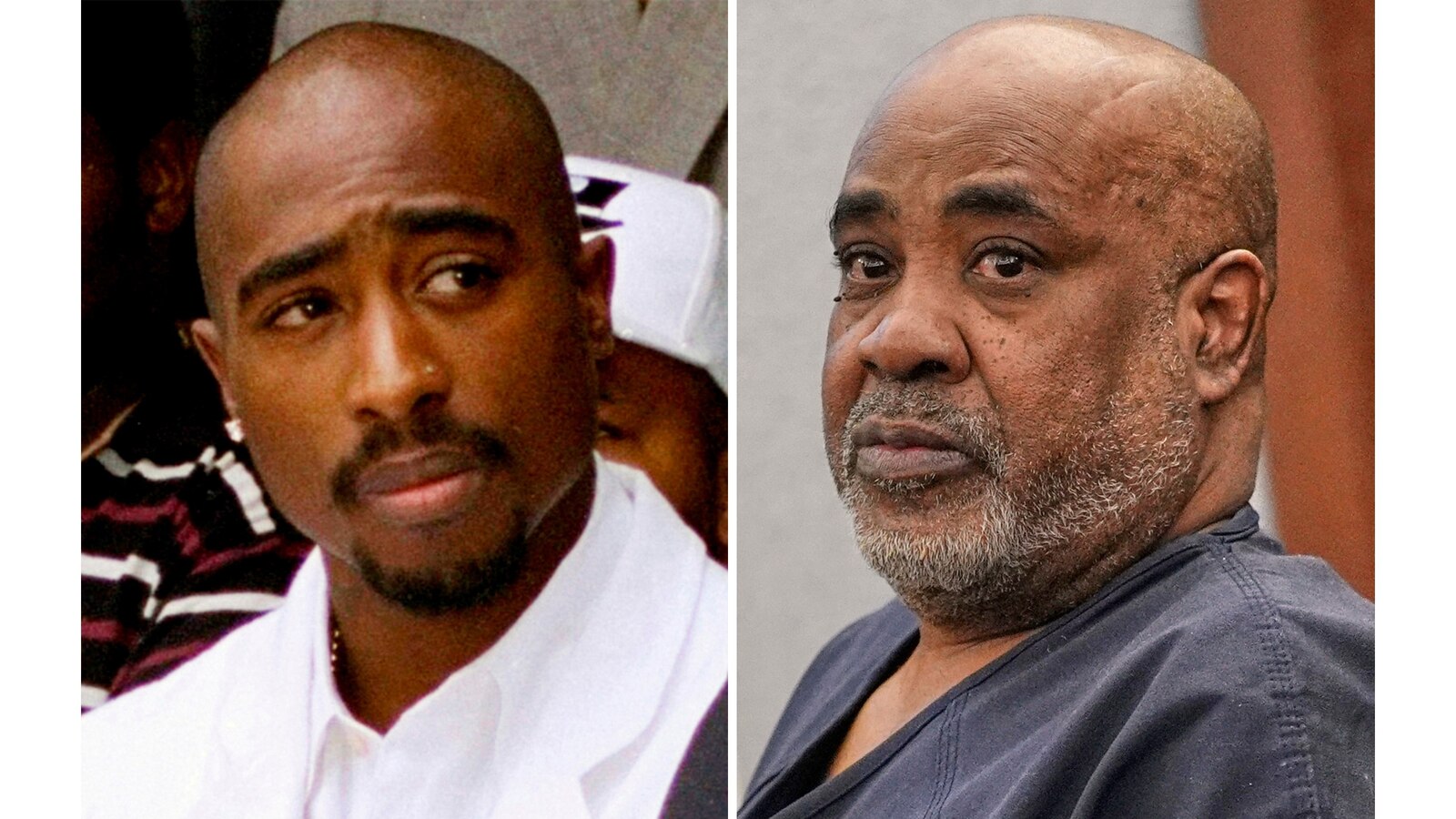
A judge has ruled that a book co-written by Duane Davis, who prosecutors allege ordered the 1996 killing of rap icon Tupac Shakur, will be used in trial
Las Vegas — A book co-written by the man who prosecutors allege ordered the 1996 killing of rap icon Tupac Shakur can be used in trial, a judge ruled Tuesday.
The defense attorney for Duane “Keffe D” Davis tried to bar the 2019 memoir “Compton Street Legend” from being used in trial, which is scheduled to begin Aug. 10, as well as statements Davis had made to police in 2008 and 2009.
Davis, 63, faces one charge of murder with a deadly weapon with the intent to promote, further or assist a criminal gang in the drive-by shooting of the rapper in Las Vegas.
Shakur was in a black BMW on Sept. 7, 1996, in Las Vegas with Death Row Records founder Marion “Suge” Knight when a white Cadillac pulled up beside them at a red light near the Las Vegas Strip, and gunfire erupted. Shakur was shot multiple times and died six days later, while Knight survived with minor injuries.
Shakur’s death is considered one of the most notorious unsolved murders in the United States. The case had gone cold until Davis began making public statements about it, including in a book he co-wrote in which he said he was in the Cadillac and provided the weapon used to shoot Shakur. The book revived detectives’ investigation, and Davis was arrested in September 2023. Davis pleaded not guilty.
The state’s case hinges on the book Davis co-authored about his time in the gang South Side Compton Crips and statements he made in YouTube interviews.
Michael Sanft, his attorney, argued that the book was fictionalized to make a profit, and that it was unclear which parts — if any — Davis actually wrote. He also argued that statements Davis made to police in 2008 and 2009 should not be used in trial because Davis thought he had immunity due to a proffer agreement that allowed him to speak to detectives without being prosecuted.
Judge Carli Kierny determined that Davis adopted the statements in the book as his own, regardless if he wrote the whole book. She said he made multiple statements describing the book as the “real truth.” She also denied the motion to bar the statements he gave to police from trial, saying that an attorney was present and that he was free to leave at any time when talking with law enforcement.