
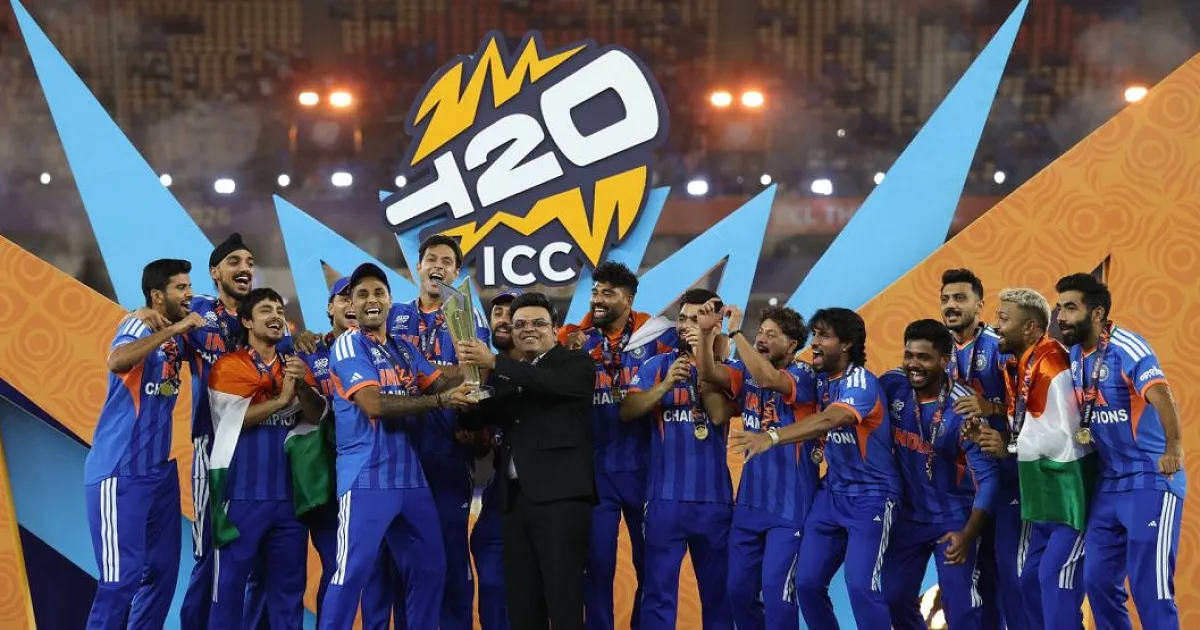
To select the best from the abundance of talent in India is no easy task. Talent can win matches, but it is the right selection that will herald a golden era, points out K R Nayar.

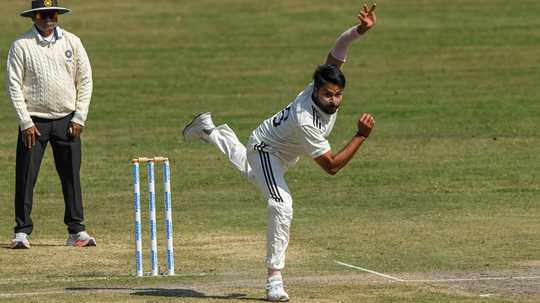
Photograph: BCCI
Key Points
- Ajit Agarkar’s reported exit could usher in a defining phase for Indian cricket ahead of the 2027 ICC World Cup.
- The next chief selector must combine talent identification, strategic planning and effective communication while managing growing selection responsibilities.
- Recent selection controversies and transition management have intensified scrutiny on India’s selection committee and its long-term vision.
- Balancing experienced players with emerging talent requires conviction, transparency and decisions based on current cricketing realities.
- The chief selector’s decisions will shape India’s future, making vision and consistency more important than simply picking squads.
There are reports that Ajit Agarkar’s tenure as India’s chief selector may end in September and his contract is unlikely to be extended.
Whoever takes on this role next will face an uphill task. The coming years are crucial, with many high-profile events listed, especially the ICC World Cup in 2027.
While captains lead on the field, it is the selectors who shape the future of the team.
Today, with so much pressure on maintaining rankings in all formats of the game in international cricket, and the need to analyse performances from franchise cricket, the workload for a chief selector is just very heavy, unlike in the past.
The modern chief selector must not be just a brilliant former cricketer alone, but a strategist, and a man with an exceptional eye for talent scouting.
When he steps into that role, he automatically becomes the custodian of Indian cricket’s future.
Agarkar’s role came under scrutiny after some puzzling calls during India’s tour of England. The controversy surrounding Rohit Sharma’s ODI future added fuel to the fire.
Coach Gautam Gambhir’s man-management too has come under the scanner. Names like V V S Laxman, Ravichandran Ashwin and Ravi Shastri are doing the rounds for the post of chief selector. Whoever takes the role should be a visionary.
The chief selector, as well as his team of selectors, should have clarity in their vision — where Indian cricket needs to go in the next two to three years.
It is very likely that during the next chief selector’s phase we may see a big name, or even names, being dropped if they do not perform to their potential.
Taking these decisions are likely to stir sentiments. Backing youth is as important as phasing out experience.
Hence transitions are never easy. Even the greatest careers must find closure. But how one does that determines how strongly the next one begins. A poorly handled transition doesn’t just end careers — it dents belief.
Wrong decisions give rise to stories of favouritism. The chief selector must be able to convey the rejection to the player in an amicable manner.
There have been instances where rejections were not conveyed, and the player who has served Indian cricket with distinction is shocked by his omission.
Uncertainty erodes confidence. Sanju Samson’s journey is a reminder — ignored repeatedly, yet standing tall through sheer resilience.
India Needs A Visionary Chief Selector
A chief selector must have conviction. The ideal candidate should not be just someone who has played the game, but one who understands where the game is going.
He should understand that cricket has changed from his playing days. The reason for backing or dropping a player must be based on present trends.
In the past, headlines in newspapers influenced selection, but today it is social media where even the unprofessional make strong statements.
In the name of format-specific selection, very talented and deserving players should not be ignored. The same applies to resting a player in top form by citing workload management.
When a selection table is divided, the chief selector must unite it with clarity, not compromise.
The impact of a wrong decision is rarely immediate, but it echoes over time.
The next chief selector must not be someone who just chooses a 15-man squad, but is able to give importance to India’s direction.
To select the best from the abundance of talent in India is no easy task. Talent can win matches, but it is the right selection that will herald a golden era.
Feature Presentation: Aslam Hunani/Rediff






Leave a Reply