
We know you’re all incredibly busy, so each week, we round up the science stories you need to know about.
This Week in Science: AI got a little more organized, dolphins were caught teaching fishing behavior, and a first-of-its-kind allergy treatment showed promise.
First up: 1,000 AI Agents Started Agreeing Without Anyone Telling Them To
Also this week:
Read on below, and make sure you also check out our TWIS video!
1,000 AI Agents Started Agreeing Without Anyone Telling Them To
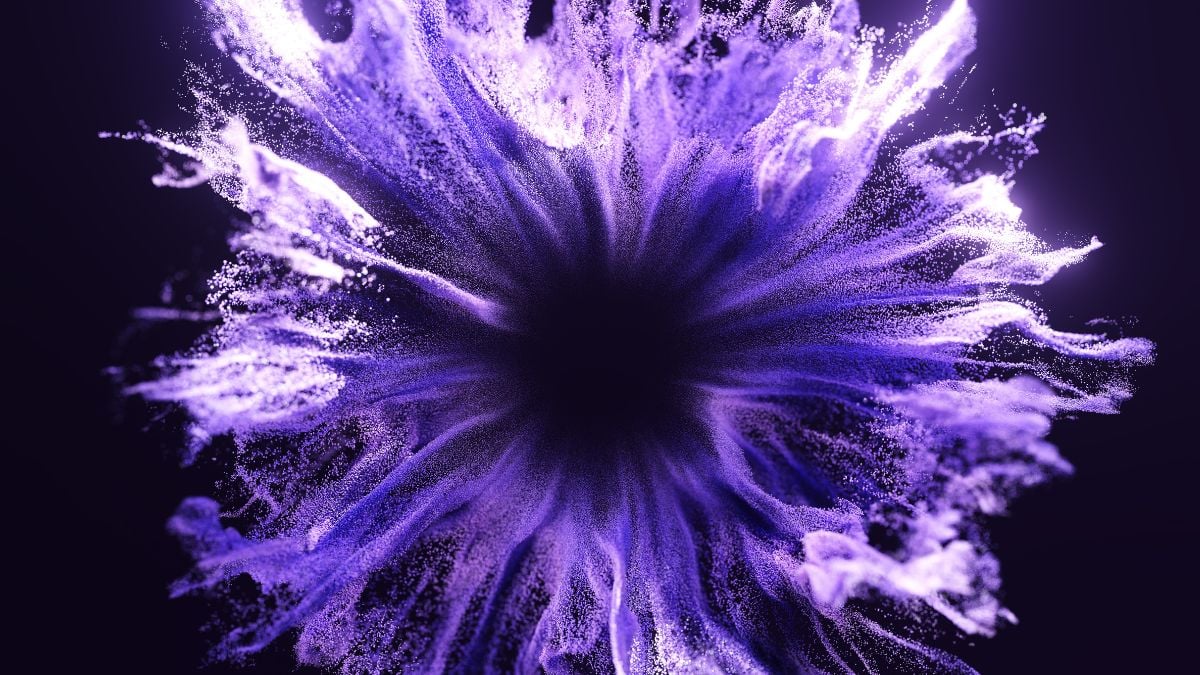
Imagine filling a virtual room with 1,000 artificial intelligence (AI) agents and asking each one to choose between two meaningless options.
There is no right answer. They receive no reward for agreeing, no instruction to cooperate, and no help from a leader. Yet some of today’s most capable AI agents can still end up making the same choice.
That is more than a curious experiment. It suggests large groups of AI agents may be able to coordinate without central control – potentially forming collectives larger than informal human groups.
In a new study published in Science Advances, researchers show how this spontaneous consensus emerges – and why it could be useful or dangerous.
Read the full story here.
‘Very Unexpected’: NASA Rover Zapped a Rock on Mars And Found a Gemstone Surprise
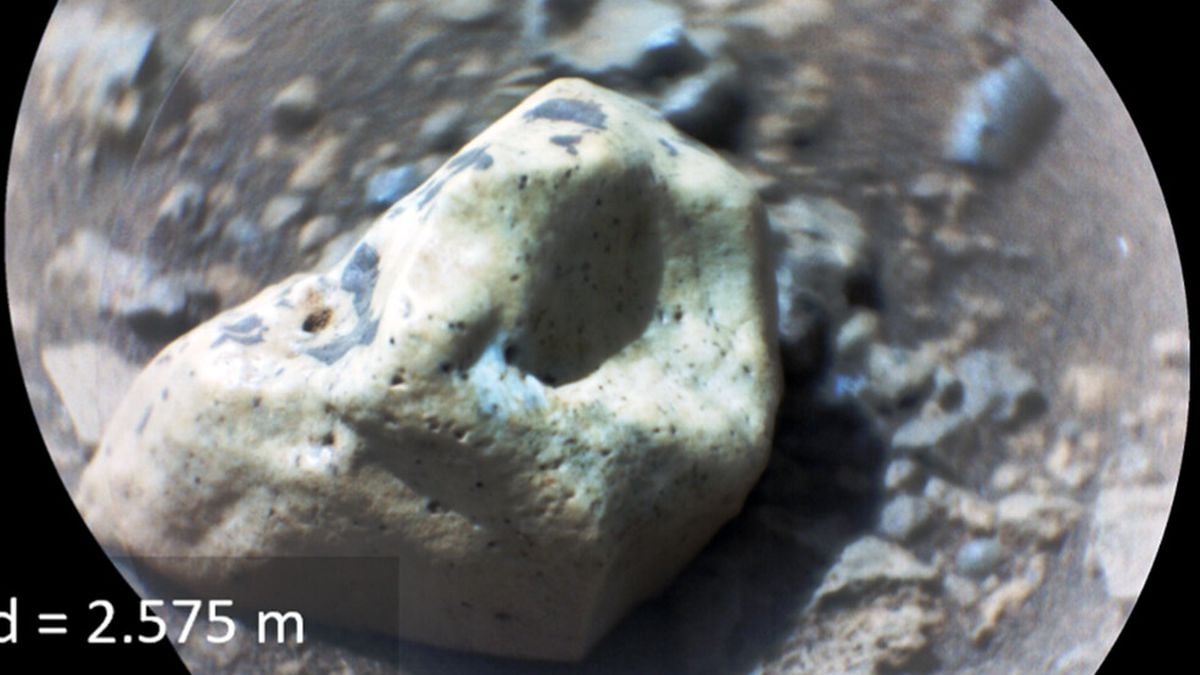
When NASA’s Perseverance rover used its laser to tease apart some pale rocks lying around in Jezero Crater in 2025, scientists did not expect anything out of the ordinary.
Little did they know what was in store.
The rocks contained something never before found on Mars – a mineral that, here on Earth, can constitute literal treasure.
The mineral was corundum, the crystalline material that forms rubies and sapphires. And there was even a whiff of chromium, which gives rubies their distinctive reddish-pinkish hues.
Read the full story here.
Incredible Footage Shows Dolphins Hunting With Shells Off The East Coast of Australia – And Possibly Passing The Skill on
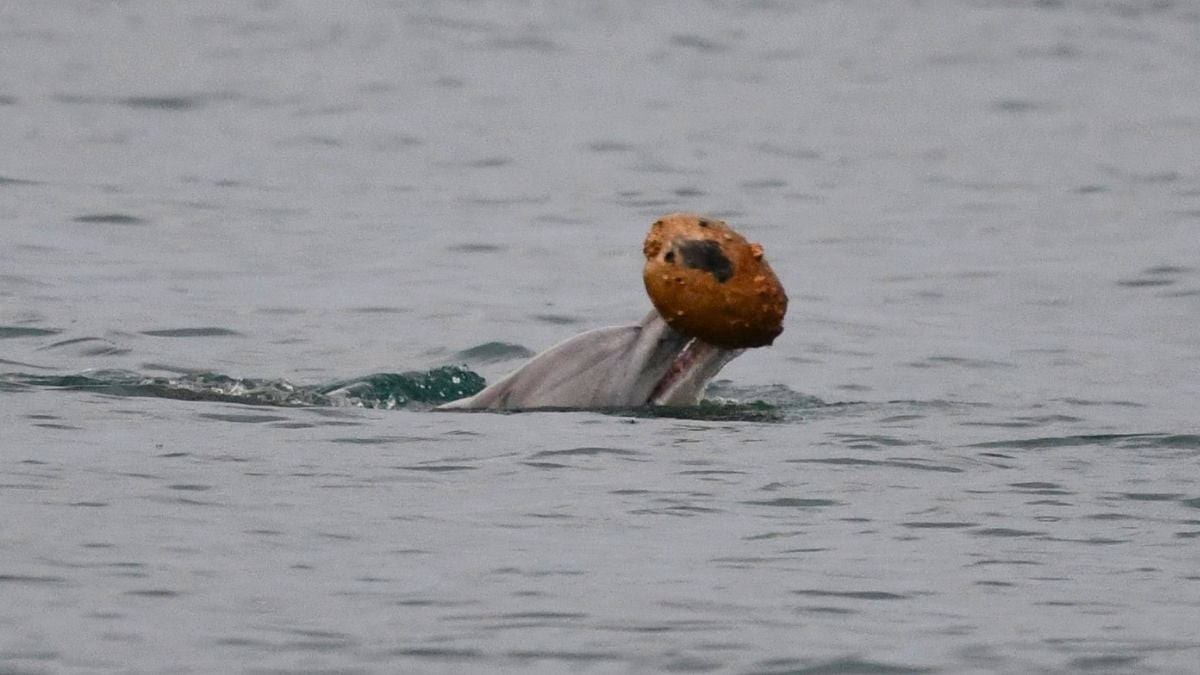
Dolphins off the coast of Queensland, Australia, have been captured on film using a rarely-sighted technique known as ‘shelling’ to hunt their prey.
Indo-Pacific bottlenose dolphins (Tursiops aduncus), also known as ‘buthu’ in the Indigenous Butchulla language, are intelligent animals known for their tool use.
But very few people have ever seen the dolphins’ shelling in action, let alone caught it on camera.

The new videos, captured at Hervey Bay, were presented by researchers from the University of the Sunshine Coast in a study published in Marine Mammal Biology.
“The second I saw that shell in the air, I immediately knew what was happening,” behavioral ecologist Alexis Levengood told ScienceAlert.
Read the full story here.
The World’s Vegetables Are Vanishing, And It’s Quietly Wrecking Our Diets
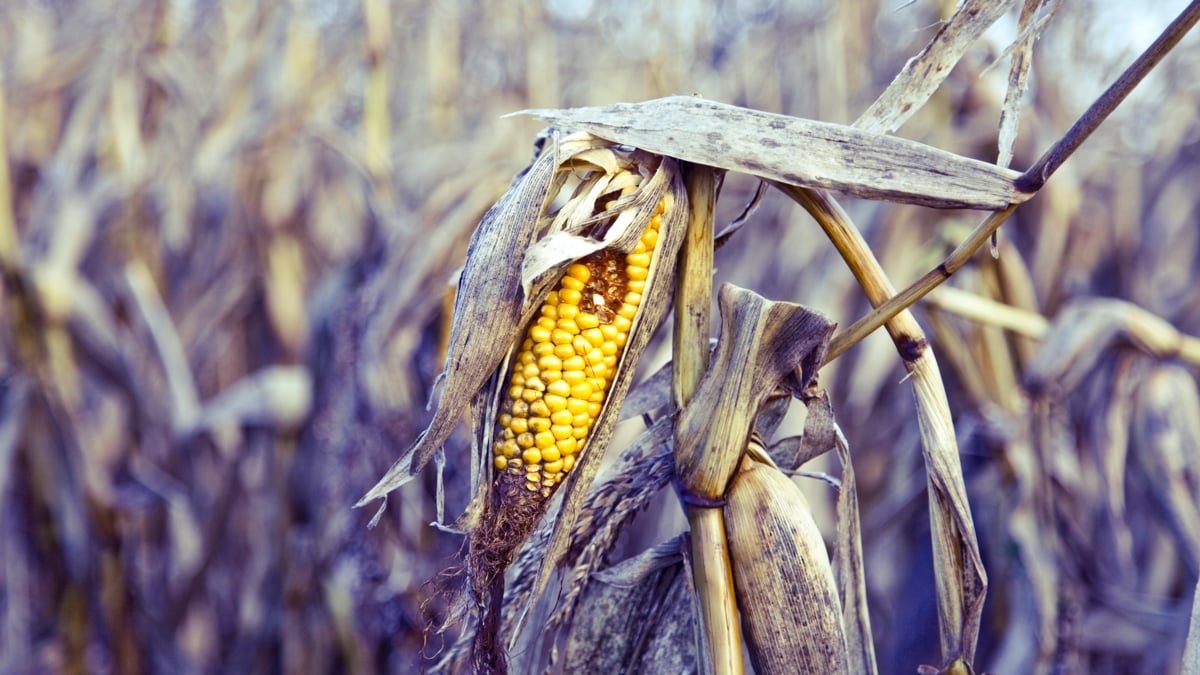
Most of us aren’t eating anywhere near enough vegetables, and we’re suffering the health consequences.
Meanwhile, we’re also growing fewer and fewer varieties of vegetables, adding to the declining diversity in our diets.
A new report published in Proceedings of the National Academy of Sciences by an international team of nutrition, agriculture, and botany experts suggests embracing vegetable biodiversity could be key to improving our own health, and that of our planet.
Agriculture scientist Maarten van Zonneveld, who led the research while working at the World Vegetable Center, says our existing approaches to agriculture are not enough to solve the world’s nutrition problems.
“The solution isn’t simply to grow more vegetables – it’s also to grow more kinds of vegetables,” he says.
Read the full story here.
First-of-Its-Kind Trial Against Food Allergies Yields ‘Exciting’ Results
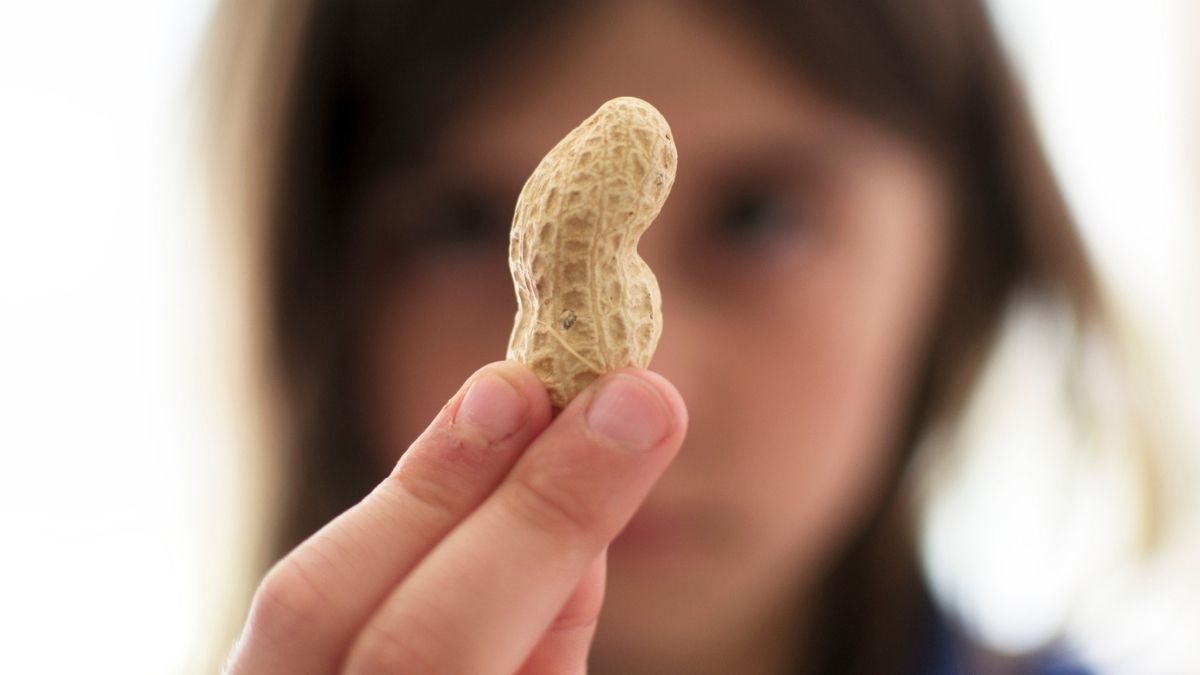
Researchers have come a long way in developing treatments for food allergies, with oral immunotherapies and skin patches both helping desensitize kids to peanuts, protecting them if they were to ingest small amounts.
Another potential way to retrain the immune system is through the gut, which houses a vast collection of bacteria and other microbes that can either help or hinder health.
In a new trial, scientists gave 15 adults with peanut allergies capsules containing fecal microbiota – essentially, carefully processed communities of gut bacteria extracted from healthy donors’ poop.
This technique, called fecal microbiota or fecal matter transplant (FMT), is a promising therapy that aims to ‘reset’ the gut microbiome.
In human trials, it has helped alleviate depression, inflammatory bowel disease, type 2 diabetes, and more (though it doesn’t work for everyone).
Research also shows that treating mice with a cultured selection of gut bacteria suppresses their food allergies.
Now we have some human data suggesting that poop transplants may help in a similar way.
Read the full story here.
Pinot Noir Might Be Doomed as Droughts Become More Frequent

As Western Europe nears the end of its hottest summer on record, growers across the world’s most famous wine regions are starting their harvests early – provided their grapes weren’t already burnt in the heat of fires and drought.
All evidence suggests wine regions in Europe and across the world are going to continue to be hit with hotter, drier weather.
A recent study by viticulture experts from institutes across France, Germany, and Argentina assessed how well two of the most popular wine grape cultivars – Pinot noir and Chardonnay – might fare as drought becomes more prevalent as climate change progresses in the coming years.
Read the full story here.
 frameborder=”0″ allow=”accelerometer; autoplay; clipboard-write; encrypted-media; gyroscope; picture-in-picture; web-share” referrerpolicy=”strict-origin-when-cross-origin” allowfullscreen>












Leave a Reply