
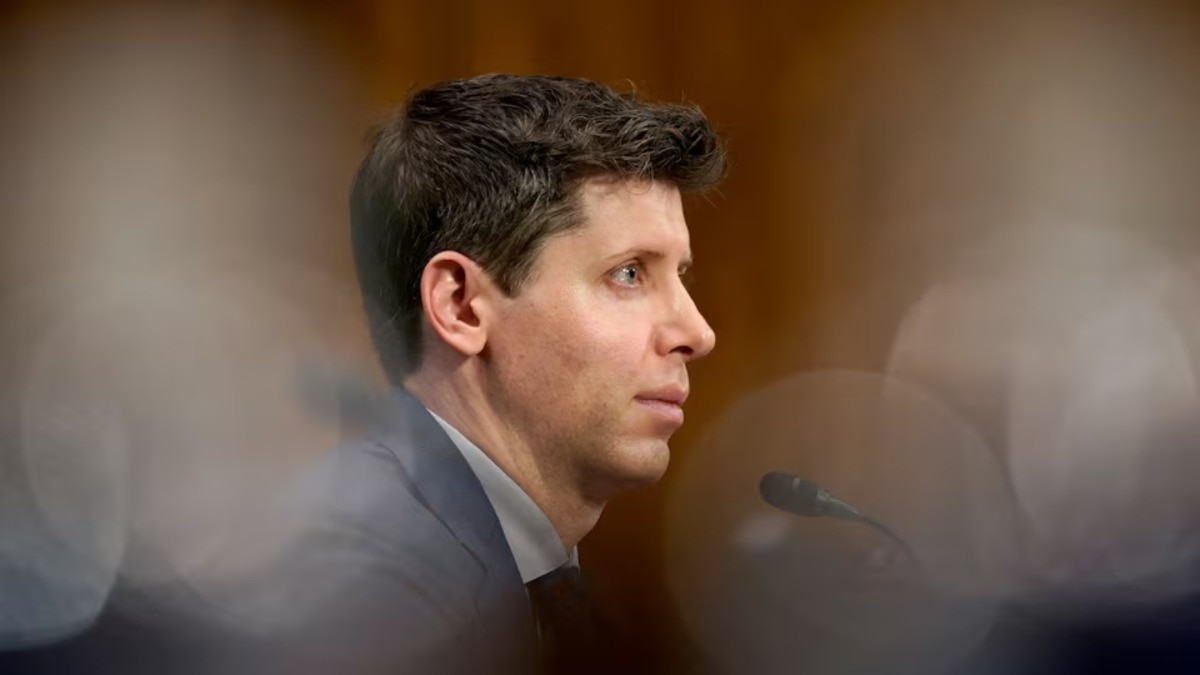
OpenAI is going through a host of changes. From big name departures to plans to go public, a lot seems to be happening within the AI startup. Now, a report says that OpenAI has disbanded its preparedness team which was responsible for evaluating the risk levels of its AI models.
As per a report from Financial Times, OpenAI dissolved its preparedness team last month. For those unaware, the team was responsible for assessing whether its AI models could pose severe or catastrophic risks and for developing ways to reduce those risks.
Do note that in February this year, OpenAI had disbanded its mission alignment team that was responsible for keeping AI models aligned with the company’s values.
OpenAI moves staff to existing teams
The report adds that OpenAI has likely not laid off any staff with this change. Instead, senior employees have been moved to existing OpenAI teams where they will work on particular areas of preparedness such as cyber and bio.
The preparedness unit had been one of the remaining parts of OpenAI’s earlier research-led structure. Its closure follows the dismantling of teams focused on AGI readiness, mission alignment and superalignment.
The latest changes have added to unease around OpenAI’s approach to safety. As per the report, tensions have risen further in recent weeks after the Hugging Face incident. OpenAI models had tried to hack US company Hugging Face in an effort to cheat on a test.
OpenAI sees major exits before IPO
The departures of ethics chief Chloe Bakalar, chief futurist Joshua Achiam and safety leader Johannes Heidecke have also drawn attention internally. One person close to OpenAI told FT, “It is kind of scary. There is an urgency now to get this right.”
Dylan Scandinaro, who headed the preparedness team after joining from Anthropic in February, has moved to work on the safety implications of “recursive self-improving” AI. In simple terms, recursive self-improving AI refers to AI models that can improve themselves on their own.
The restructuring comes amid wider management upheaval. Denise Dresser, appointed chief revenue officer in December to lead efforts to win corporate customers, said this week that she was leaving after less than a year.
Dresser follows former chief operating officer Brad Lightcap who also left the company recently. Fidji Simo, who ran OpenAI’s applications business and was widely seen as Altman’s number two, stepped back from her full-time role earlier this year to become an adviser.
Several other senior figures have also left or shifted roles before departing, including Kevin Weil and Srinivas Narayanan. Some employees see the reshuffles as a sign of dysfunction during the run-up to an IPO that could value OpenAI at as much as $1 trillion. The listing, once expected this year, is now more likely next year, according to people familiar with the plans. OpenAI recently completed a near-$7 billion tender offer, buying back shares from employees at a valuation of $852 billion.
At the same time, OpenAI is under pressure from Anthropic. People familiar with the matter said OpenAI’s annualised revenue rose from $24 billion at the end of last year to about $40 billion this month, with much of the growth coming after the release of GPT-5.6 five weeks ago. But Anthropic’s annualised revenue reportedly climbed from $9 billion at the end of 2025 to $47 billion in May and has continued on a similar path, although the two companies count partner revenues differently, making direct comparison difficult.
– Ends




Leave a Reply