
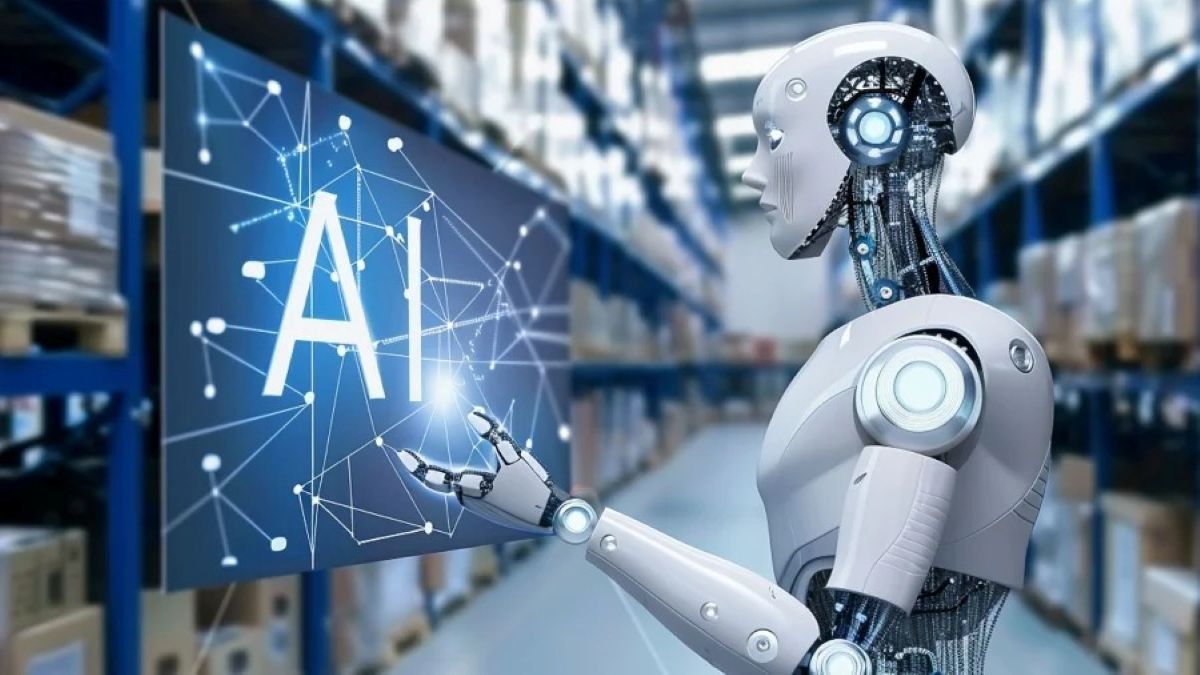
Humanity’s greatest leaps have begun with tools that allowed people to do more. The plough increased the farmer’s strength. The steam engine multiplied human strength. Electricity redefined life. The computer changed how humanity handled information. Now artificial intelligence and robotics are opening another chapter. AI can learn from information, recognise patterns and help generate ideas, while robots can see, move and perform tasks in the physical world. Together, they may expand human capability.
This emerging field is being explored worldwide. MIT, Stanford, Carnegie Mellon, Berkeley and the University of Toronto are working on AI, robotics and machines that can learn and act. Oxford, Cambridge, ETH Zurich, EPFL and Imperial College London are also advancing research. Scientists are developing machines that can understand surroundings, learn and work with people. The goal is to create useful tools for everyday challenges.
Researchers are exploring how AI and robotics can become more useful. At MIT, Professor Daniela Rus studies robotics and AI, including ways to make machines learn and work with people. At Stanford, Professor Chelsea Finn researches how robots learn through experience. At Carnegie Mellon, Professor Howie Choset develops robotic systems for medicine, manufacturing, disaster response and space. At Oxford, Professor Ingmar Posner studies how robots can learn, adapt and assist people. Their work reflects a broader effort to make intelligent machines increasingly useful in everyday life.
This growing field is also reshaping scientific research. AI can examine enormous amounts of information, identify patterns and help scientists explore difficult questions. Robots can assist with repetitive or physically demanding work. Automated laboratories can help scientists conduct experiments with greater speed and precision. Research teams are exploring AI-assisted discovery in medicine, materials and energy. Still, the human role remains central. Technology does not replace curiosity. It gives curiosity new tools to explore, examine and discover.
This is where “an age of amazing abundance” becomes interesting. Abundance does not mean every problem disappears, or every need is automatically met. It means technology could create more useful knowledge, products, services and opportunities. If AI makes certain work easier, more people could benefit. If robots improve particular tasks, production could become more efficient. If machines take on routine work, people could have more space for creativity, curiosity and imagination.
An even broader possibility emerges when AI and robotics come together. AI can help robots understand their surroundings, plan actions and learn. Robots can turn digital intelligence into physical action. Better machines can support production and open new possibilities. Each improvement can become the foundation for another. A positive cycle can emerge: better tools create possibilities, and new possibilities inspire better tools. Over time, this could accelerate discovery and widen access to these technologies.
Institutions are studying this change. The OECD has examined how AI may affect productivity, skills and employment. The International Labour Organisation has studied how generative AI could change different kinds of work and reshape the tasks people perform. The World Economic Forum has examined how technology is changing work and skills. The next chapter is about what people can do with capable machines.
The changing world of work is shaped by both technology and human adaptation. Some tasks may change, some may become automated, and new forms of work may emerge. A researcher may use AI to explore possibilities. An engineer may use intelligent software to develop and test designs. A teacher may use digital tools to support learning. A worker may use a robot to assist with repetitive tasks. The important question is not only what machines can do, but what new possibilities people can create with them.
Education remains an important part of adapting to technological change. As machines become better at finding and processing information, acquiring knowledge can involve more than memorising facts. Knowledge, sound judgement, creativity, communication, teamwork and problem-solving will continue to matter. People may also need to develop new skills as technology advances and new areas of knowledge emerge. A strong educational foundation can help people build the understanding and abilities needed to participate purposefully in an evolving technological landscape.
India is building capabilities in this field. Under the National Mission on Interdisciplinary Cyber-Physical Systems, 25 Technology Innovation Hubs have been established across academic institutions, working in areas including AI, robotics and smart machines. IISc Bengaluru, IIT Hyderabad and IIT Delhi are involved in work related to robotics, navigation and machines that can work with people. India is advancing AI research, skills and innovation. These efforts are creating a foundation for intelligent technologies.
The greatest possibility may not be a smarter robot or a more powerful AI system. It is time, one of the few resources that cannot be manufactured, stored or recovered. By handling routine and physically demanding tasks, these technologies could give people more room for family, creativity, research, art, learning and community.
This is one dimension of abundance: greater access to knowledge, productive capacity, opportunity and time. As intelligent systems advance, they could accelerate discovery, improve precision and help address challenges that once demanded far more human effort. Machines may increasingly do more with less, expanding the possibilities for human activity.
The real measure of progress may not be how closely machines imitate human abilities, but how effectively people can use technology to expand what is possible. If intelligent systems contribute to knowledge, productivity, creativity and greater flexibility in daily life, they could open new possibilities in everyday life.
That is the defining promise of an age of amazing abundance: more knowledge, greater capability, wider opportunity and more room for human possibility.
(The author is a Columnist. Feedback: [email protected])











Leave a Reply