
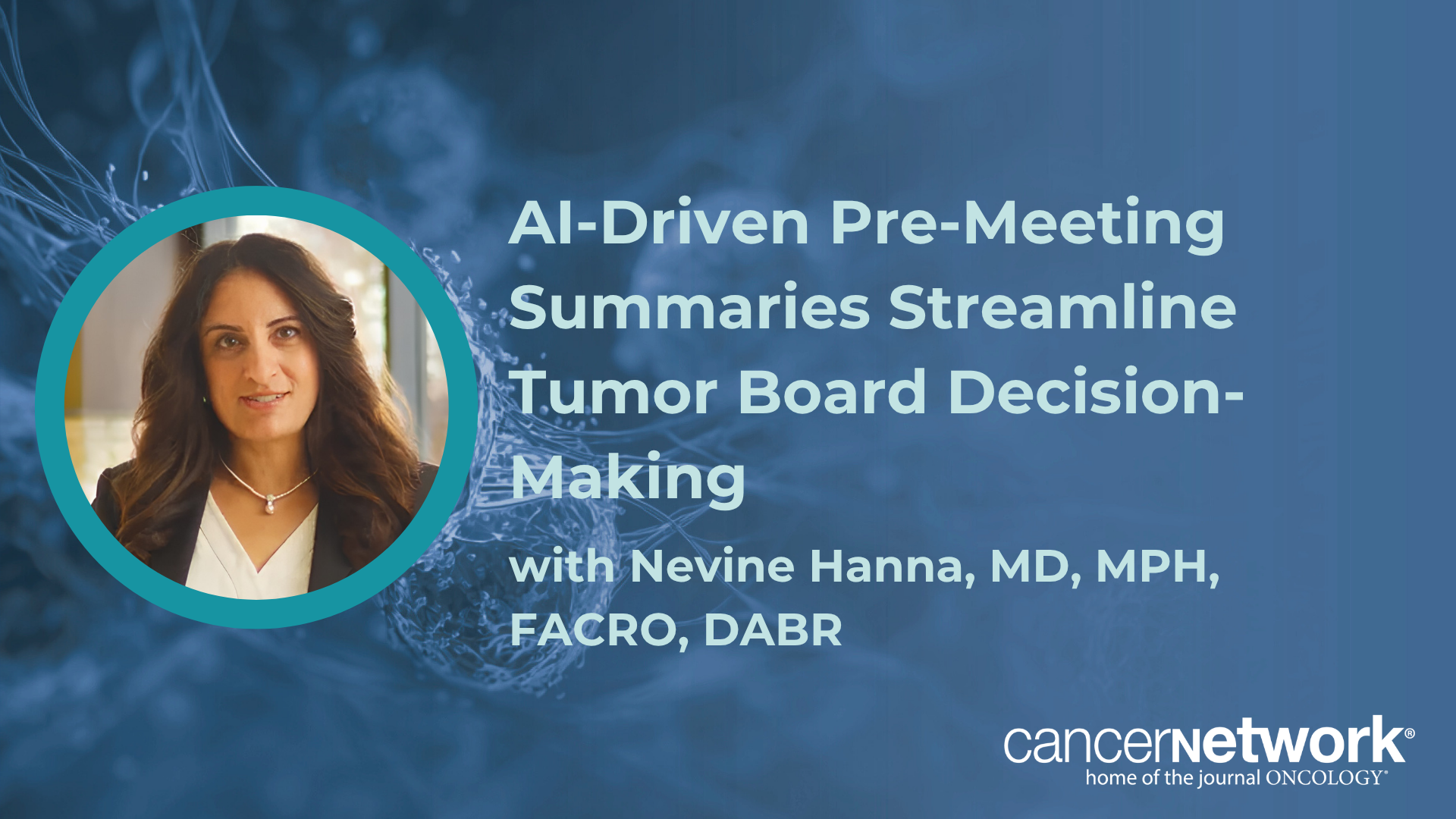
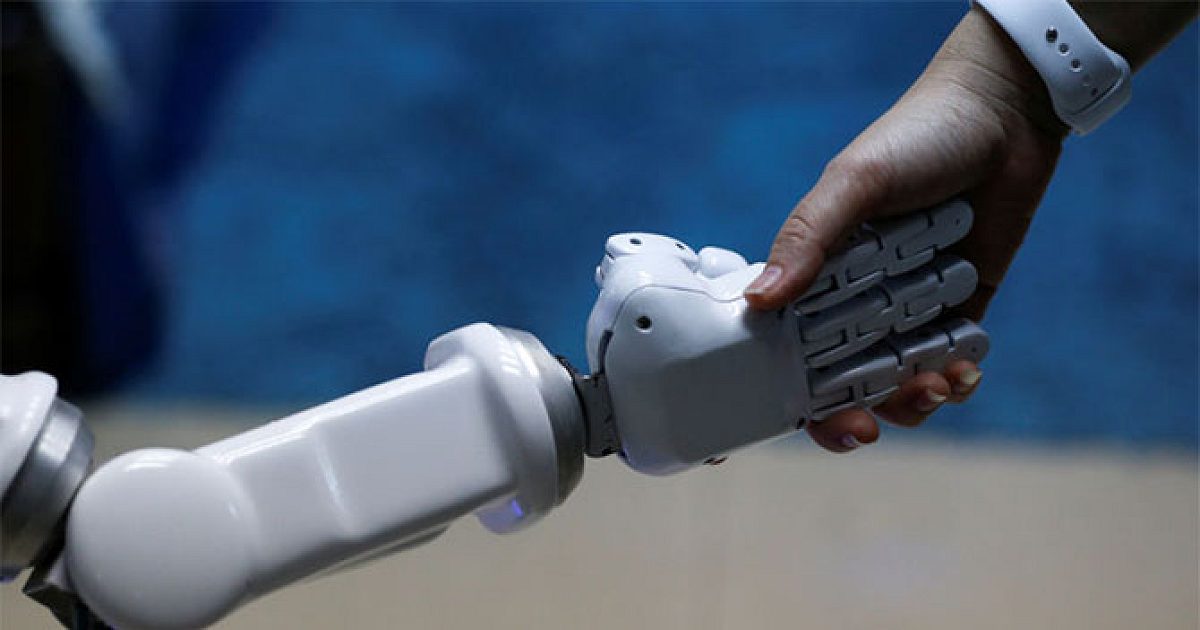
Artificial intelligence (AI) is emerging as a powerful asset for multidisciplinary cancer care, particularly within tumor board workflows. In an interview with CancerNetwork®, Nevine Hanna, MD, MPH, FACRO, DABR, highlighted how AI can aggregate pathology reports, imaging findings, genomic data, and prior treatment histories into concise pre-meeting summaries. By automating the time-consuming process of data collection, these tools allow medical, surgical, and radiation oncologists to shift their focus from gathering information to engaging in high-level clinical discussions.
From a radiation oncology perspective, Hanna noted that AI can assist in identifying candidates for advanced modalities, such as proton or photon radiation, while matching patients to active cooperative group clinical trials. Successful implementation relies on enhancing collaboration across the entire care team—including pathologists, radiologists, dietitians, and palliative specialists—while maintaining strict physician oversight. Ultimately, AI can serve as an effective decision-support tool, ensuring that final treatment strategy remains driven by clinician expertise and patient-centered care.
Hanna is lead radiation oncologist at the Thompson Proton Therapy Center and director of the Radiation Oncology Division.
Transcript:
CancerNetwork: How can AI-driven clinical tools be integrated into tumor board workflows to streamline cross-specialty decision-making across medical, surgical, and radiation oncology?
Hanna: AI can serve as a decision-support tool for tumor boards, and it can be done effectively, but it cannot be the decision maker, per se. In tumor boards, AI can automate and aggregate pathology reports, imaging findings, genomic data, prior treatments, and relevant clinical guidelines, [consolidating] all of that into a summary before the tumor board convenes. This will eventually reduce the time that staff and clinicians spend collecting and gathering information, allowing specialists to focus on the clinical discussion.
From a radiation oncology perspective, AI could also help identify patients who may benefit from regular photon radiation vs proton radiation and [identify] relevant ongoing clinical trials through RTOG [Radiation Therapy Oncology Group] or other cooperative oncology groups focused on treatment modalities and their combination.
The most effective implementation is one that enhances multidisciplinary collaboration, allowing good discussion among medical oncologists, surgical oncologists, radiation oncologists, pathologists, radiologists, and support staff, including dietitians, social workers, and palliative care teams, while maintaining physician oversight so that all final decisions are made with the clinician and the patient in mind.






Leave a Reply