
What can more than 100,000 medical scans reveal about the fat that burns energy, and why are researchers examining an everyday blood pressure medication?
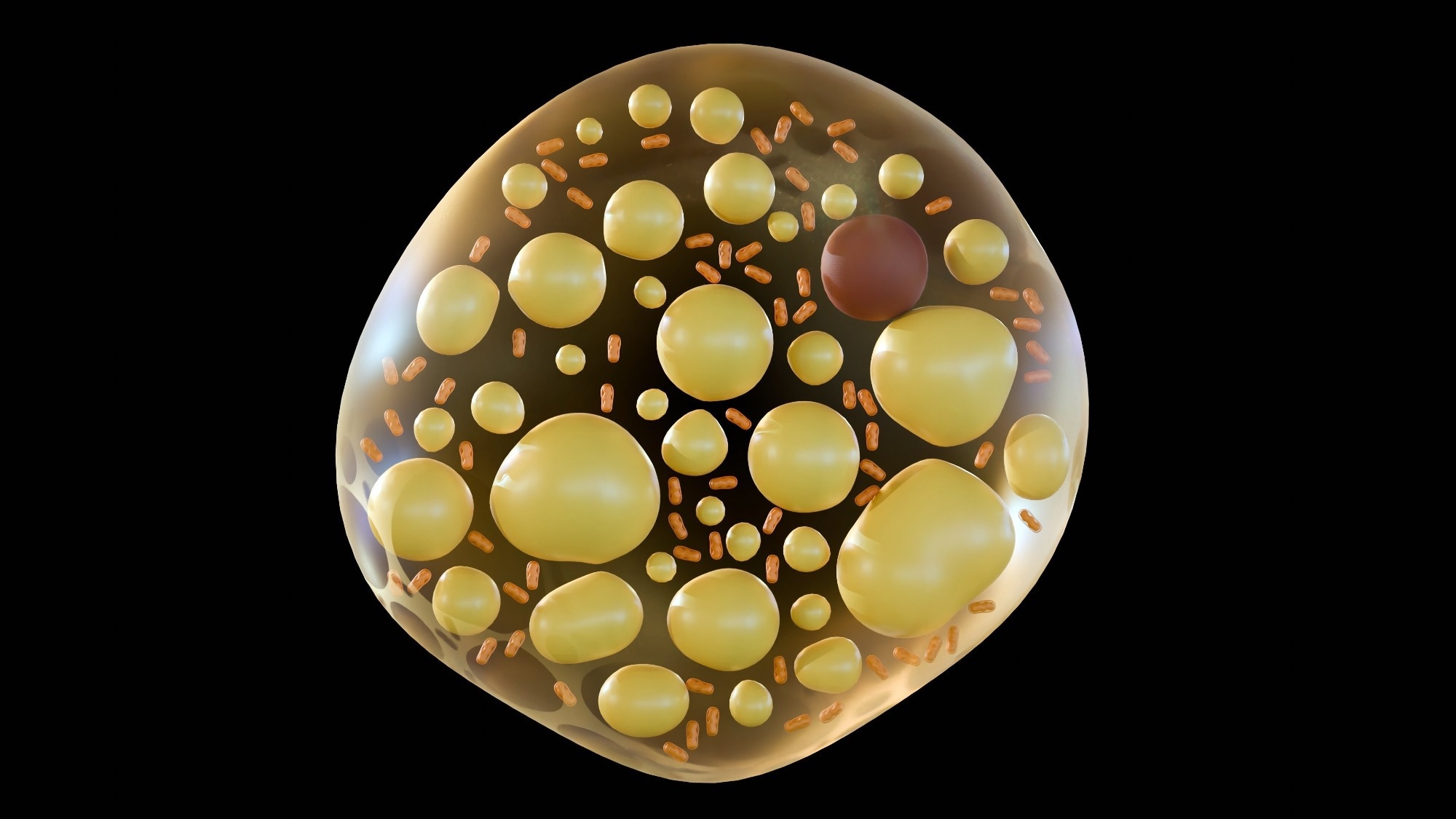
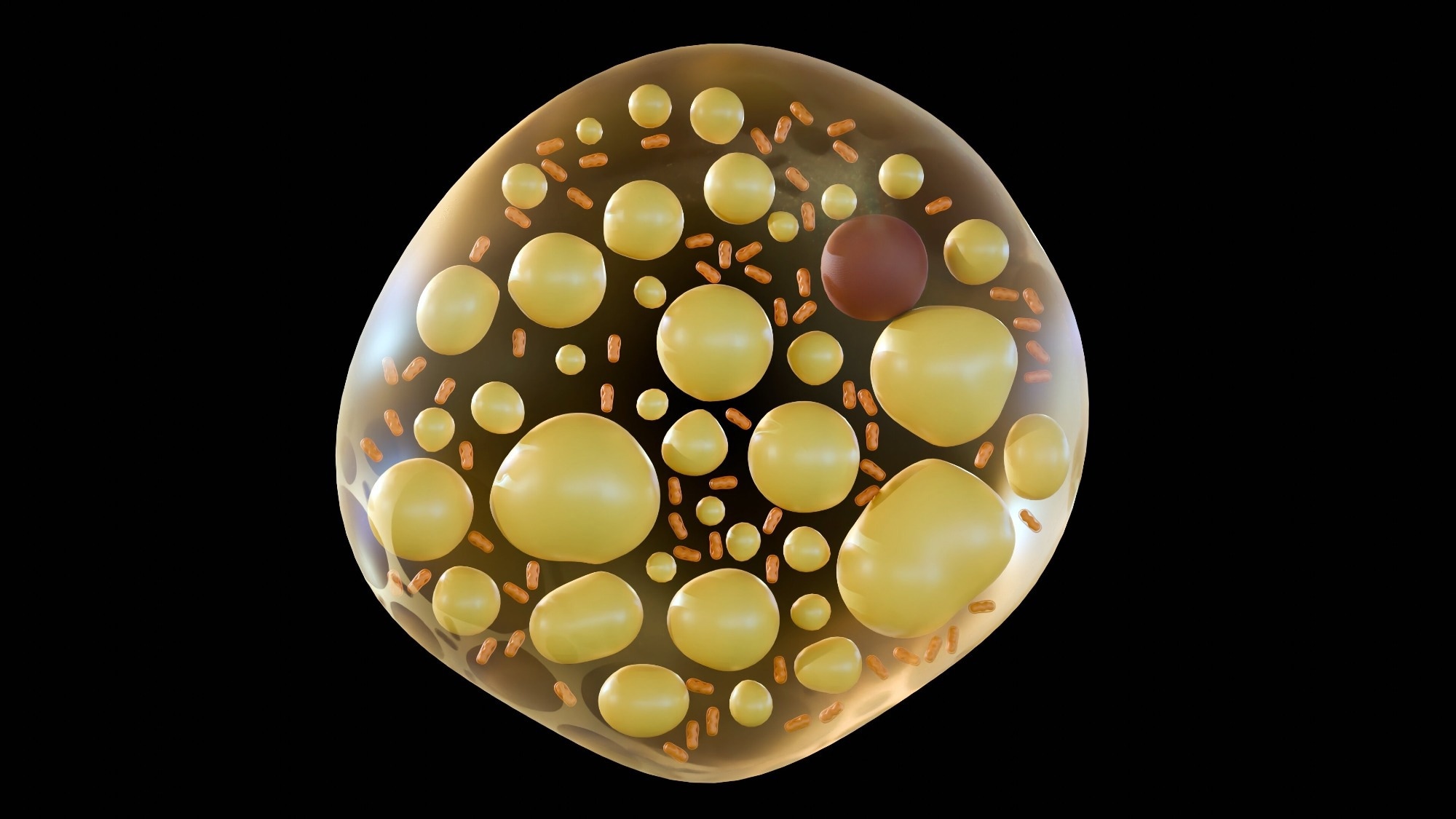
Study: Artificial intelligence-enabled clinical phenotyping of human brown fat. Image Credit: Love Employee / Shutterstock
In a recent study published in the journal Nature, researchers used artificial intelligence (AI) and large clinical datasets to systematically map the clinical phenotypes associated with human brown adipose tissue (BAT).
The researchers analyzed 18F-fluorodeoxyglucose positron emission tomography-computed tomography (18F-FDG-PET-CT) scans from 101,243 adult patients to examine associations between brown fat and health outcomes.
Detectable BAT was associated with a lower prevalence of cardiometabolic and psychiatric conditions, while higher measured activity in individual BAT depots was linked to more favorable cardiometabolic outcomes.
The study’s pharmacological profiling identified the common antihypertensive drug losartan as a candidate for further investigation. Experiments in cultured fat cells and mice showed increased thermogenic activity and energy expenditure, but the drug’s effects on human BAT have not been tested in clinical trials.
Background
Decades of research have established that mammalian adipose tissue plays a physiologically important role in maintaining systemic energy balance. In humans, adipose tissue primarily consists of white adipose tissue (WAT), which stores calories as triglycerides.
Compared with white fat, brown adipose tissue is present in far smaller quantities and dissipates energy as heat through non-shivering thermogenesis. Once thought to occur mainly in infants, functional brown fat has since been identified in adults through imaging studies.
The broader systemic associations of brown fat across non-metabolic conditions have remained poorly understood.
Earlier studies of BAT mainly relied on manual BAT quantification from whole-body scans, which is labor-intensive. Clinical attempts to stimulate BAT through cold exposure or beta-adrenergic agonists involved small participant groups, and some drug interventions caused cardiovascular side effects.
About the study
The analysis aimed to address these limitations and inform future metabolic drug development by examining how brown fat relates to health across different organ systems. The analytical cohort included data from 101,243 adult patients who underwent clinical 18F-FDG-PET-CT scans between June 2009 and July 2024.
To account for factors associated with BAT detection, the researchers used propensity score matching to compare BAT-positive individuals with BAT-negative controls of similar age, sex, body mass index (BMI), and outdoor ambient temperature.
An AI image-analysis system enabled researchers to semi-automatically quantify BAT metabolic activity in 8,709 BAT-positive patients through a combined measure of glucose tracer uptake and tissue volume. Metabolic activity was analyzed across six distinct anatomical depots: supraclavicular, cervical, axillary, mediastinal, paraspinal, and abdominal.
Clinical and pharmacological analyses included screening hundreds of International Classification of Diseases (ICD) codes, evaluating echocardiographic parameters, and analyzing outpatient medications to identify candidate drugs. Losartan was then selected for experimental testing through in vitro assays and in vivo mouse calorimetry.
Study findings
Initial screening revealed that most of the significantly associated disease codes were less prevalent among BAT-positive individuals than among controls, including 58% lower odds of type 2 diabetes and 47% lower odds of chronic ischaemic heart disease, alongside lower odds of primary hypertension.
BAT-positive individuals had significantly lower glucose, glycated hemoglobin (HbA1c), triglycerides, and cholesterol outside the HDL and LDL fractions than BAT-negative controls, along with higher HDL cholesterol and higher total and LDL cholesterol. Echocardiography also showed lower measurements associated with pathological left ventricular remodeling.
The presence of BAT was associated with lower odds of depressive episodes and anxiety disorders. Depot-specific measurements showed that axillary BAT was particularly strongly associated with favorable cardiometabolic outcomes and a healthier distribution of white fat, including less visceral fat. The relationships between activity and disease prevalence varied across depots and diagnoses.
Other analyses linked BAT presence to lower inflammatory markers and liver enzyme levels, but also to lower vertebral bone-density scores. The clinical significance of the bone-density finding remains uncertain.
Finally, the study’s medication analyses found that angiotensin receptor blockers (ARBs) were positively associated with BAT status. In proof-of-concept testing, losartan induced uncoupling protein 1 (UCP1), the primary mitochondrial protein that drives thermogenesis, and increased oxygen consumption in brown adipocytes. Mouse experiments using indirect calorimetry showed that losartan increased energy expenditure at room temperature and during cold exposure, without producing measurable weight loss. Other mouse experiments showed greater BAT heat production after beta-3 agonist stimulation under thermoneutral conditions. Separate cellular assays indicated that losartan activated PPARγ signaling independently of the classical angiotensin II type 1 receptor (AT1R).
Conclusions
The research is among the first to map associations between human brown adipose tissue and health outcomes across several organ systems, including psychiatric conditions. The analyses also identified differences in metabolic associations between BAT depots, but could not establish that brown fat prevents disease.
The study had several limitations, including its retrospective design and cancer center-restricted population. The scans were obtained without prior cold stimulation, and glucose uptake was used as an indirect measure rather than a direct test of thermogenesis. The laboratory and mouse findings suggest that losartan warrants investigation as a BAT-activating treatment, but its effectiveness for this purpose in humans remains unknown.
Source:
Journal reference:














Leave a Reply