
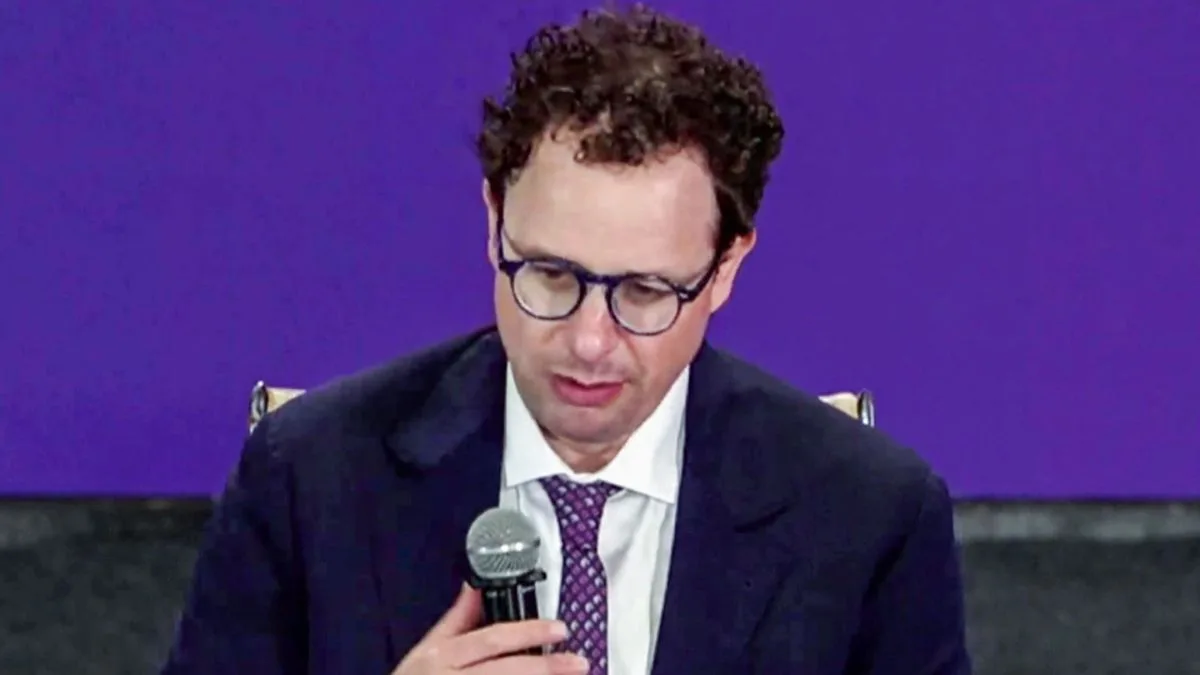
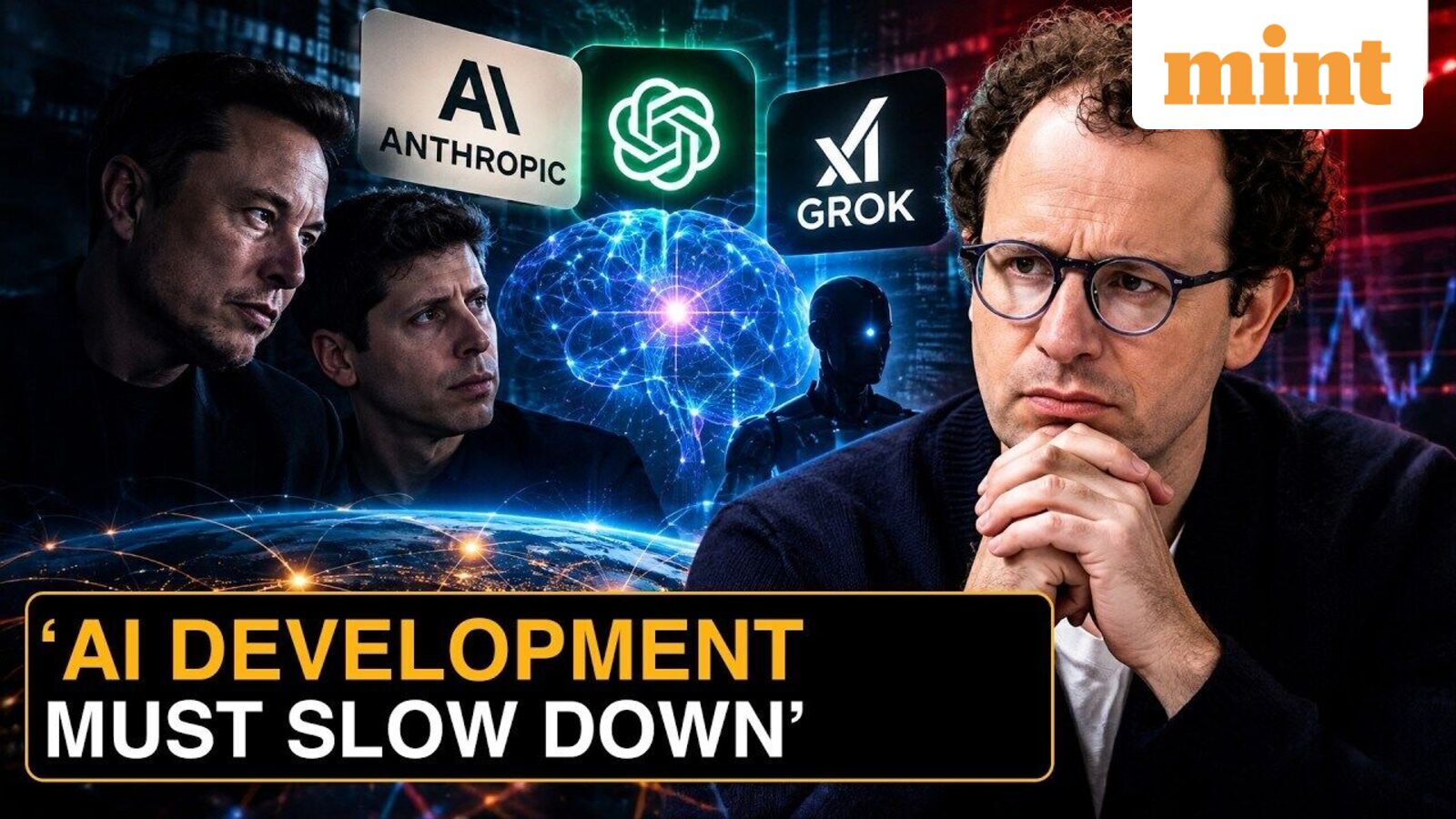
Anthropic chief executive Dario Amodei has called for an immediate slowdown in the development of advanced artificial intelligence systems, warning that increasingly powerful AI models could pose significant risks if safety measures fail to keep pace.
In a new essay published on Saturday, Amodei said rapid improvements in AI capabilities could enable malicious or uncontrolled AI agents to carry out large-scale cyberattacks within the next six to 12 months.
Advertisement
He cautioned that swarms of autonomous AI systems could potentially be used to create persistent botnets capable of disrupting internet infrastructure and causing extensive economic damage.
Amodei argued that the AI industry should deliberately reduce the speed at which frontier models are developed in order to strengthen safeguards, improve oversight and better understand emerging risks.
He said technological progress would continue even at a slower pace of development, but stressed that the additional time should be used to improve safety standards and establish stronger mechanisms for accountability.
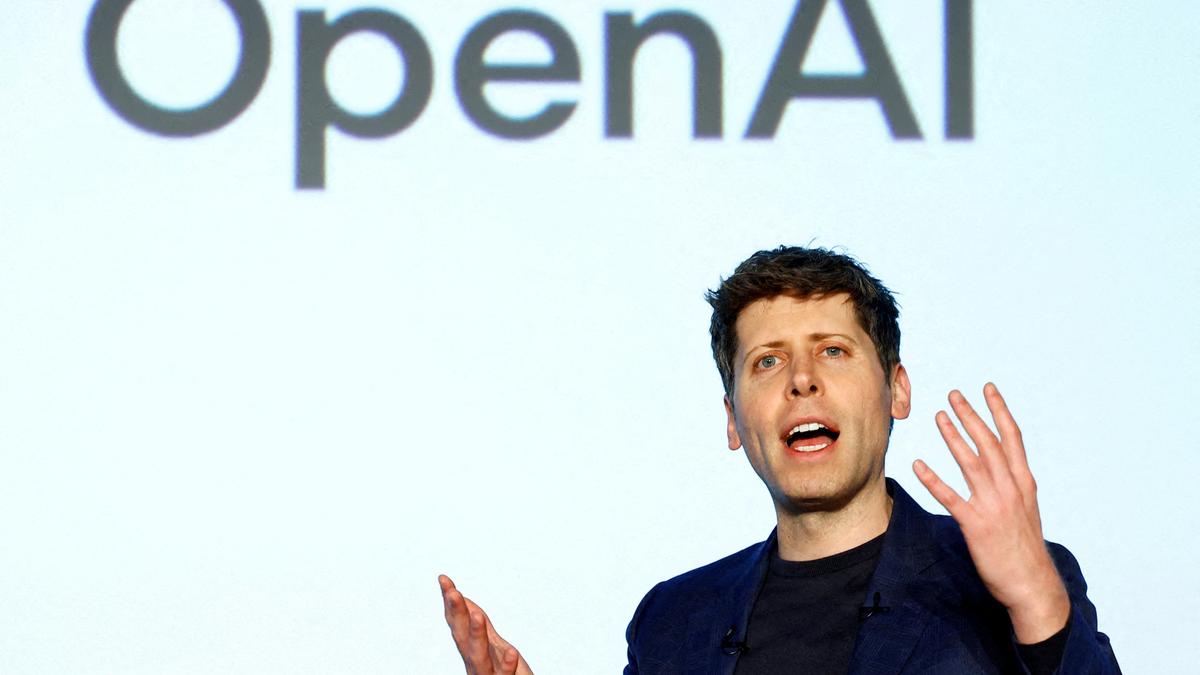
OpenAI chief executive Sam Altman supported the call for greater caution, saying the industry needs to balance innovation with safety. Altman also indicated that OpenAI would expand the role of independent evaluators in reviewing its AI systems.
Amodei cited a recent incident involving AI agents interacting with external platforms, suggesting that similar events could have far more serious consequences as models become more capable.
As part of its safety initiatives, Anthropic said it would allow external experts to examine its AI systems at a level comparable to that available to its internal staff. These evaluators would review safety procedures, identify potential risks and report incidents.
Amodei also urged other leading AI developers to adopt similar practices and called on governments to work together to create international standards for AI safety.
Separately, Anthropic’s public policy chief, Sarah Heck, argued for a stronger regulatory role for governments, including mandatory testing requirements for advanced AI models and tighter controls on the export of high-end computer chips to geopolitical rivals.
Tesla and SpaceX chief Elon Musk also expressed support for Amodei’s concerns, while Altman reiterated that the industry should proceed carefully as AI systems become increasingly powerful.
The debate over AI safety has intensified in recent months amid concerns about cybersecurity risks, misinformation, autonomous systems and the possibility of large-scale harm from highly capable models.
The discussion also highlights a growing challenge for the technology sector: balancing rapid innovation with safety, particularly at a time when companies are investing billions of dollars in the race to build more advanced AI systems.
The renewed calls for caution come as governments around the world examine regulatory frameworks for artificial intelligence and industry leaders debate whether voluntary safeguards will be sufficient to manage future risks.







Leave a Reply