
Markets continue to be dominated by sharp increases in developed market yields, concerns around oil price increases with a resumption of the Middle East conflict, coupled with fears around a substantial slowdown in AI spending as top US AI CEOs called for regulation and slowing in the pace of frontier model development. In particular, US 10-year yields rose to 5% before some dip-buying emerged at those key levels. The sell-off in DM bonds was notably more concentrated in the front-end including a 6bps rise in Euro Area 2-year yields to 3.26% and a 3bps increase in US 2-year yields. Some of these developments are linked to ongoing concerns around fiscal sustainability and debt supply, but at least part of this the moves can be attributed to global increases in oil prices. On that front, Brent oil prices remained somewhat steady at US$105/bbl, as questions around whether and how long Saudi Arabia’s East-West pipeline will be disrupted coupled with broader concerns around diesel supply with strikes by Ukraine on Russian energy infrastructure.
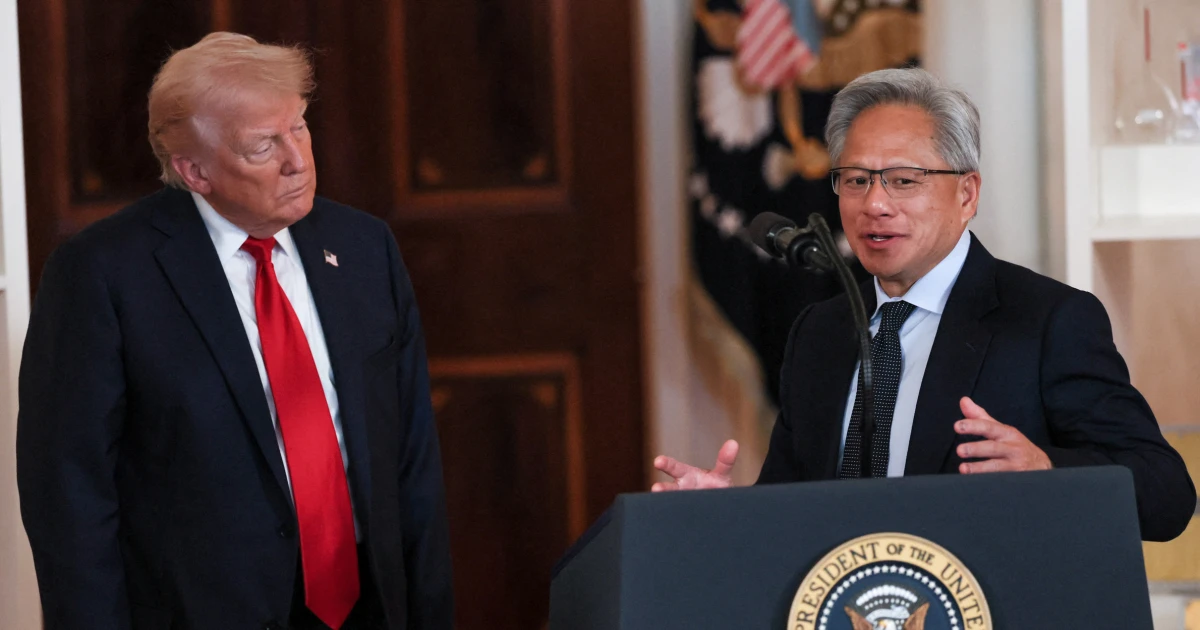
The big debate that markets including here in Asia are watching out and trying to price for is the possibility of a more meaningful slowdown in AI development spending. Following Anthropic CEO Dario Amodei’s call for the industry to slow the pace of frontier model development by: 1) including third-party inspectors, 2) coordination within democracies, and 3) coordination globally, top US AI CEOs including from OpenAI have generally come out in support for the direction, even as there have been a wide range of views including from the current US administration and the US President. All these have also been happening with the increasing frequency cybersecurity incidents involving AI agents such as the OpenAI-Hugging Face incident, while questions around whether developments in recursive self-improvement will result in an explosion in intelligence and also significantly rising risks. The cynics will certainly say that a slowing in frontier model development makes business sense for these top companies anyway given possible product liability, but the broader point still stands.
While China has rejected the AI “fearmongering” in their official statements and understandably so given how Anthropic CEO has continued to classify China as an “authoritarian government” in his approach to AI, we should not simply conclude at face value that China is not concerned about the fast development in frontier AI. Among other things, an article from the head of China’s Ministry of State Security Chen Yixin laid out several key risks from AI, including social and political risks from AI content, cyber security and impact on critical infrastructure, data leakages, and the transformation of warfare from AI. Of course, China’s approach to AI governance will be different and certainly efforts by the US including on global coordination will be viewed with significant suspicion. But all this does not take away the point that the concerns over the risks are real and likely will have to be addressed.
From a markets perspective, we have turned somewhat more cautious on risk sentiment as a result of the confluence of these factors. Nonetheless, our best sense is that these developments on AI regulation – if done right – may result in more sustainable growth rates over the long-term, may shift the demand from training to inference, and also importantly may result in some winners and losers even as the transformative potential of AI starts to diffuse through the economy.










Leave a Reply