Jordan Ragsdale
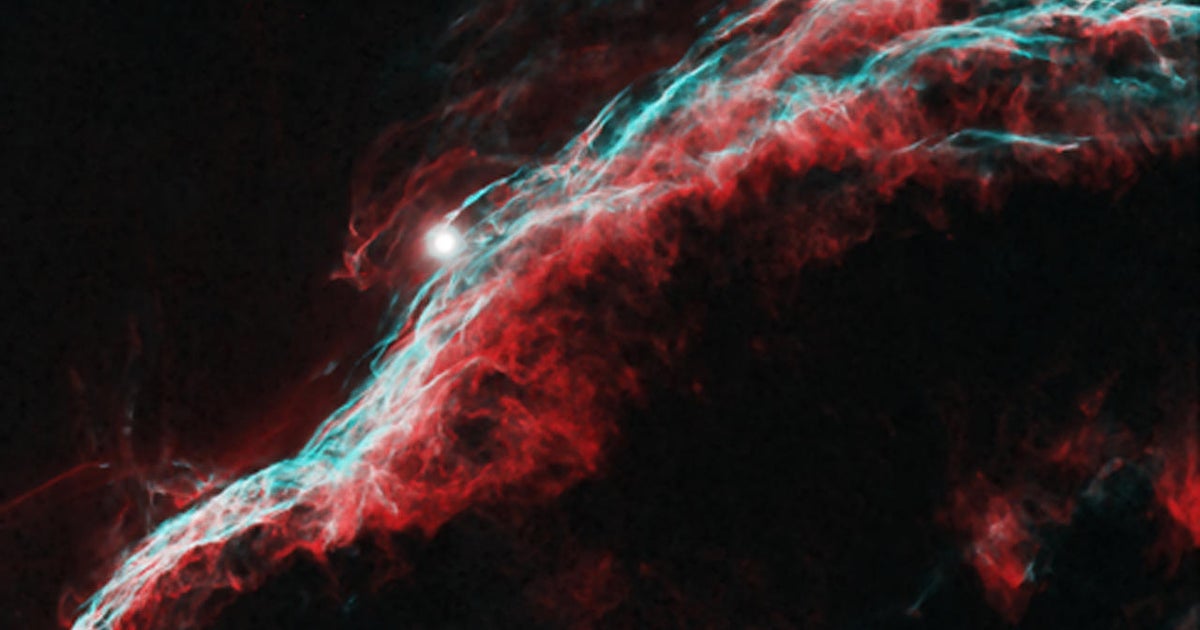
A view of the Veil Nebula in the constellation Cygnus.
The Central Idaho Dark Sky Reserve, draped over nearly one million acres of wilderness areas and the Sawtooth National Forest, provides stargazers a rare opportunity to enjoy the night sky with a minimum of light pollution, which can otherwise veil the views of the heavens in many parts of the country. As such, this part of Idaho (as well as nearby Craters of the Moon National Monument & Preserve, which has been designated an International Dark Sky Park) is a major draw for amateur astrophotographers. And thanks to improvements in technology, some of the imagery here, including many photographs taken by members of the Idaho Astro Facebook Group, can give NASA’s Hubble telescope a run for the money.
Messier 81
Robert Van Vugt 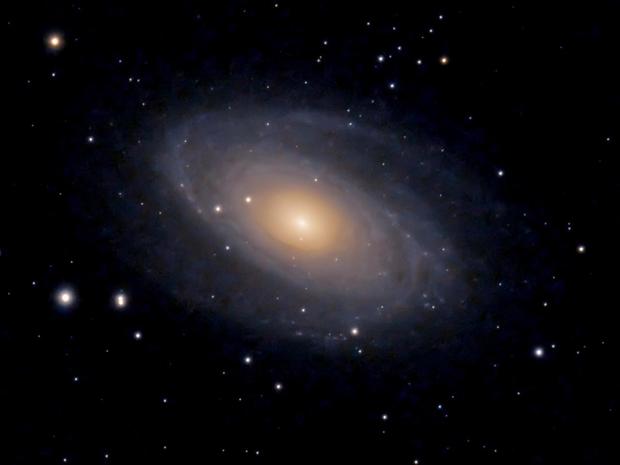
The spiral galaxy Messier 81, also known as Bode’s Galaxy, a mere 12 million light-years away, in the constellation Ursa Major.
Pelican Nebula
Robert Van Vugt 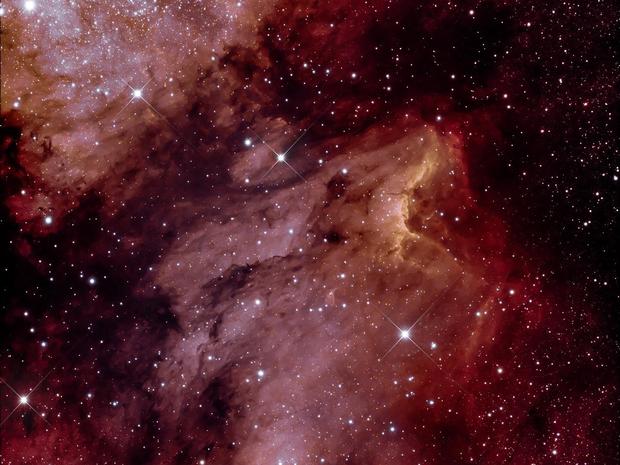
The Pelican Nebula (IC 5070 and IC 5067) in the constellation Cygnus.
Moon
Robert Van Vugt 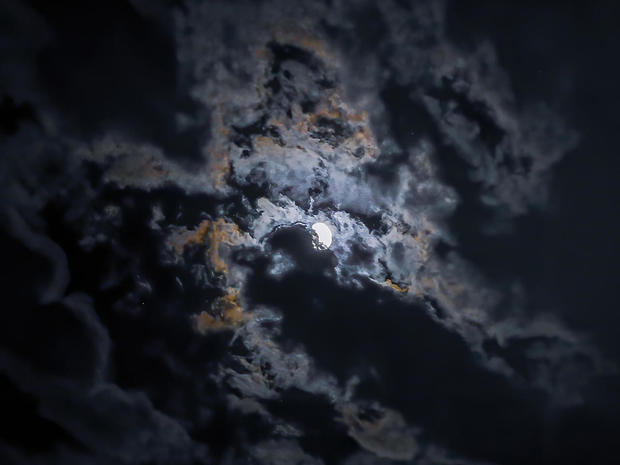
A view of the Moon, taken by Robert Van Vugt in Meridian, Idaho, in a single exposure using a Nikon S7000.
Cocoon Nebula
Robert Van Vugt 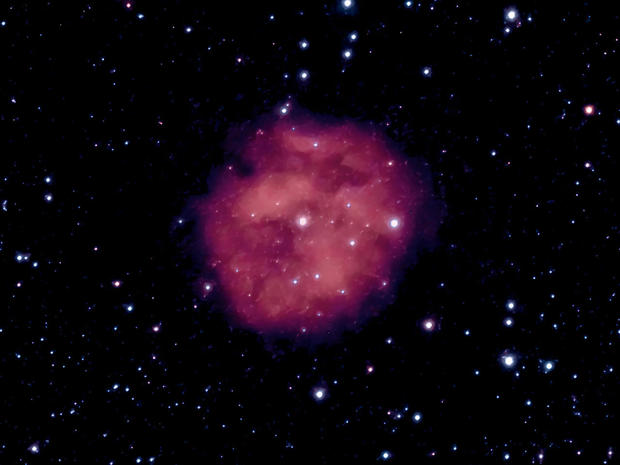
The Cocoon Nebula (IC 5146) in the constellation Cygnus.
Comet Neowise
Robert Van Vugt 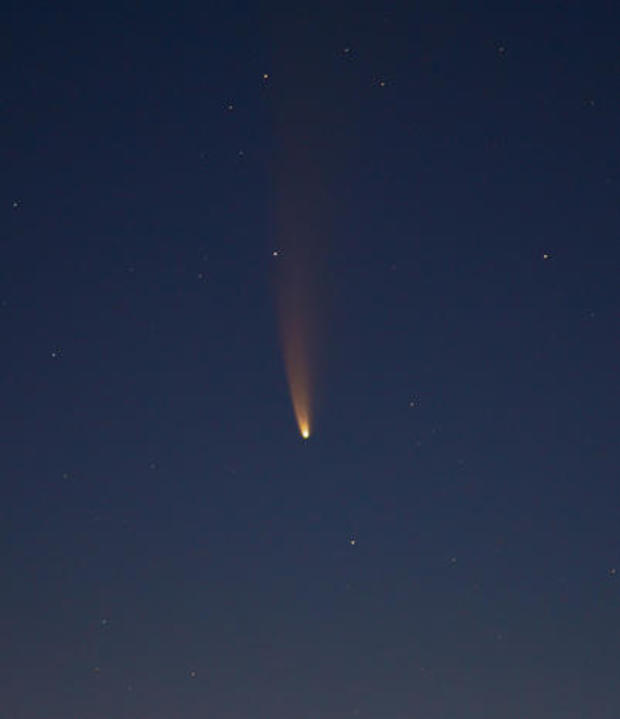
Comet Neowise, photographed in July by Robert Van Vugt.
Eagle Nebula
Robert Van Vugt 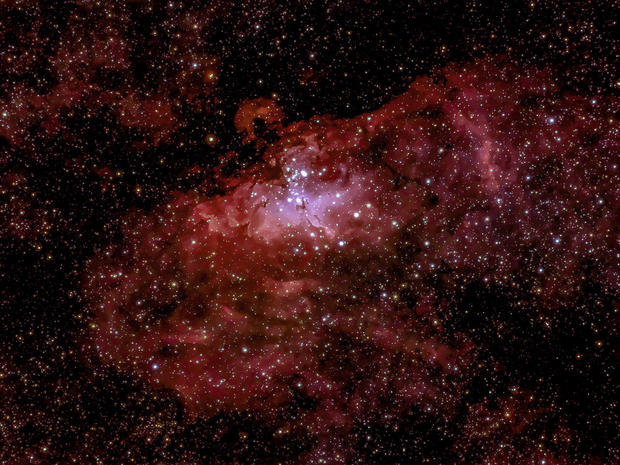
The Eagle Nebula (Messier 16) in the constellation Serpens.
Perseids
David Stephen 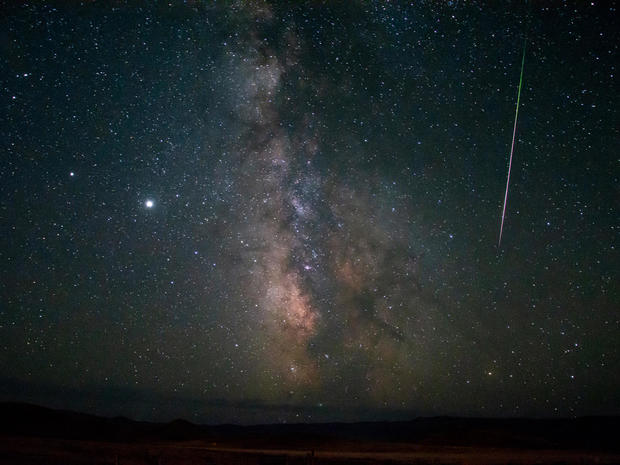
A view of the Perseids meteor shower.
Elephant’s Trunk Nebula
Joe Llenos 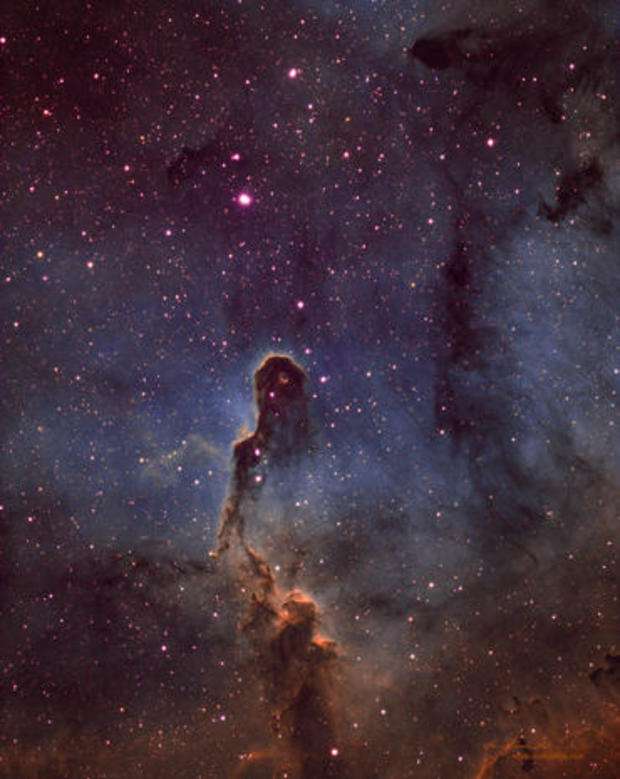
Joe Llenos took this image of the Elephant’s Trunk Nebula, found in the constellation Cepheus, from his backyard in Meridian, Idaho.
Star clusters
Jeremiah Sorrells 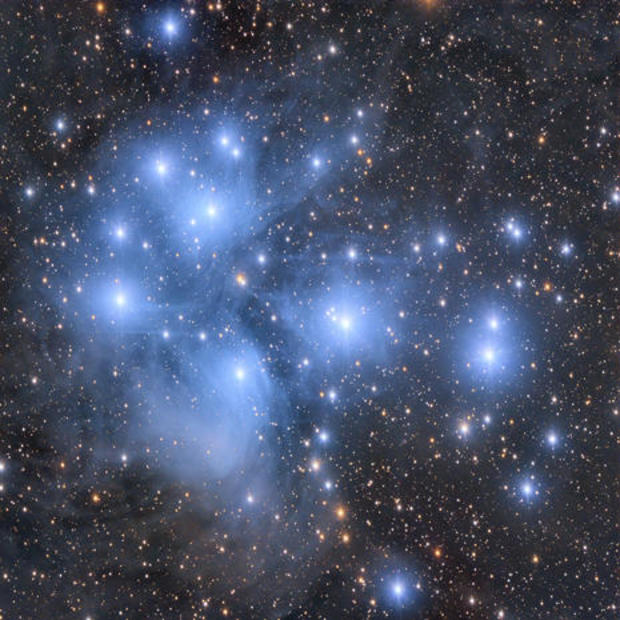
Image by Jeremiah Sorrells (jsorrellsphoto.com).
Star Trails
Jeremiah Sorrells 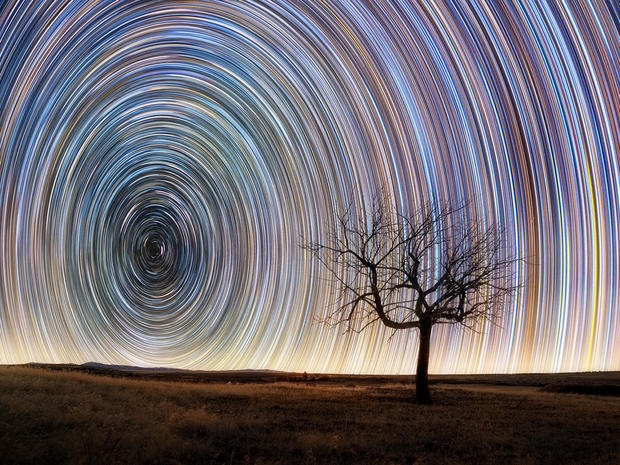
A compilation of 373 images, each a 30-second exposure, shows the rotation of the Earth, with the North Star marking the center of the celestial swirl.
Orion Nebula
Jeremiah Sorrells 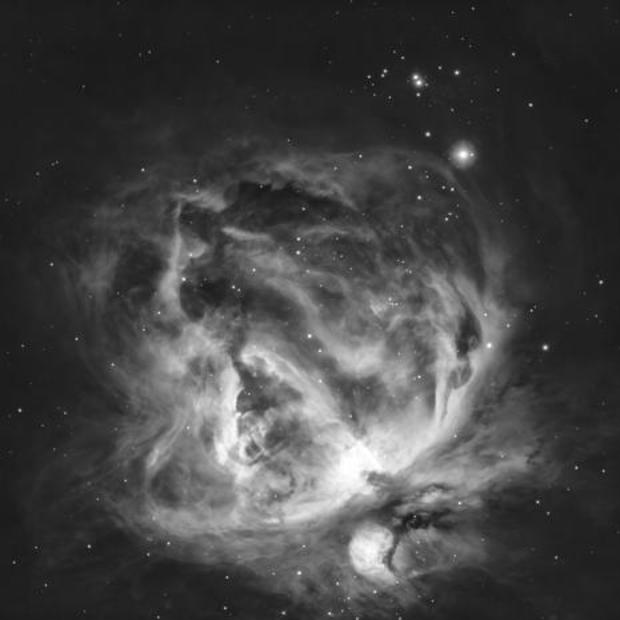
A High Dynamic Range (HDR) compilation of the hydrogen alpha emission from Messier 42, a.k.a. the Orion Nebula.
City of Rocks
Karl Beighley 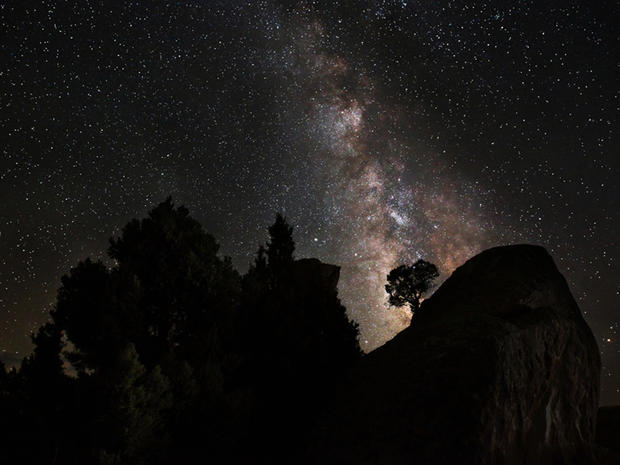
Karl Beighley’s view of City of Rocks National Reserve near the Idaho-Utah border.
Bridge
Kevin Acheson 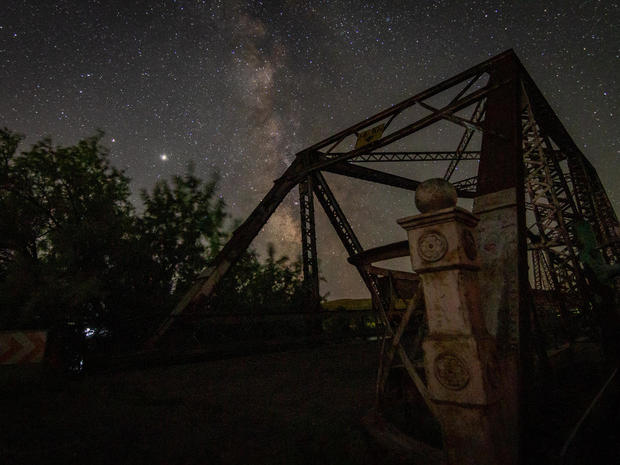
Owsley Bridge in Hagerman, Idaho, by Kevin Acheson (mymindseyefotog.com).
False Daylight
Kevin Acheson 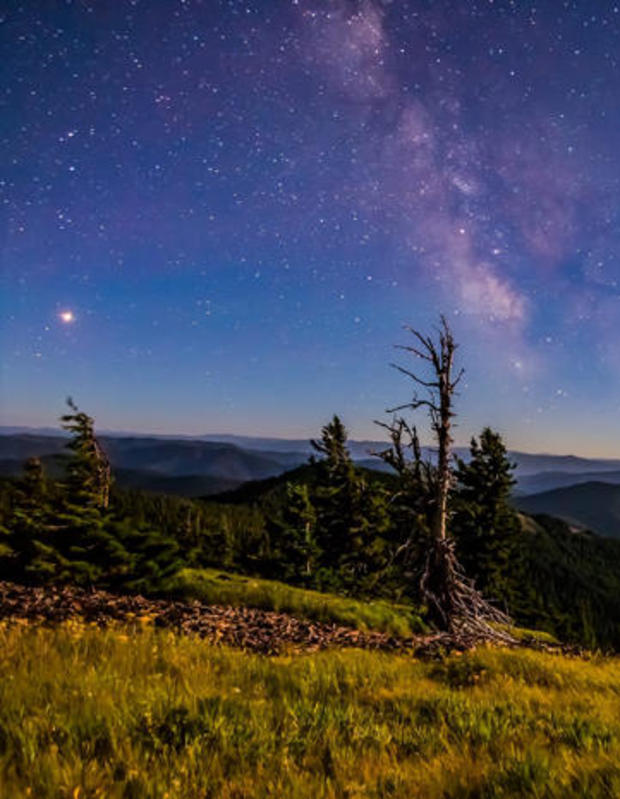
A night view in Northern Idaho, southeast of Kellogg.
Milky Way
Kevin Acheson 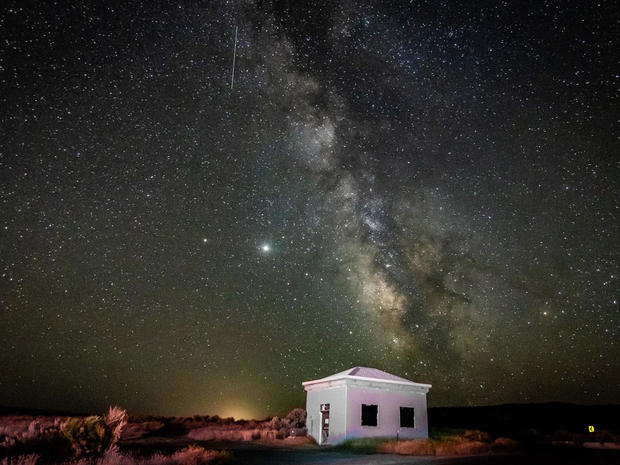
A nighttime view taken at Salmon Falls Reservoir in Idaho.
Sunflowers
Kim Starkey 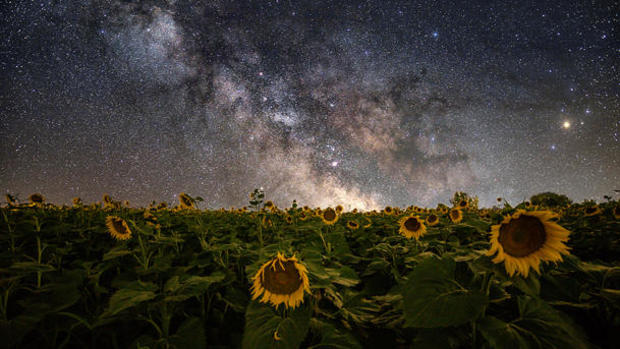
A composite image by photographer Kim Starkey (kimstarkey.com).
Touchdown
Kim Starkey 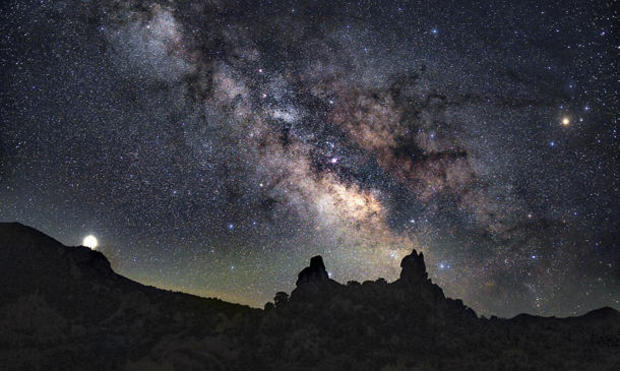
The Milky Way.
Lunar Shadow
Jordan Ragsdale 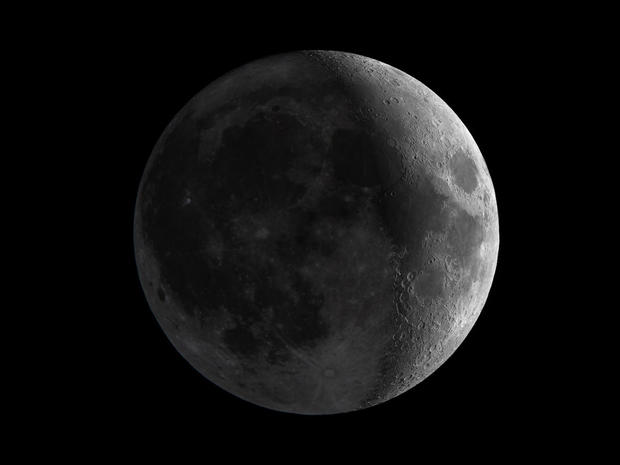
An image of the Moon by Jordan Ragsdale.
Reflection Nebula
Jordan Ragsdale 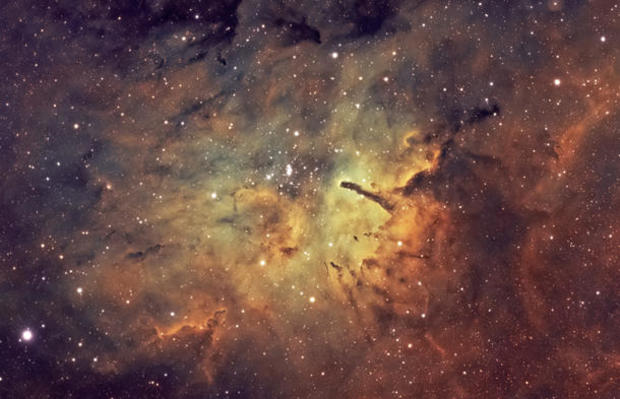
NGC 6820 resides in the constellation Vulpecula near a star cluster.
Dumbbell Nebula
Jordan Ragsdale 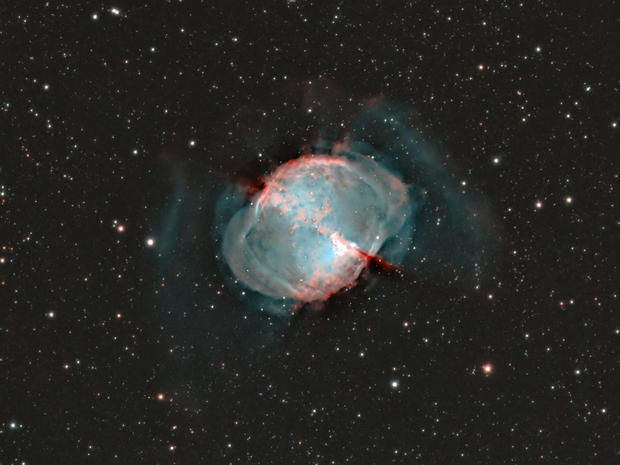
Dumbbell Nebula (Messier 27) in the constellation Vulpecula.
Seagull Nebula
Jordan Ragsdale 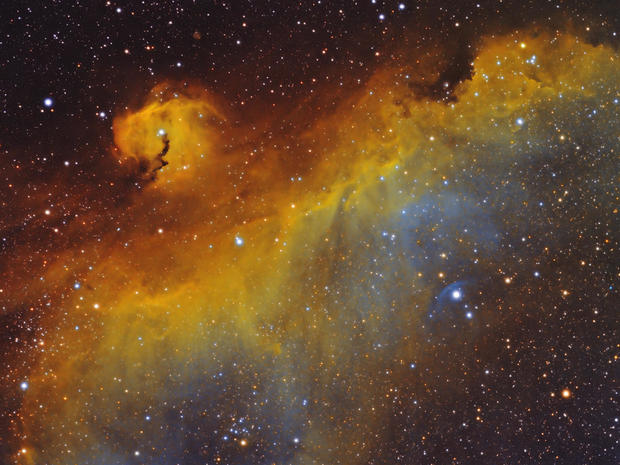
The Seagull Nebula (IC 2177).
Solar Flare
Jordan Ragsdale 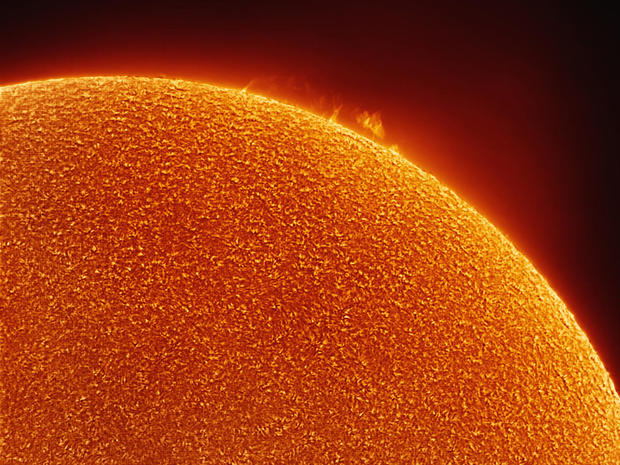
A closeup of the sun by Jordan Ragsdale.
Nebulae
Tim Damon 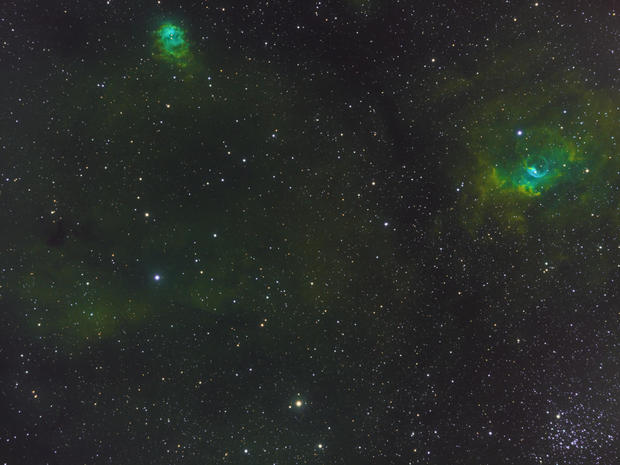
This false-color image, shot by Tim Damon through narrowband filters, depicts two nebulae: the ordinarily red Bubble Nebula (NGC7635), in the constellation Cassiopeia; and the Northern Lagoon Nebula (NGC7538), in the constellation Cepheus.
Moon
Ryan Hass 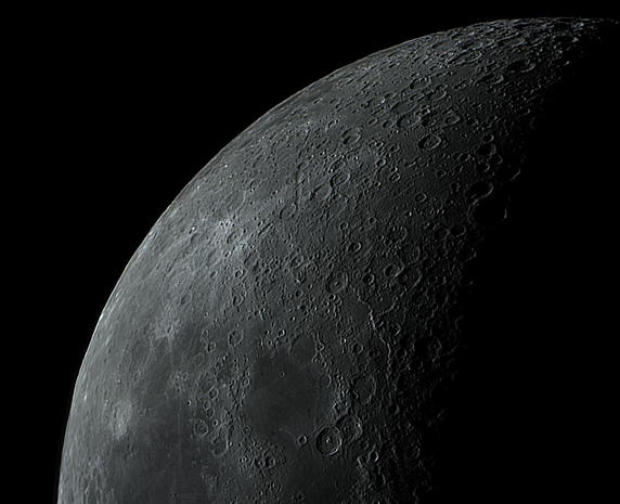
A view of the Earth’s closest celestial neighbor, by Ryan Hass.
Andromeda
Tim Frazier 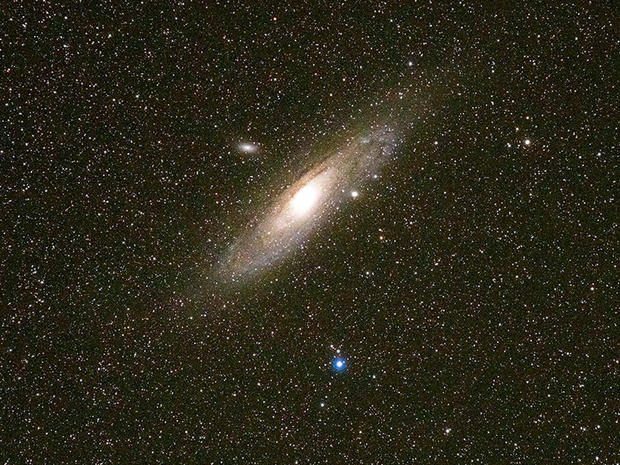
Retired Idaho photography professor Tim Frazier has always had a passion for astronomy. He captured the Andromeda galaxy (Messier 31), 2.5 million light-years from Earth.
“We have very clear air, and relatively stable air,” Frazier said of the Idaho skies. “And that makes the viewing just particularly wonderful, because the stars can be so sharp and clear.”
Tadpole Nebula
Joshua Perkins 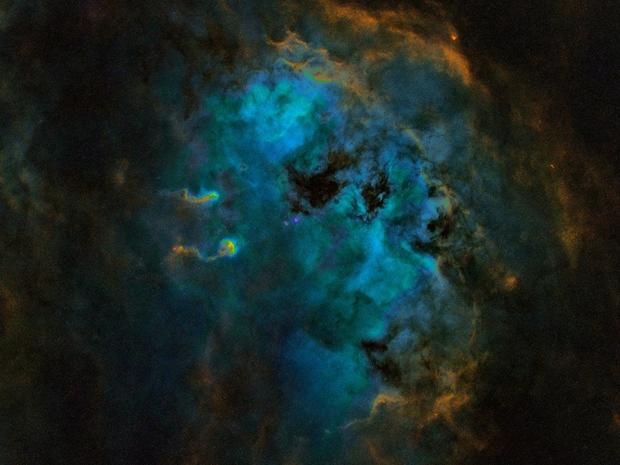
Joshua Perkins captured the Tadpole Nebula (IC 410) from his backyard in Kuna, Idaho.
Lagoon Nebula
Joshua Perkins 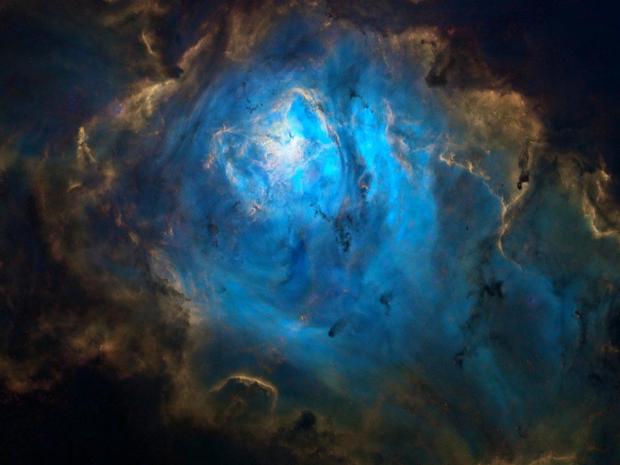
The Lagoon Nebula, an interstellar cloud found in the constellation Sagittarius.
Pelican Nebula
Joshua Perkins 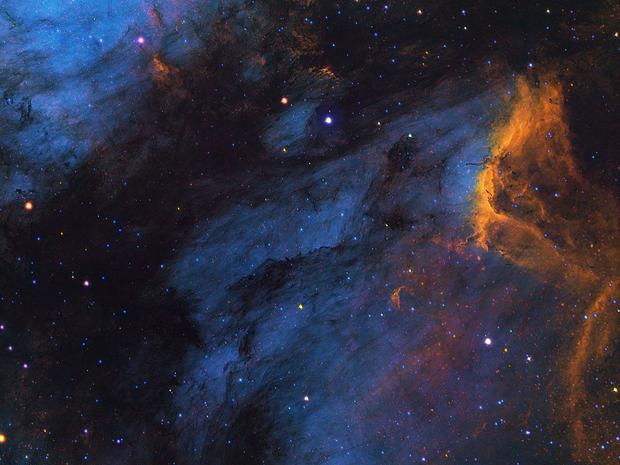
Another view of the Pelican Nebula.
Panorama
Matt Dieterich 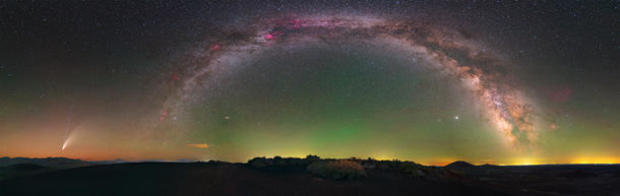
A panoramic view of the Milky Way and, at left, Comet Neowise by Matt Dieterich. He was recently named a National Park Artist-in-Residence at Craters of the Moon National Monument, just one of the many places around the world where he offers photography workshops.
Milky Way
Wayne Sheridan 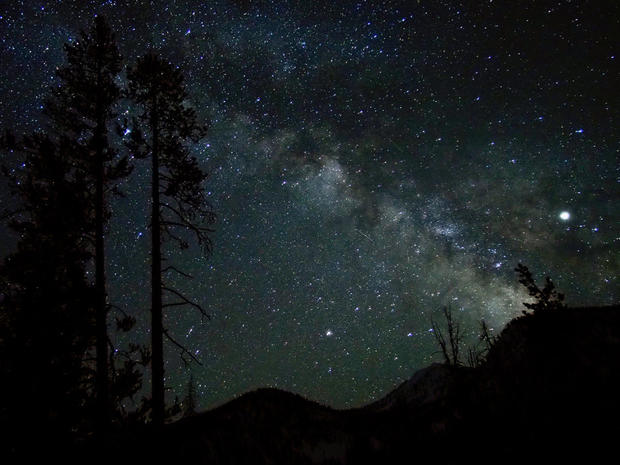
Wayne Sheridan, a retired scientist and lifelong amateur photographer in St. Charles, Mo., took this image of the night sky in Stanley, Idaho. “I have traveled the U.S. looking for places to see the Milky Way, but this is the best experience I have had,” he wrote. The bright spot on the right is Jupiter.
For more info:
Central Idaho Dark Sky Reserve
International Dark Sky Association
Idaho Astro (Facebook)
By CBSNews.com senior producer David Morgan