

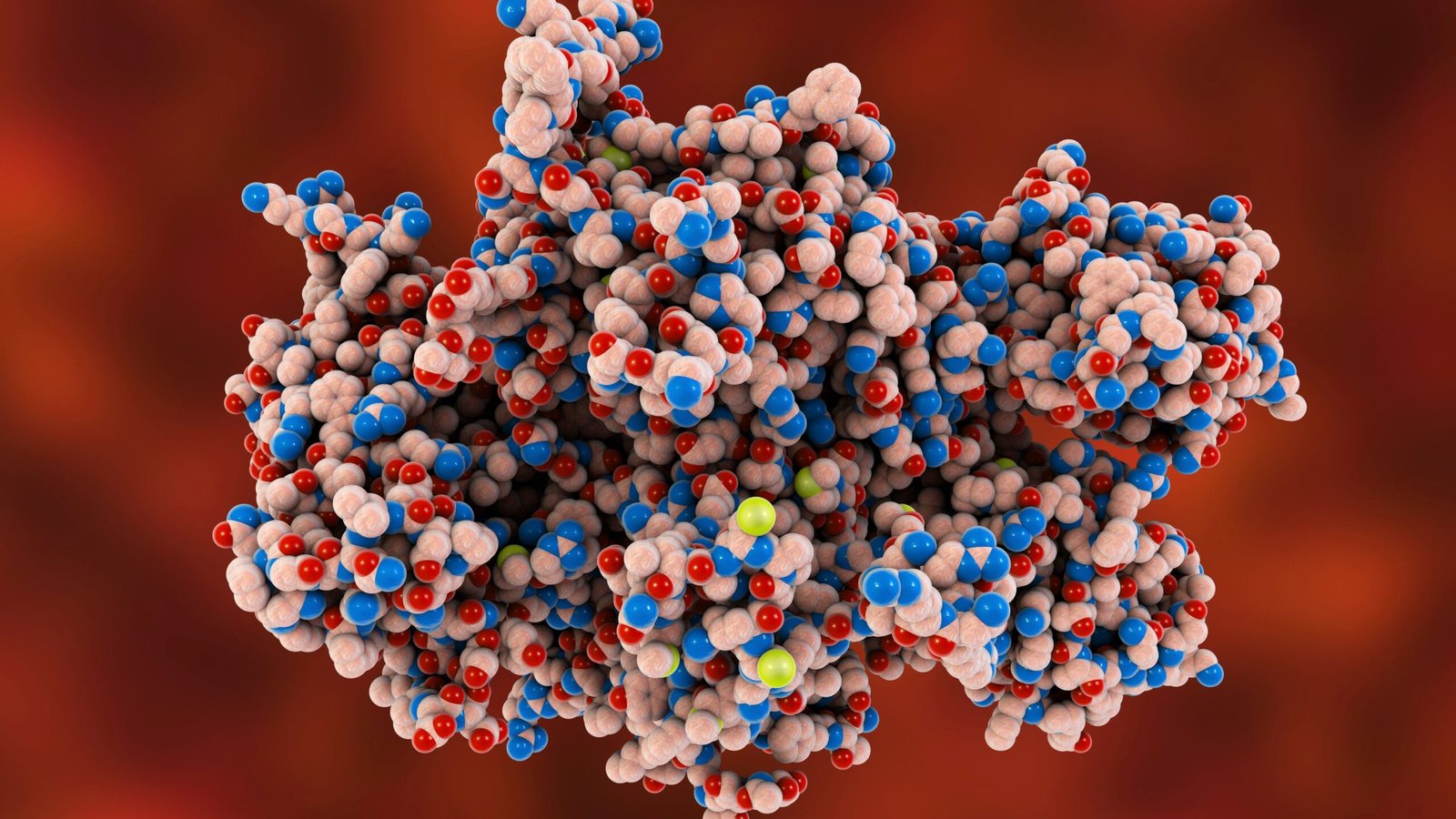
Denecimig, also called Mim8, is a fully human bispecific IgG4 antibody that mimics activated factor VIII by bridging factor IXa and factor X. Ex vivo, it has shown potency about 15 times greater than emicizumab. The every-2-week (Q2W) schedule, which many patients already know from emicizumab, had not been reported until now.1
The analysis covered 37 males aged 12 years and older who rolled over from the phase 2 FRONTIER1 extension. All had factor VIII activity below 1%, and 4 (11%) had inhibitors. They had been on denecimig for a mean of 1.73 years, most of them weekly. In FRONTIER4, they received weight-tiered subcutaneous maintenance doses, 9 mg for patients who weighed 15 to less than 45 kg and 20 mg for those weighing 45 kg or more, each in a 0.8-mL injection. All 37 completed 26 weeks.1
Safety was the primary end point. Investigators recorded 60 treatment-emergent adverse events in 20 patients (54.1%), 98.3% of them mild or moderate, and 75.0% judged unlikely to be related to the drug. The three serious events, in two patients, were an umbilical hernia and aggression with craniocerebral injury after an assault, none considered drug-related. No deaths or hypersensitivity reactions occurred.1
What about thrombosis? No thromboembolic events or thrombotic microangiopathy occurred, and there were no safety signals on D-dimer, prothrombin fragments 1 and 2, and fibrinogen. The authors noted that no patient received activated prothrombin complex concentrate, and that this is the setting where thrombotic events were reported with emicizumab.1
“I think regardless the same rules will need to be followed for denecimig and I suspect they will get the same type of boxed warning regarding that. Having said that, both rFVIIa [recombinant factor VIIa] and APCC [activated prothrombin complex concentrate] can be used to treat bleeds in inhibitor patients so long as the boxed warning is adhered to,” stated study team member Guy Young, MD, of Children’s Hospital Los Angeles, California, in written remarks to Heme Today.
Injection site reactions occurred in two patients (5.4%), 14 reactions over 484 injections (2.89%), and 13 of the 14 came from one patient. All were mild and none involved pain or burning. One patient had a single low-titer anti-denecimig antibody result with no effect on drug concentration or activity.1
Thirty-one patients (83.8%) had zero treated bleeds and 33 (89.2%) had zero treated spontaneous bleeds. The estimated ABR for treated bleeds was 0.38. Counting untreated bleeds, the ABR was 0.94, with 70.3% of patients bleed-free. Six patients accounted for seven treated bleeds, five of them in joints. The mean was 1.76 treated bleeds in the 12 months before entry, though FRONTIER1 used exploratory doses and the authors said the two periods cannot be compared directly.1
Does a 2-week interval hold exposure as steadily as the other schedules? The mean steady-state peak concentration was 5.0 μg/mL, and the trough was 4.8 μg/mL. The authors noted that this trough was comparable to FRONTIER2 values with weekly (4.0-4.1 μg/mL) and monthly (3.8-4.5 μg/mL) dosing.1
The bleed rates are in the same range as the phase 3 FRONTIER2 trial of weekly and monthly dosing. Weekly dosing produced an estimated average annualized treated-bleed rate of 0.57 and monthly dosing 0.20 in patients who came in on on-demand treatment, while those who stayed on demand had a rate of 15.76.²
There was no control arm; everyone came from an earlier denecimig study, which raises the possibility of responder bias, and the cohort included only two adolescents and four patients with inhibitors. Arm 2 of FRONTIER4 is enrolling children, females, and more patients on inhibitors from the other FRONTIER studies, and part 2 lets patients choose weekly, Q2W, or monthly dosing.1
“The paper names the limits itself: every patient came from FRONTIER1, they had been on denecimig for an average of 1.7 years, and there was no control arm. I think this does matter and is similar to the results for long-term use of emicizumab from the HAVEN 1-4 long-term data study by Callaghan et al. So, yes, it is meaningful in the sense that the longer you stay on denecimig (as it was for emicizumab), the bleed rates tend to keep going down,” Dr. Young wrote to Heme Today.
Clinical data are not what is holding up the US denecimig biologics license application for hemophilia A. Manufacturing-site remediation after a prelicense inspection has extended the FDA’s review, but the agency has flagged no efficacy or safety deficiencies. Novo Nordisk is aiming for a US launch in the first half of 2027.³ Moreover, a positive CHMP opinion on denecimig was issued on September 17.³
For now, the Q2W data come from a small, uncontrolled group, but on bleeds, drug levels, and safety, they match what weekly and monthly dosing have shown.












Leave a Reply