Organizations supporting Black women and girls across the American South can expect a bit more joy — and more money — this summer following a new round of grants.
The Southern Black Girls and Women’s Consortium will grant $350,000 to two dozen Southern community organizations working in thirteen states. The grants will fund organizations that address acute challenges facing underserved Black women and girls, like maternal health, gender-based violence prevention and educational support.
The funding and tour come at a moment when organizations focused on supporting underserved communities face funding crunches following the Trump administration’s crackdown on diversity, equity and inclusion policies.
The administration has invoked civil rights laws traditionally understood to have protected the rights of marginalized communities to investigate or prosecute instances of “anti-white racism” and “illegal DEI” in companies, non-profits and government agencies.
“We’ve seen this retrenchment in philanthropy, and people are not putting resources on the ground,” said Chanceé Lundy, Southern Black Girls’ executive director. “Organizations are struggling, and we want to make sure that people know that we see them. We value the work that we’re doing, and we want to be able to help fill some of the gaps that they are experiencing.”
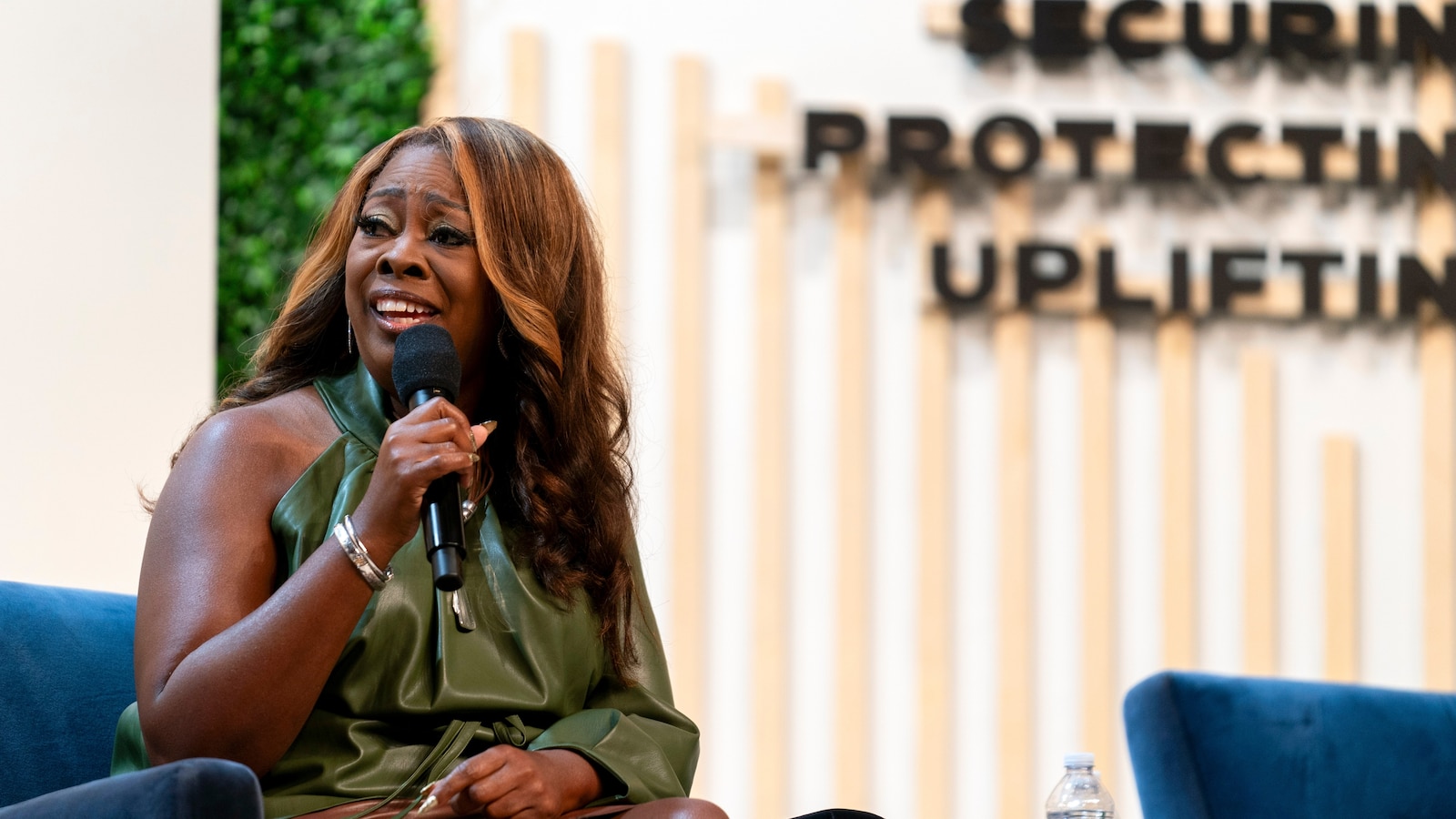
The grants coincide with the organization’s summer “Joy and Justice” tour, which convenes community building activities, resource drives and festivals in nine cities. Most of the tour stops take place at schools and community centers in majority-Black neighborhoods. One rally will take place at the Virginia Capitol alongside agency leaders promoting diversity in the state’s government.
Southern Black Girls has maintained funding from some major corporations and foundations, though Lundy described the efforts to maintain those relationships as “extremely difficult” for most groups in the current political climate, where supporting race and gender conscious organizations may prompt backlash from the federal government.
“We’re being punished for who we are,” said LaTosha Brown, a voting rights activist and co-founder of the organization.
President Donald Trump defeated former Vice President Kamala Harris, the first Black woman presidential nominee of a major party. About 9 in 10 Black women backed Harris for the presidency, according to a survey of voters by AP VoteCast. Brown said that Black women’s longstanding participation in liberal politics made them a “target” in the current political climate.
“We have always been anchored, particularly in the social justice movements of this country, and I don’t think that that’s any different now. I think in many ways it has been exacerbated, just given the environment,” said Brown.
Both Brown and Lundy noted that Black women have always faced discrimination and marginalization in the South despite being integral to the region’s economy and culture. Lundy recalled stories of past generations of Black women who raised the children of white families that upheld Jim Crow policies that underfunded schools, restricted voting and enabled political violence against Black communities.
“You have to have a deep, deep sense of humanity to be able to do that,” said Lundy. She said that the tour was part of promoting Black women’s place in the country’s history and future as the U.S. prepares to celebrate its 250th anniversary. “We’ve kept our humanity intact through it all, and I think this moment requires that.”
Lundy said she hoped the tour and grants would enable Black girls to reach their full potential.
“You matter now in this moment,” Lundy said was her “joyful” message to young Black girls. “And you’re not a victim. You are actually the solution, that you are the antidote to what is happening right now.”